

















Why Security Knowledge Transfer Fails — and What to Design Instead
An organizational design report that reframes the security–DevOps problem from failed knowledge transfer to default design, interfaces, exception handling, and alignment.
Representative Foreword
The representative foreword of this blog: security now fails less at finding issues than at absorbing, sustaining, and acting on what has already been found.
This essay frames the entire site first. The posts on technical analysis, method, and governance all start from this same problem statement.

Detection, Method, Governance
An organizational design report that reframes the security–DevOps problem from failed knowledge transfer to default design, interfaces, exception handling, and alignment.
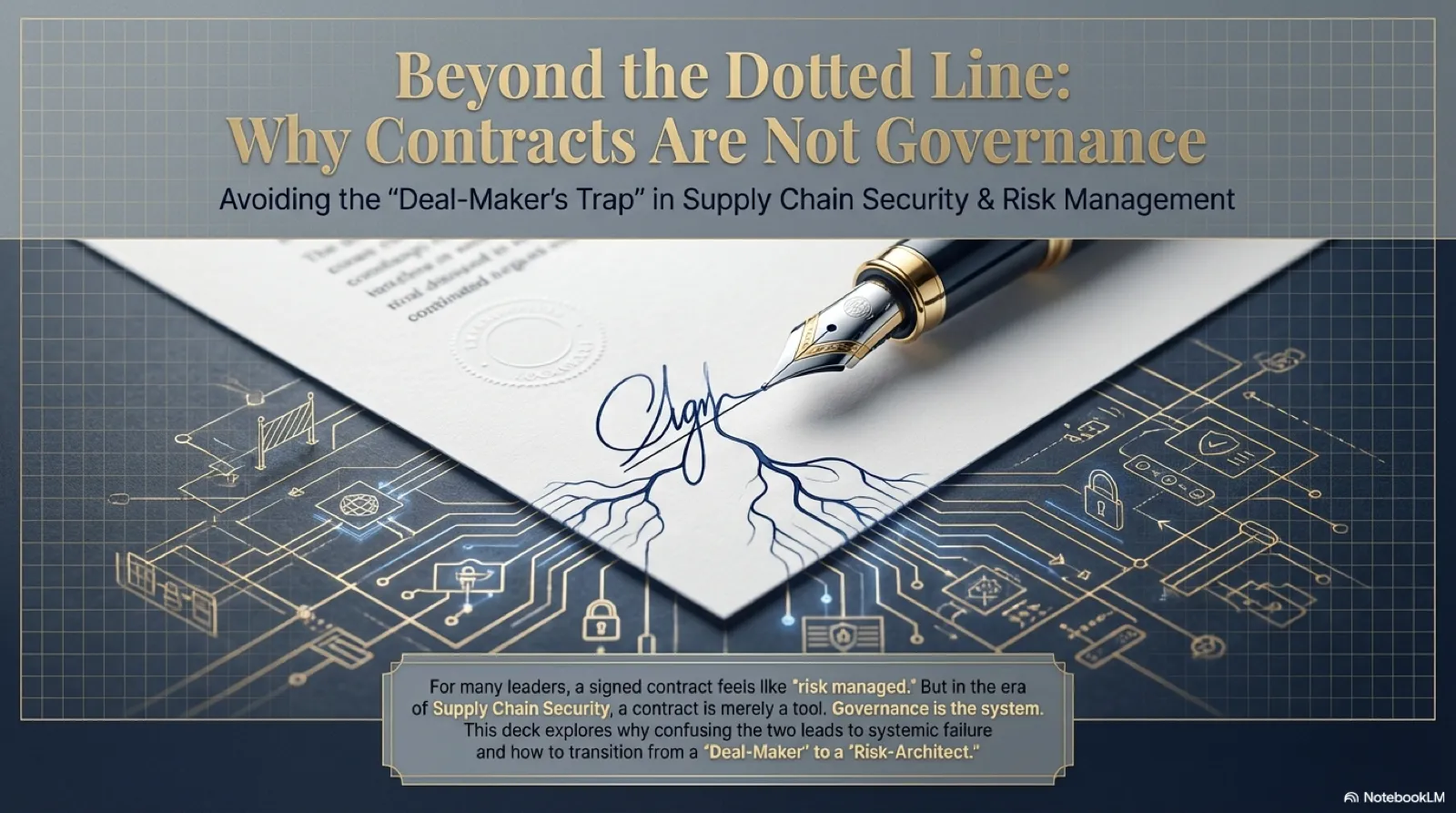
Why security governance must drive decisions before contracts enforce them—a structural reframing for security leadership.
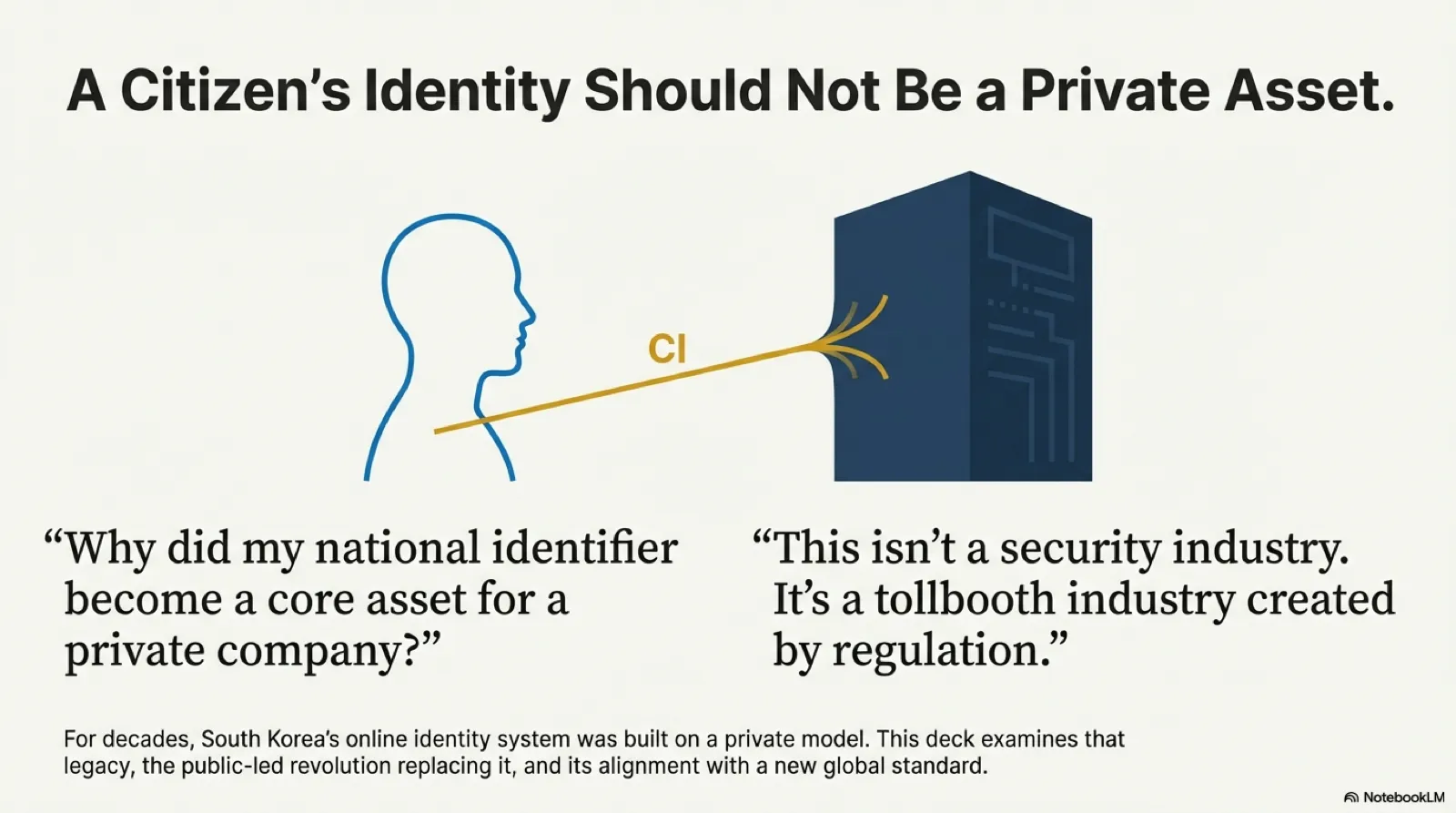
Comparative analysis of EU eIDAS 2.0 wallet-based identity and Korea’s mobile ID system across governance, privacy, and operations.
How transparent internal vulnerability visibility drives remediation through accountability and deterrence without formal punishment.
Why continuous attack surface management is critical in 2025, covering AI-driven discovery, shadow IT, and zero trust integration.
Analysis of the 2025 KakaoPay breach exposing 40M users’ data, and why formal consent fails without AI-based DPIA and civic oversight.
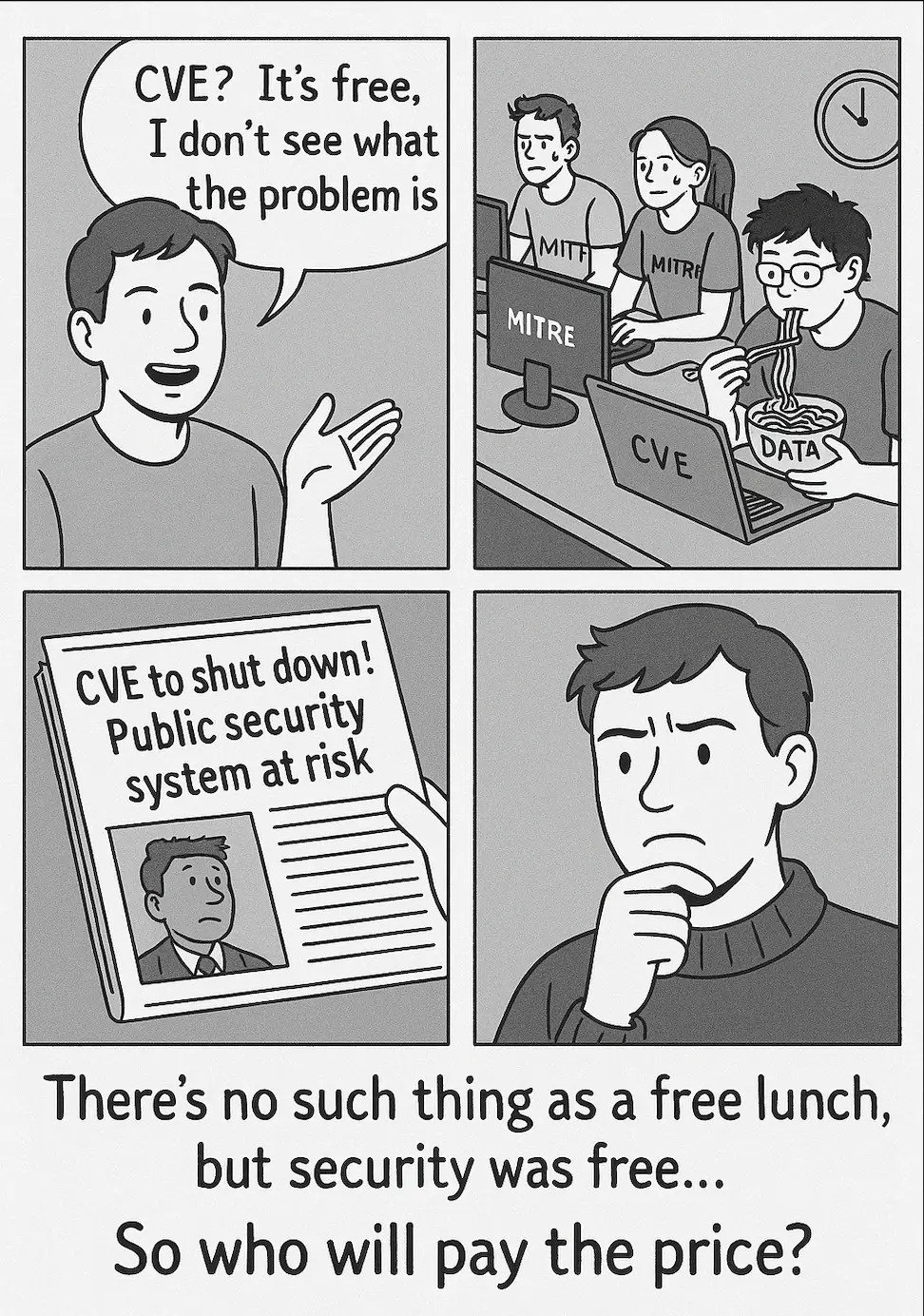
The CVE system nearly collapsed in 2025. Who should fund public cybersecurity infrastructure when free-riding is no longer sustainable?
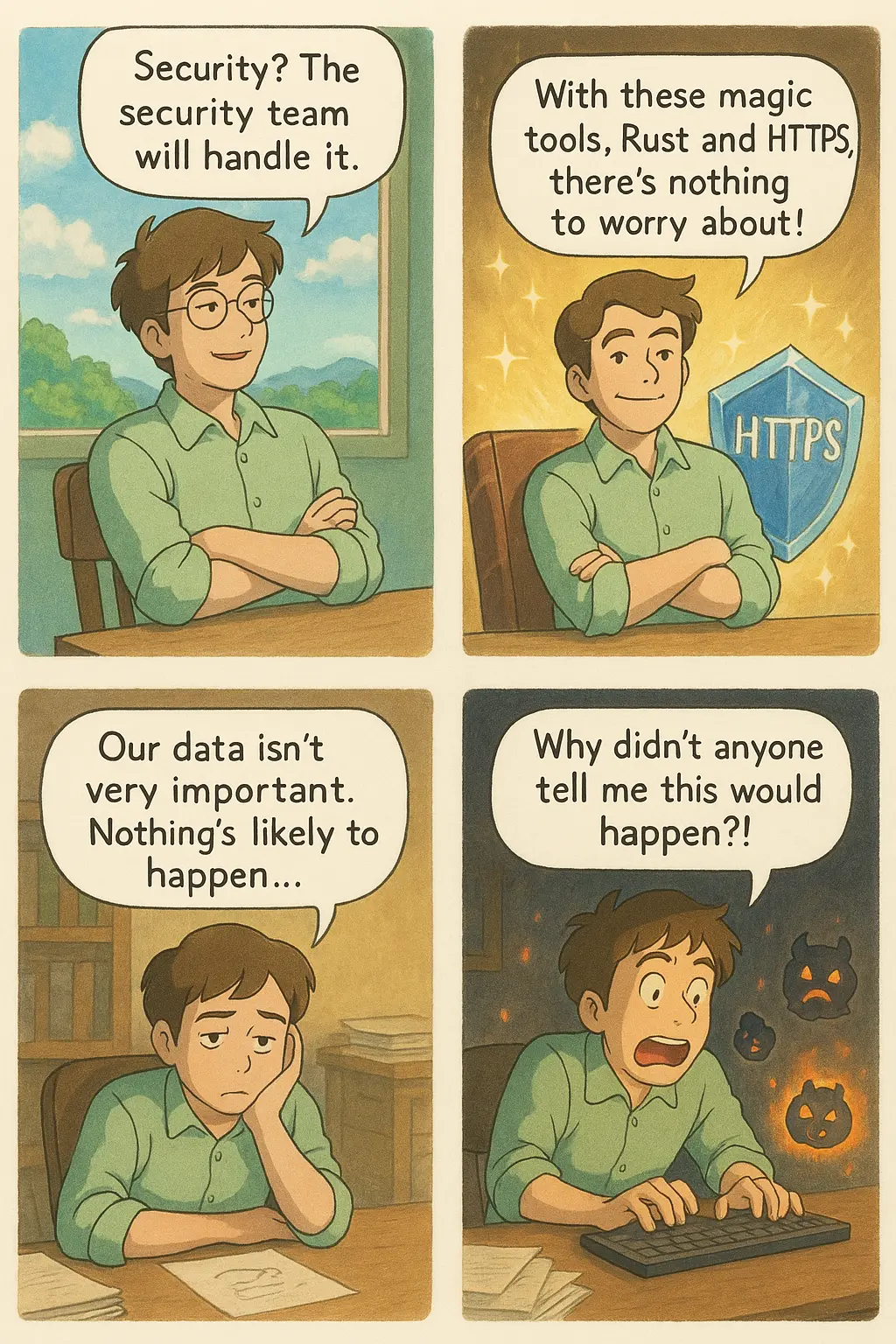
Debunking developer security myths around responsibility deflection, tech overconfidence, and risk underestimation with real-world examples.
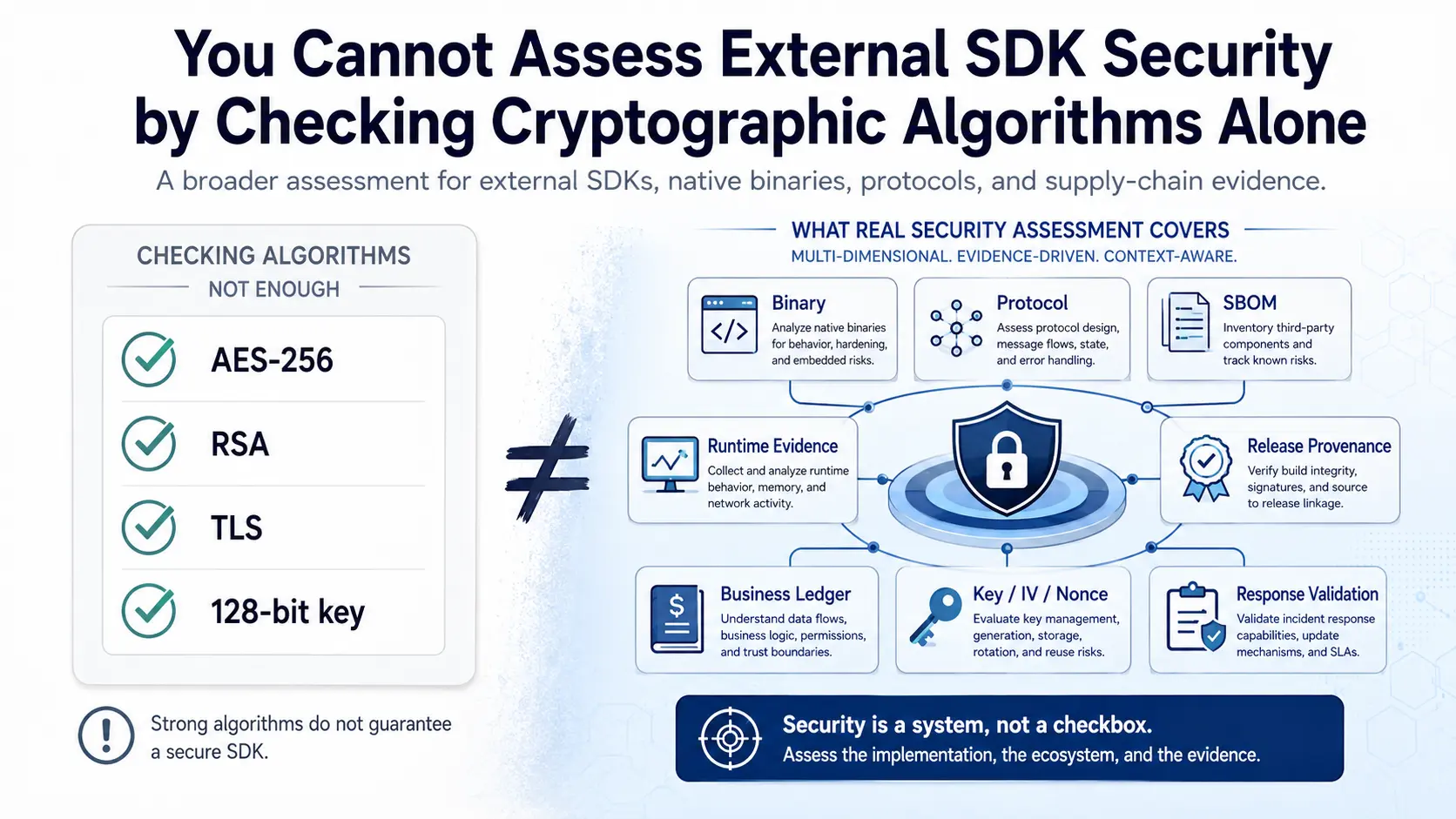
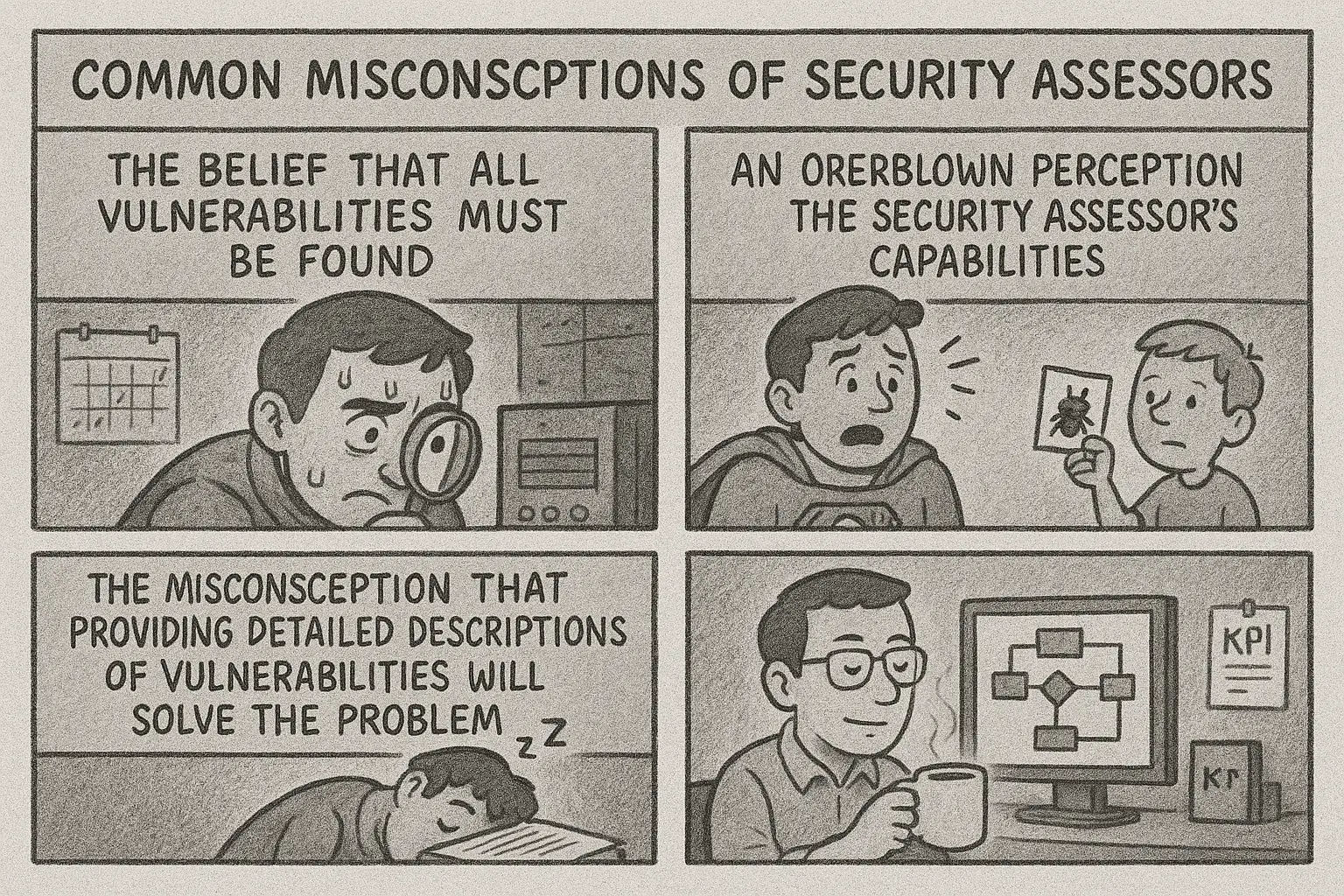
Three common misconceptions that weaken security assessments and strategies to build repeatable, effective vulnerability evaluation.