

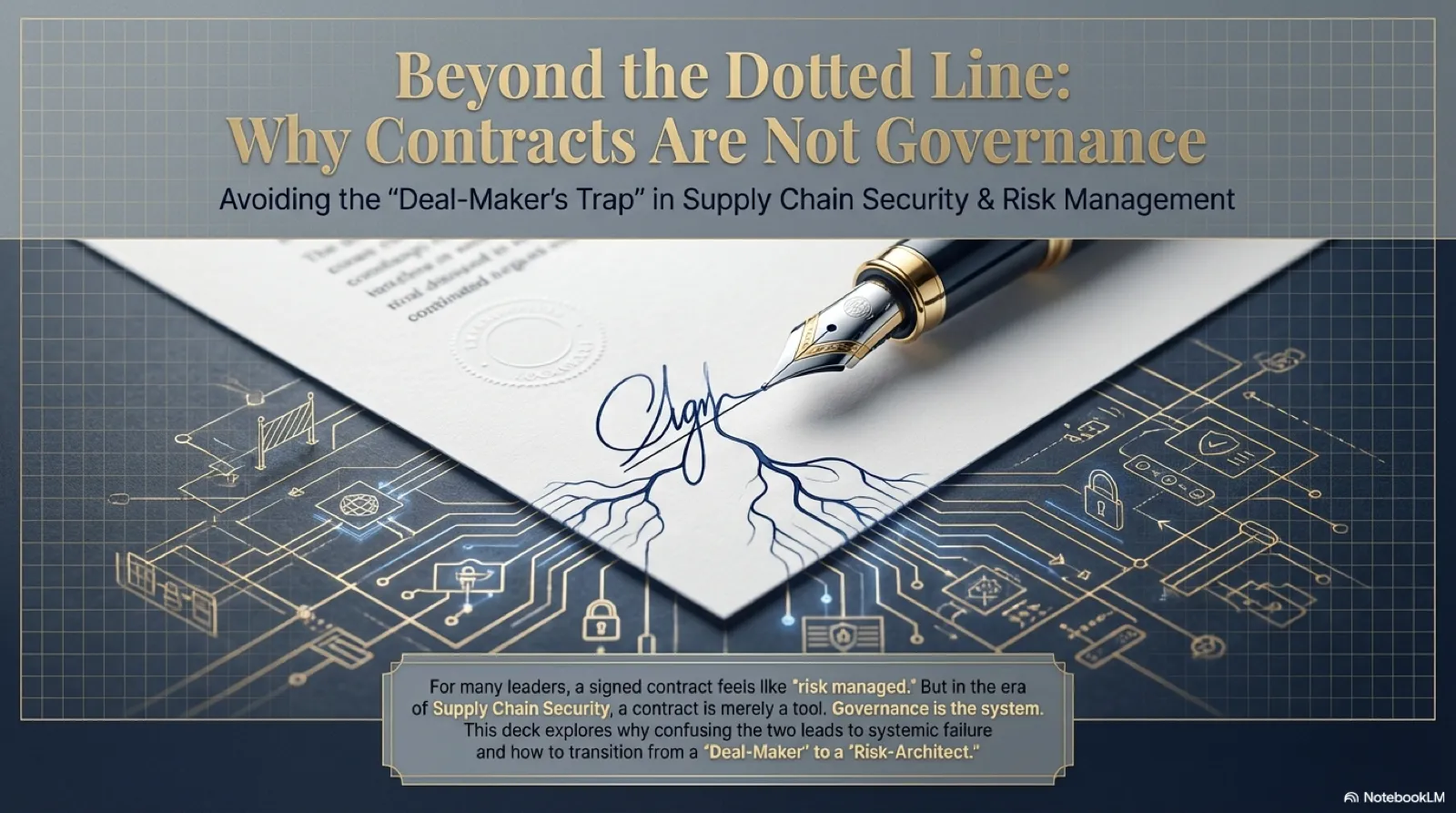

Contracts vs Security Governance — Contracts Enforce. Governance Decides.
Contracts enforce decisions. Governance makes the decisions worth enforcing—a structural reframing for contract-centric security leadership.
Contracts enforce decisions. Governance makes the decisions worth enforcing—a structural reframing for contract-centric security leadership.
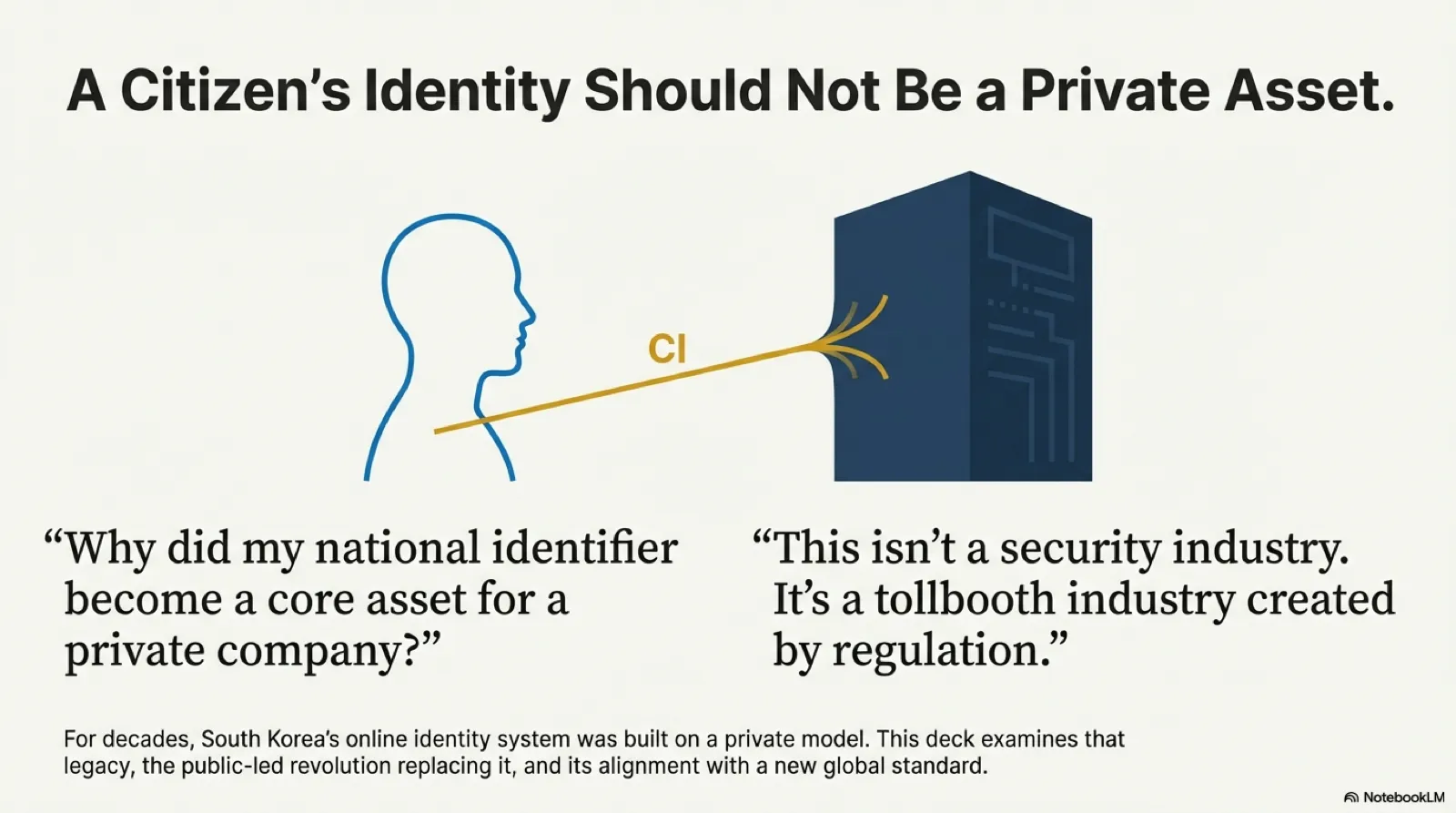
A governance, privacy, and operations comparison between the EU’s eIDAS 2.0 (EUDI Wallet) and Korea’s mobile ID plus private identity verification (CI/DI) ecosystem.
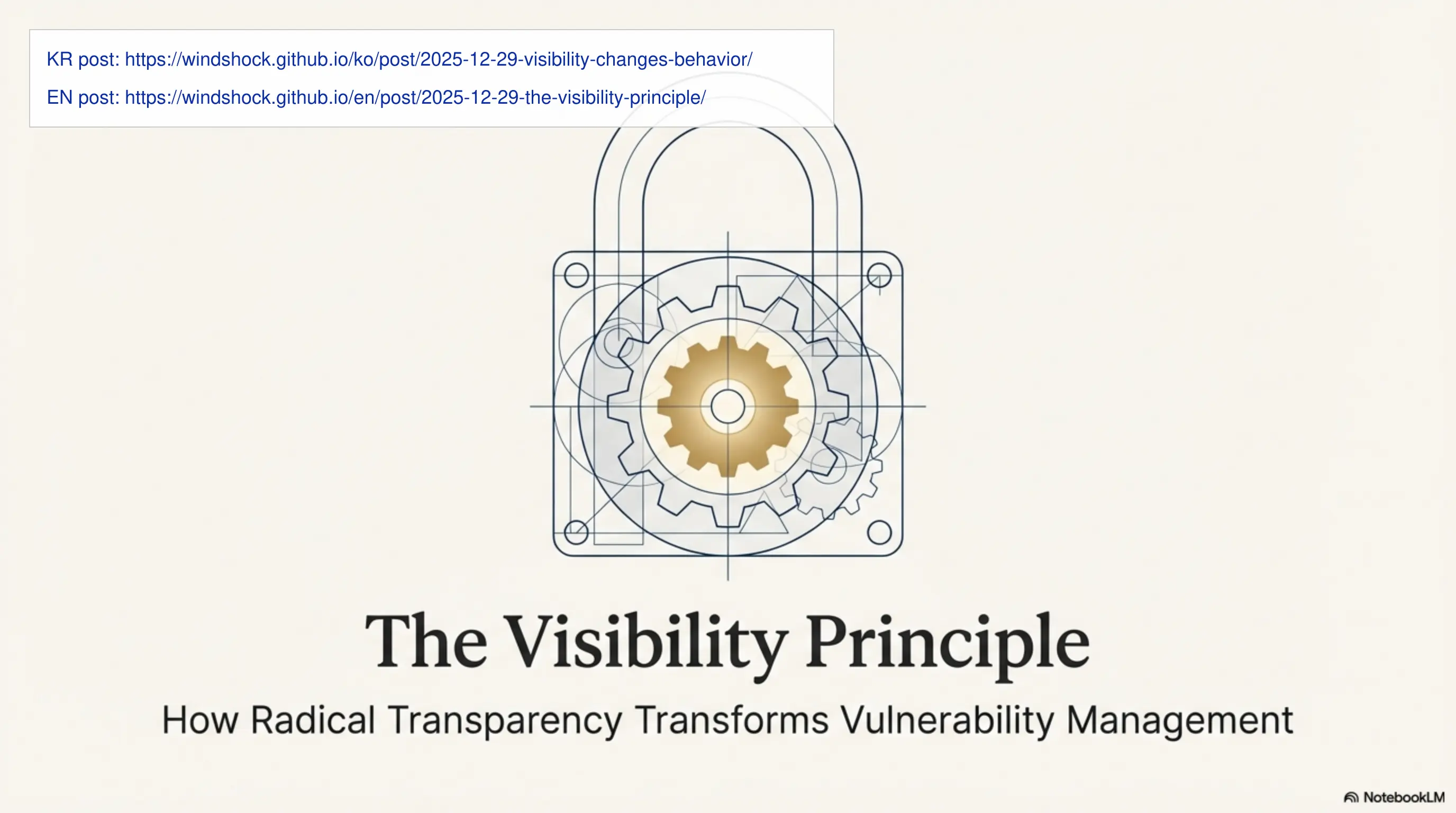
A practical, research-informed look at why transparent internal vulnerability visibility can increase remediation participation and improve patch outcomes—through accountability, perceived surveillance, and deterrence mechanisms.
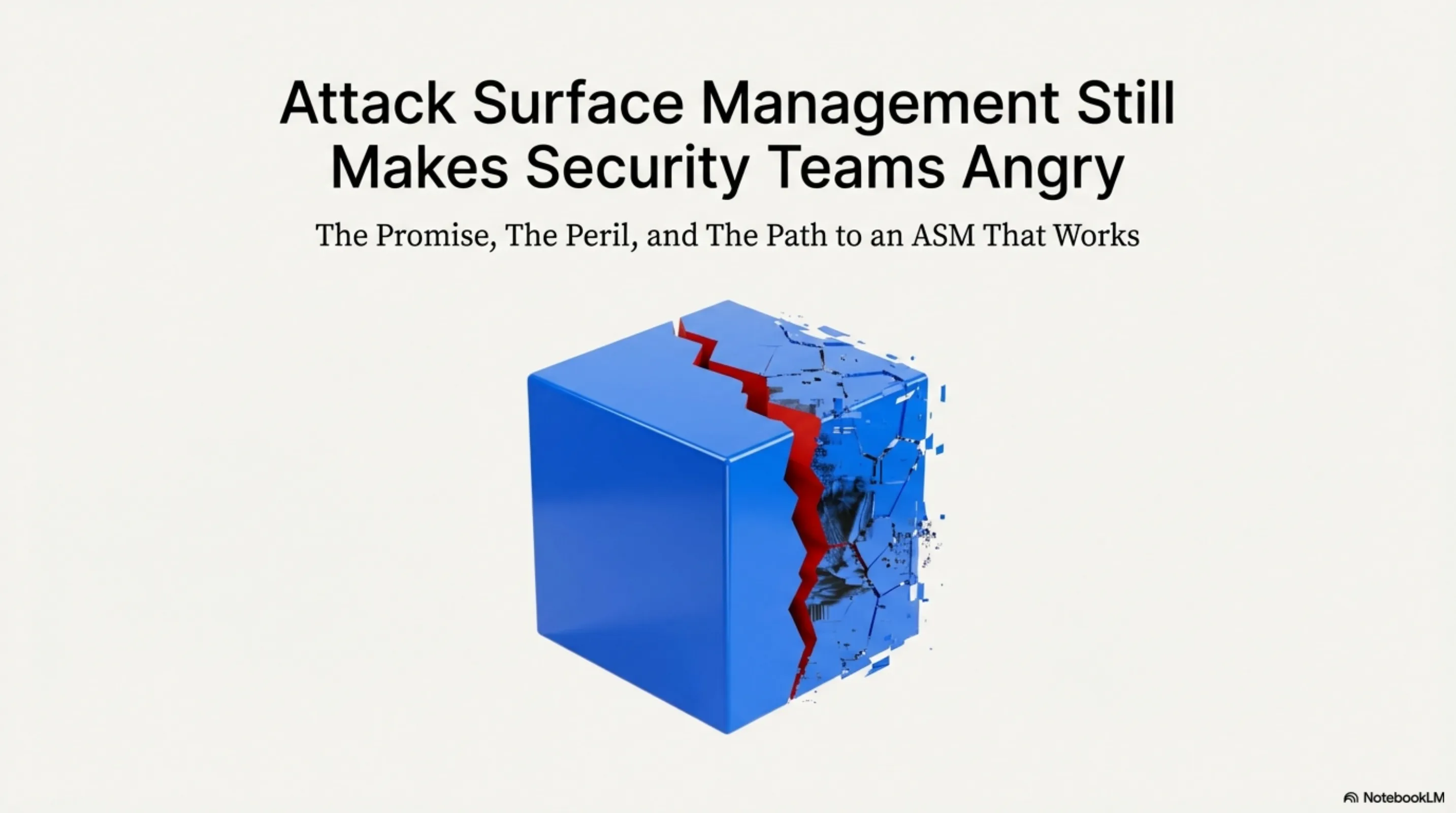
Why continuous visibility and attack surface management (ASM) are essential in 2025, with key trends, survey insights, and practical takeaways.
The 2025 KakaoPay case exposed the limits of formal consent and self-regulation. Data democracy must be achieved through AI-based DPIA verification and civic oversight.
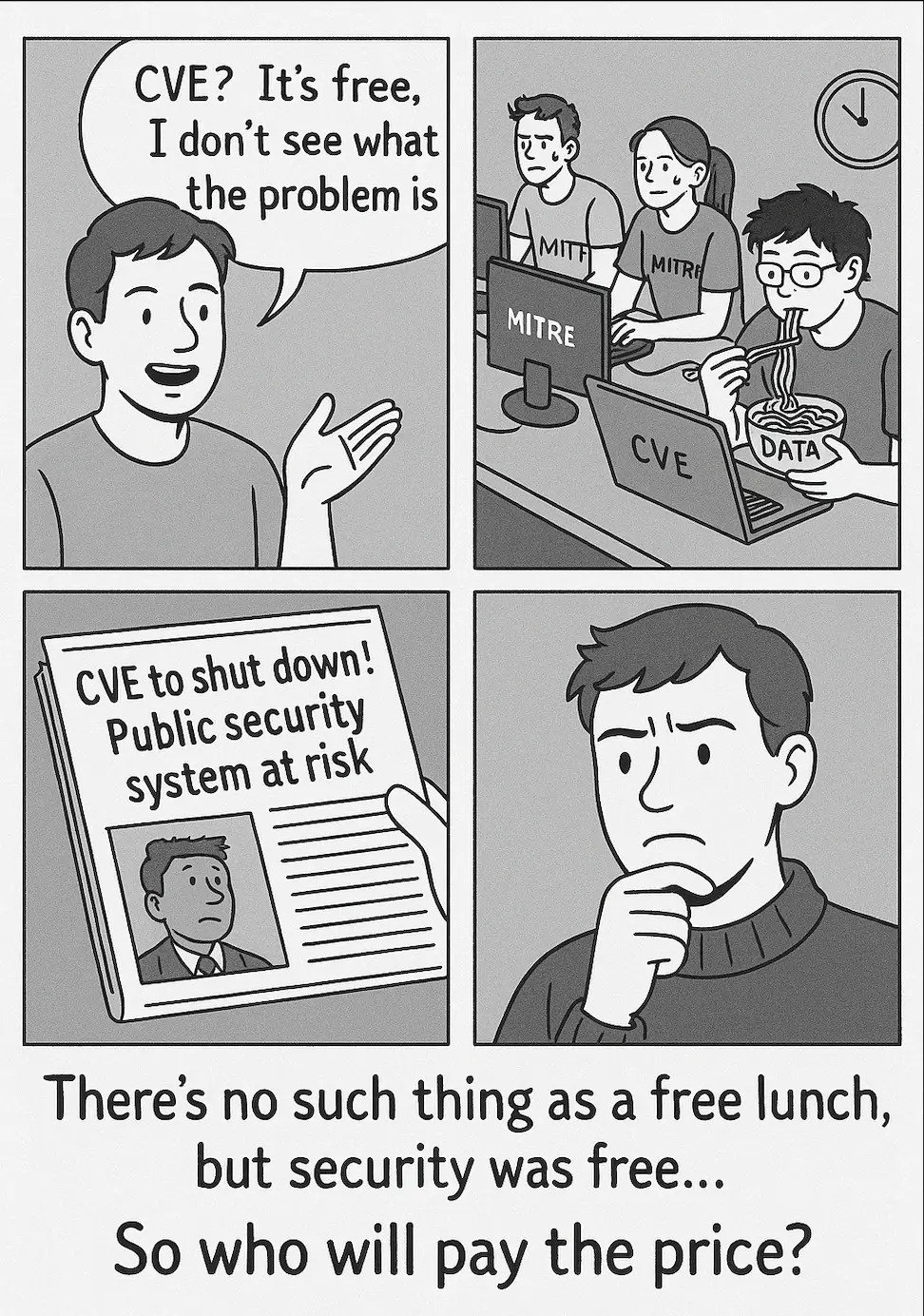
The global security community has depended on CVE for decades without ever paying a dime. As the system nears collapse, it’s time to ask who should bear the cost of public cybersecurity infrastructure.
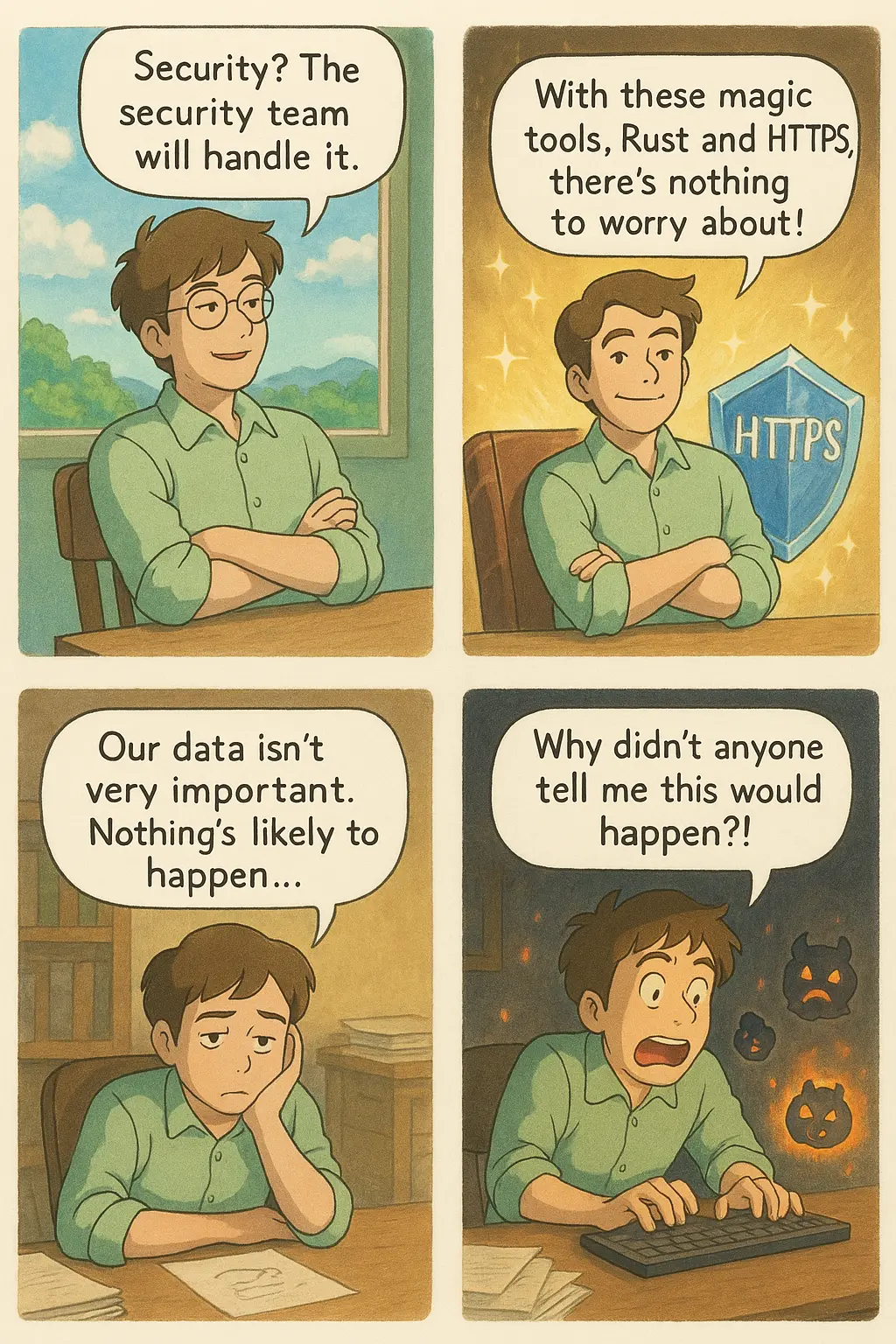
This article breaks down common developer security myths—responsibility deflection, overconfidence in technology, and security underestimation—and offers realistic countermeasures.
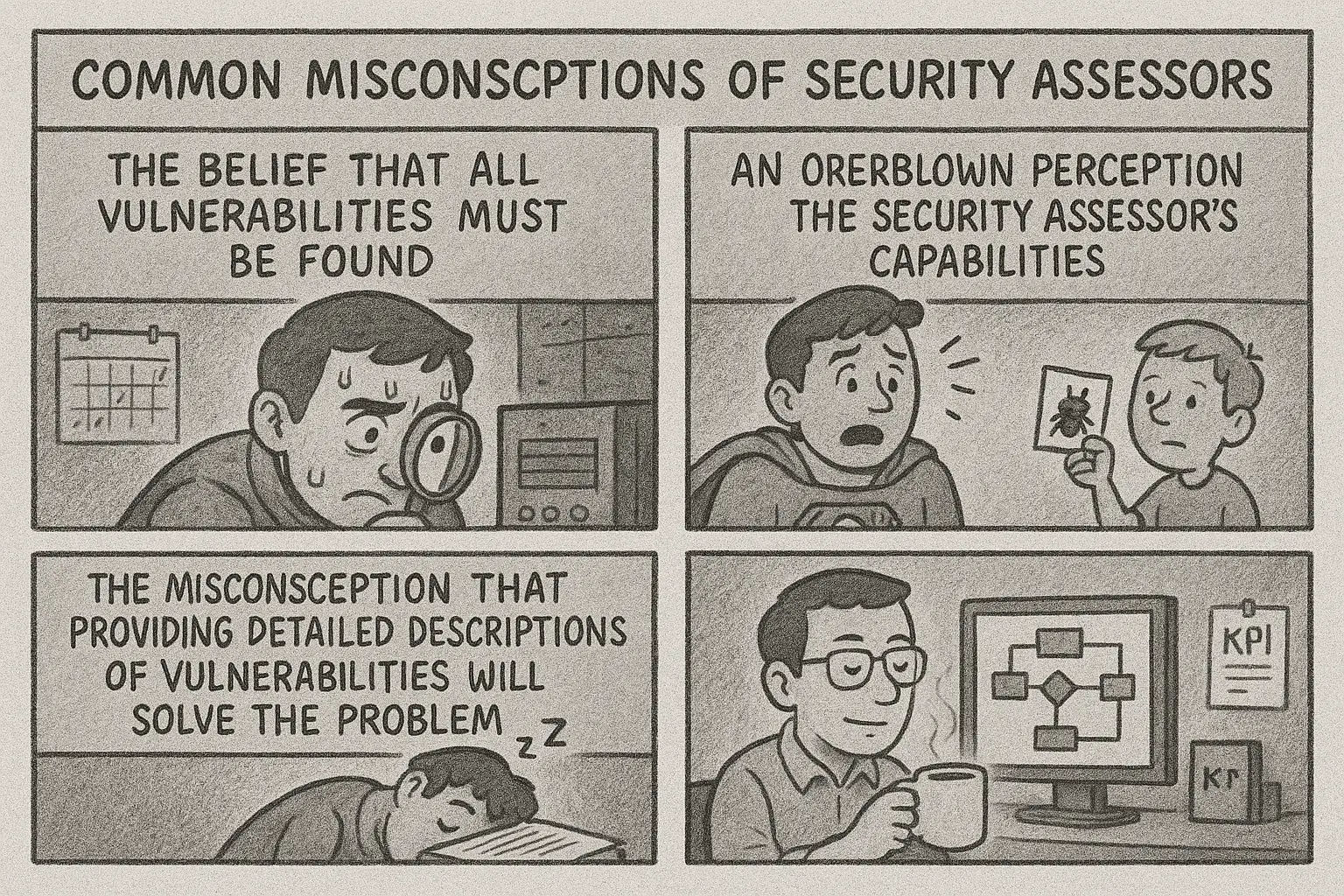
As the cybersecurity landscape constantly evolves, vulnerability assessment has become a critical defense against potential security breaches. However, due to common misconceptions, the effectiveness of these evaluations often diminishes. In this article, we will explore the common misconceptions about security vulnerability assessments and suggest effective strategies to overcome these issues, ultimately supporting the improvement of organizational security levels.