



Representative Foreword

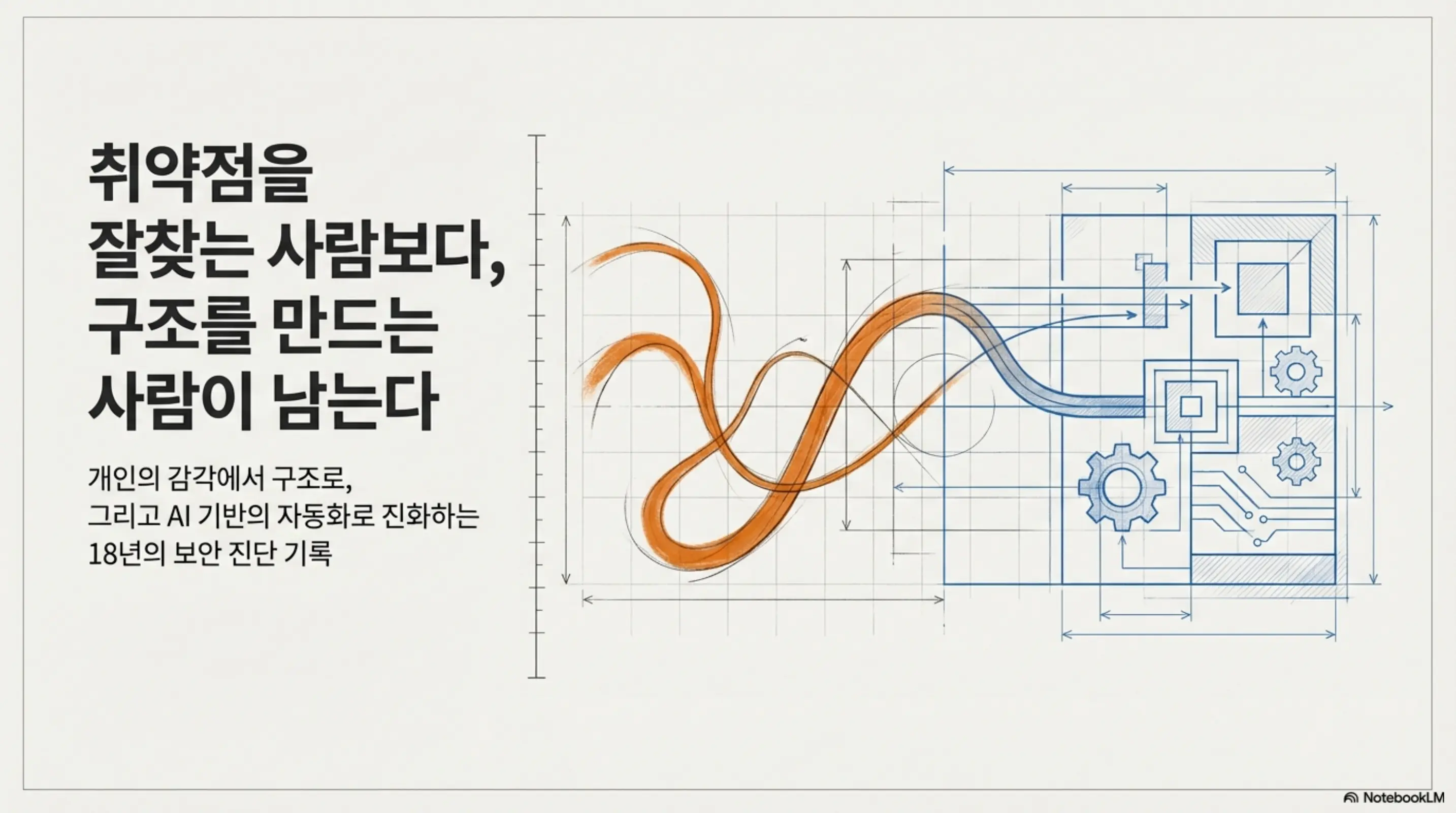
After the Code, the Structure Remains

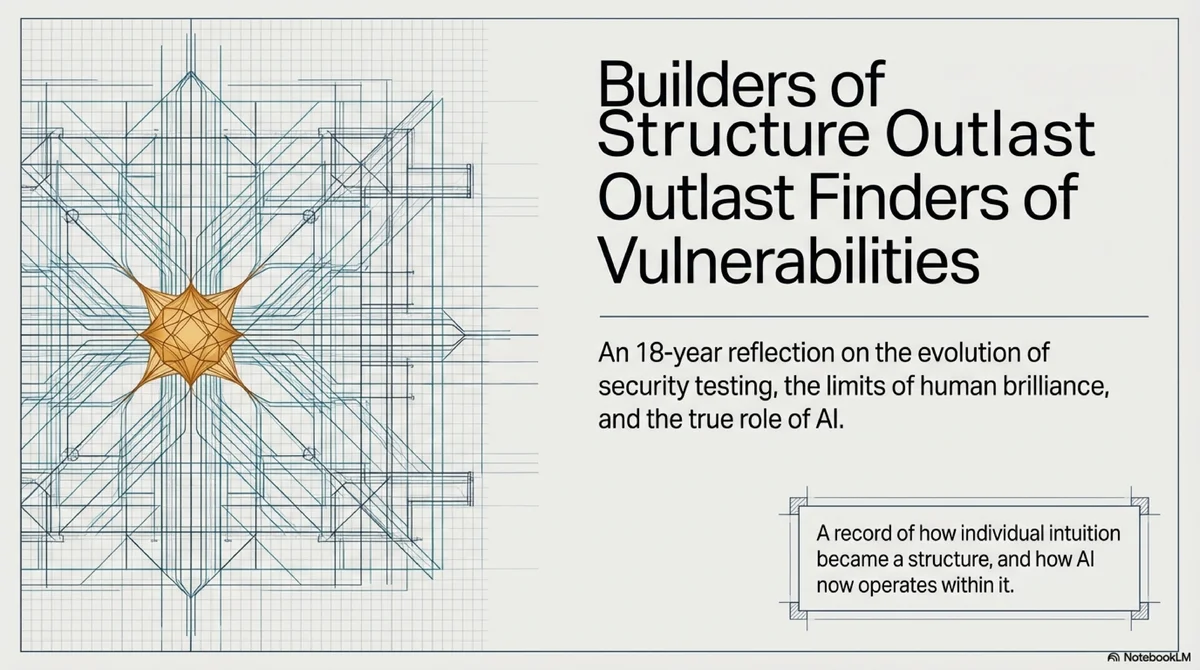
The representative foreword of this blog: security now fails less at finding issues than at absorbing, sustaining, and acting on what has already been found.

This essay frames the entire site first. The posts on technical analysis, method, and governance all start from this same problem statement.

After the Code, the Structure Remains

Detection, Method, Governance

🔥 A Mind That Dissects Systems

🔥 Trust and Culture Beyond Technology

🔥 Code That Fixes, Not Just Runs

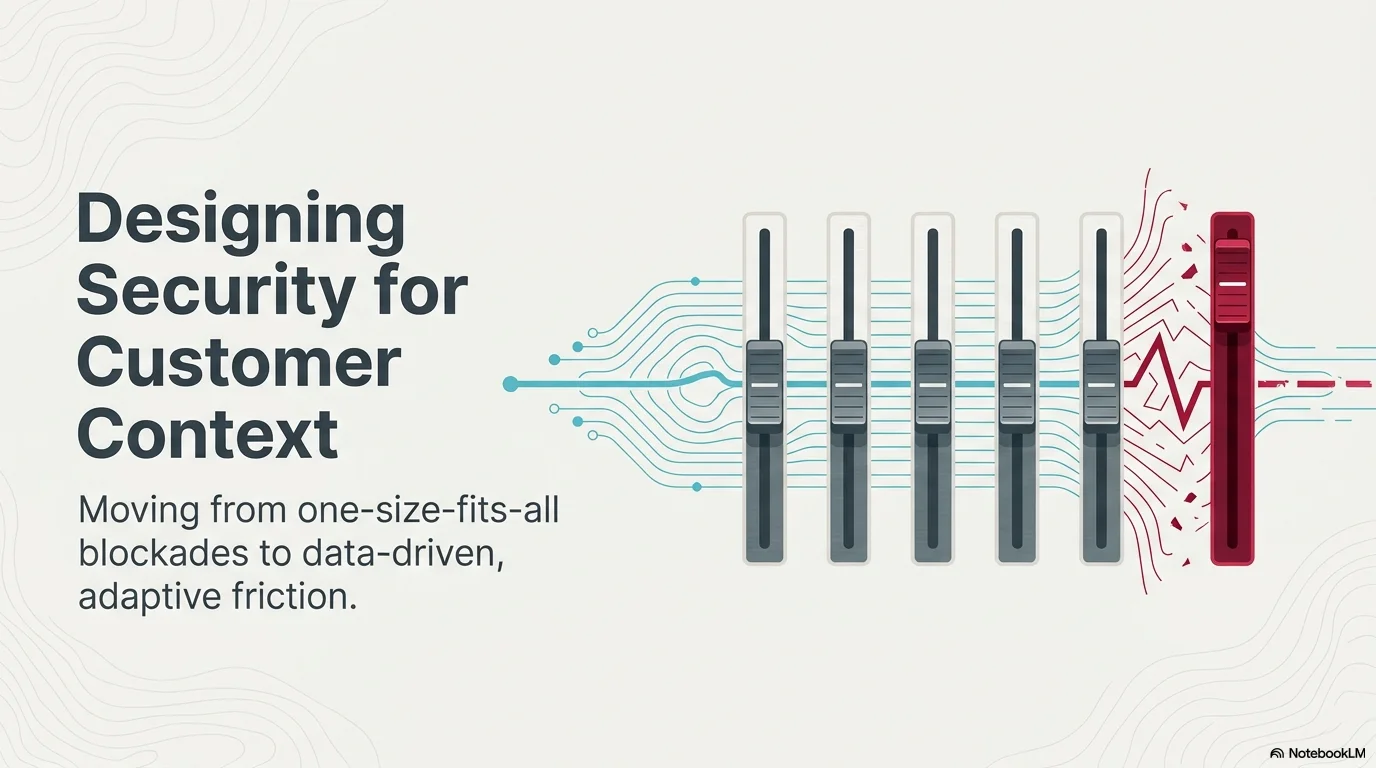
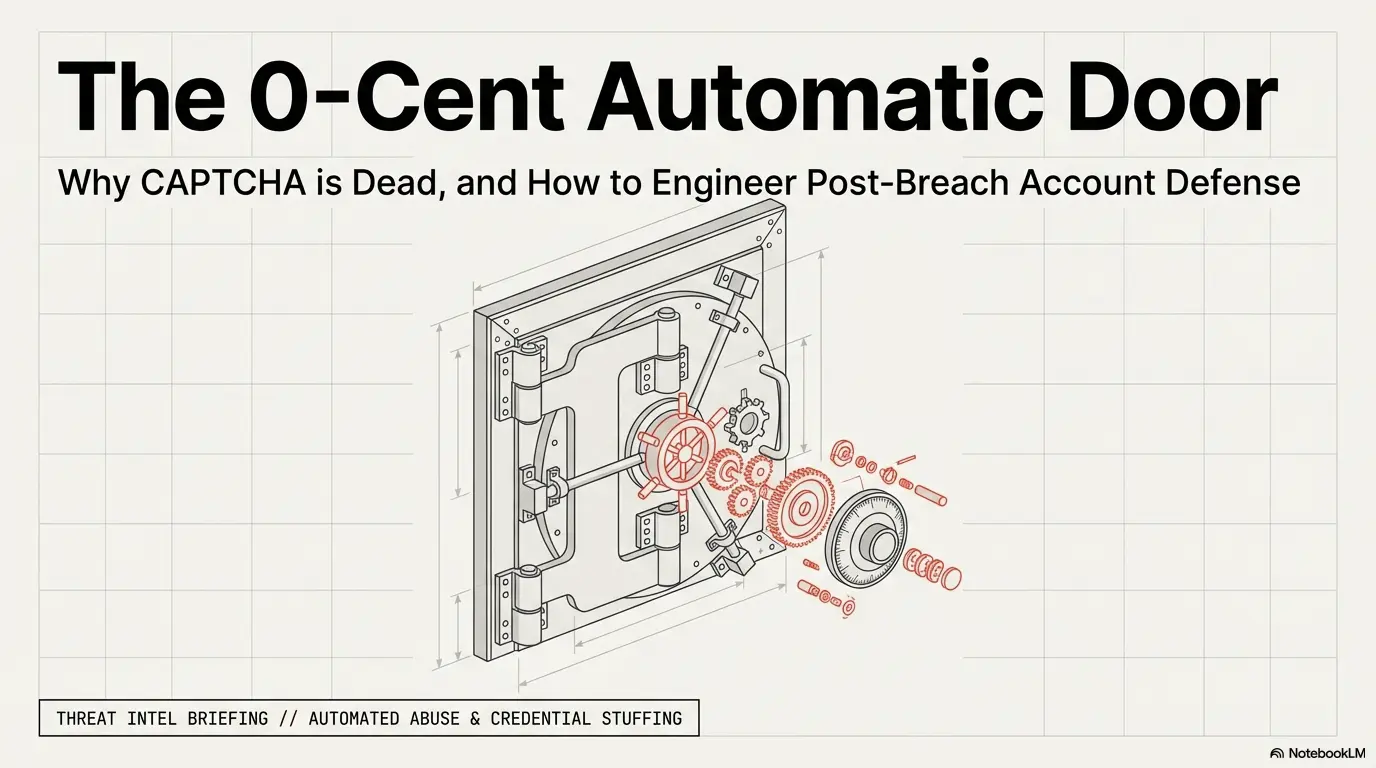
Security Controls Aren't Lacking — They're Inconvenient: Why Security Needs Customer Context

Security controls already exist. The real problem is that we cannot decide which customer, at which moment, deserves how much friction. As the closing chapter of the CAPTCHA·ATO series, this post is about moving from quantity of controls to context of controls — adaptive security as an operational discipline.

May 11, 2026 · 13 min · 2671 words

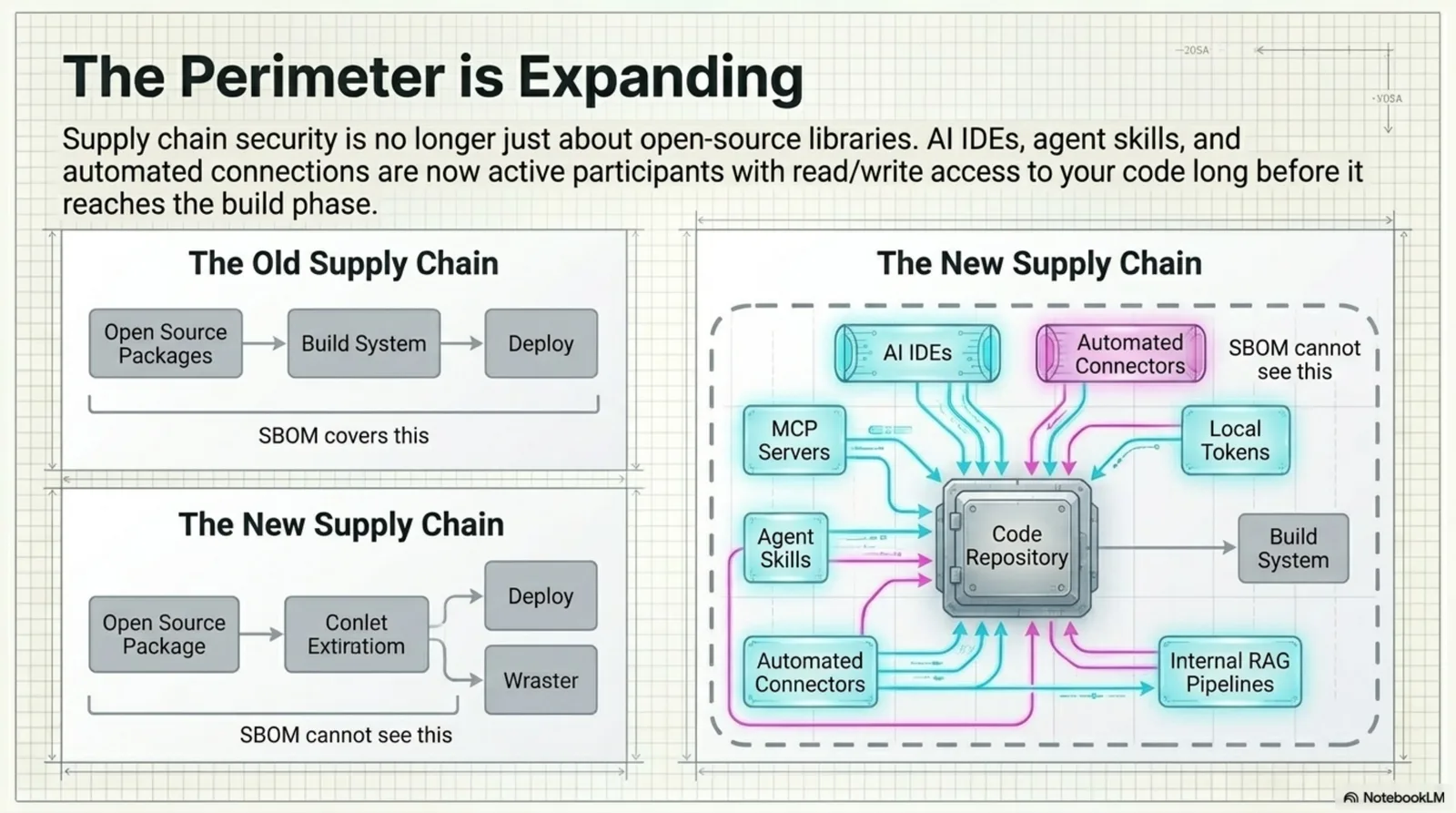
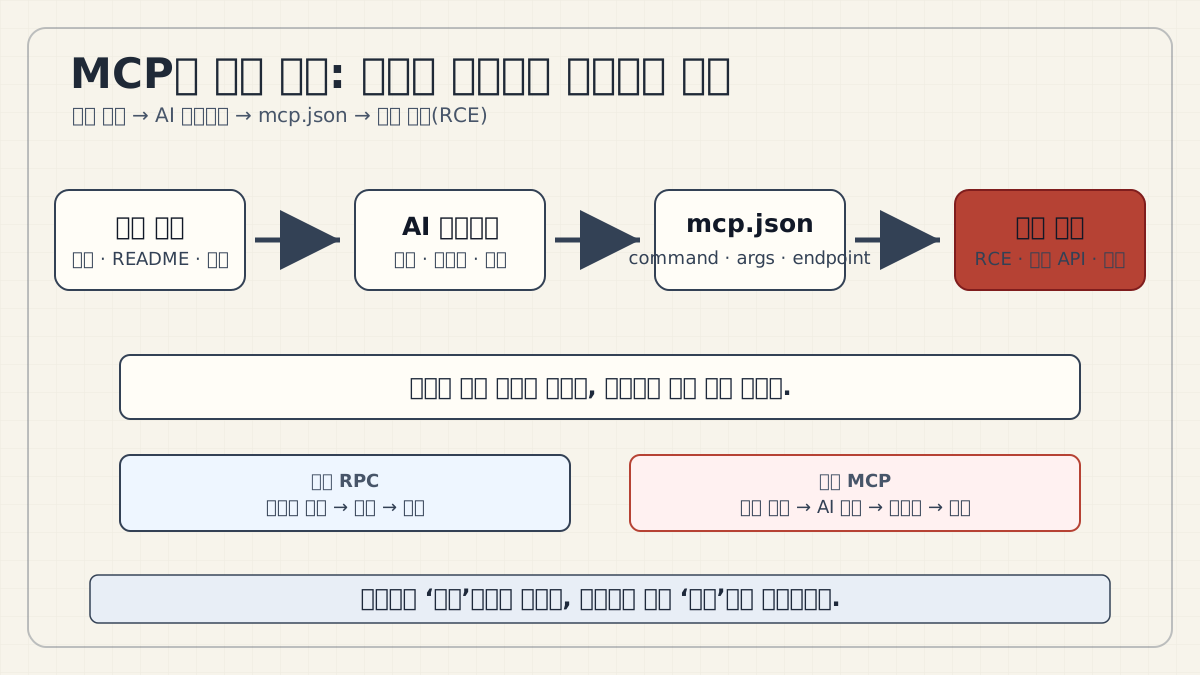
Supply Chain Security Does Not End with SBOM: Governing AI Development Tools and Automation Connections

AI IDEs, MCP, and automation connectors are not merely developer convenience tools. They are supply-chain assets that affect the trust path of how code is written, reviewed, and shipped.

May 2, 2026 · 8 min · 1685 words

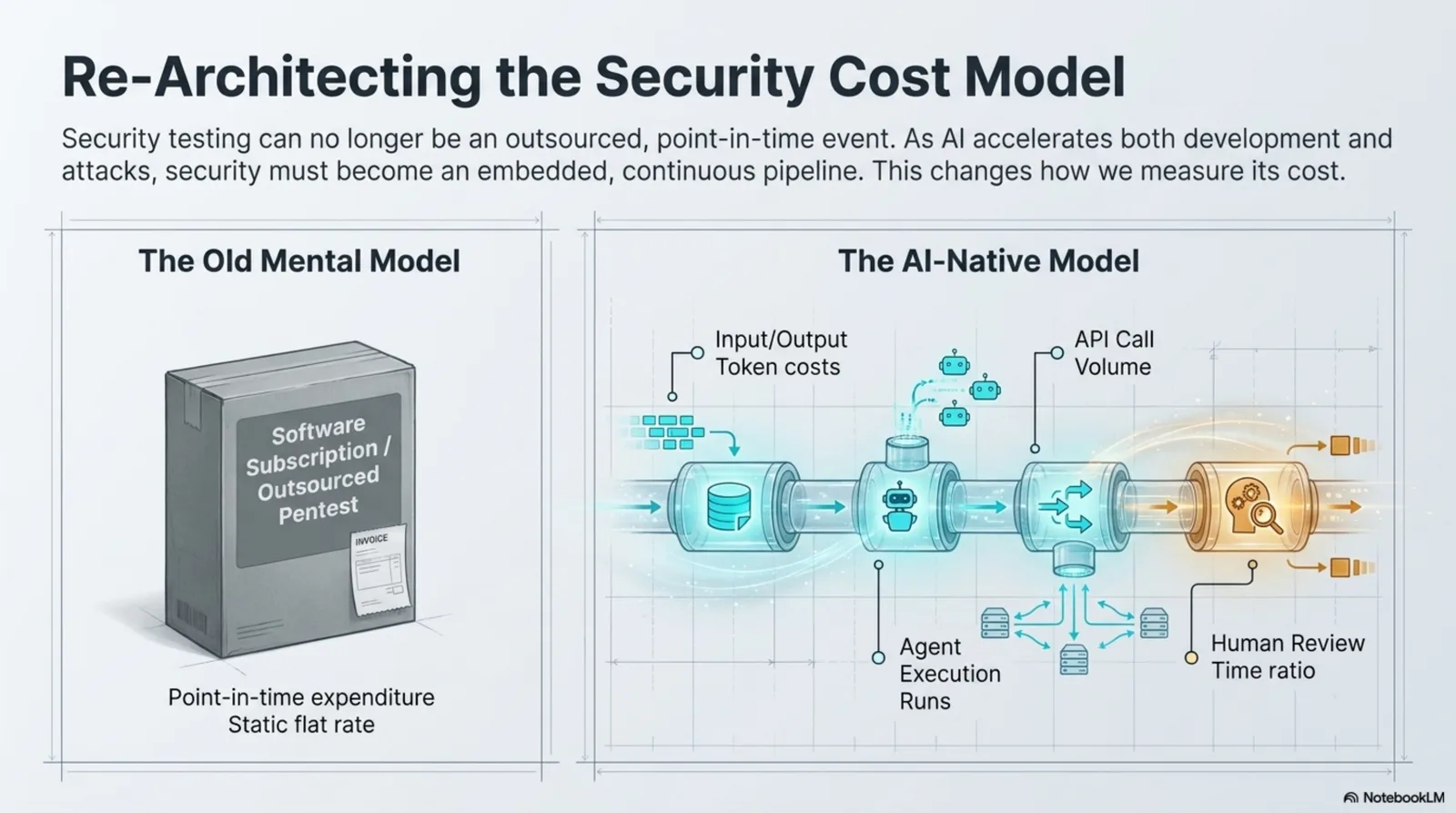
Security Assessment Becomes a Development Process, Not an Outsourced Event

AI-era security assessment is not primarily about reducing outsourcing cost. It is about embedding repeatable verification into the development process while separating automation candidates from human judgment.

May 1, 2026 · 10 min · 1927 words

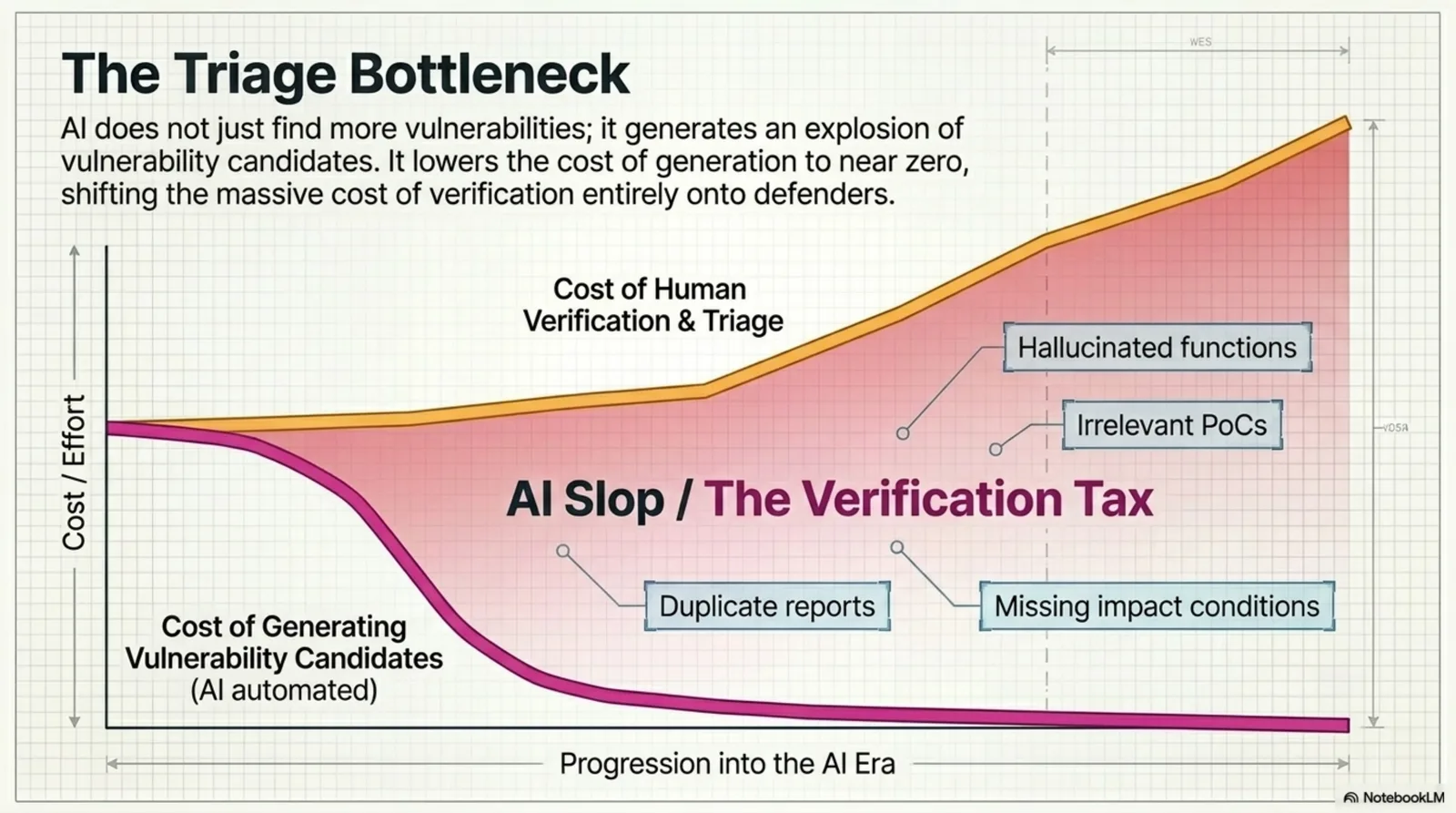
The AI Slop Paradox: Why Triage Gets Harder When Vulnerabilities Get Easier to Find

AI lowers the cost of finding vulnerability candidates, but it also increases low-quality reports, duplicates, and false positives. In the AI slop era, triage quality becomes the core security operation.

April 30, 2026 · 7 min · 1480 words

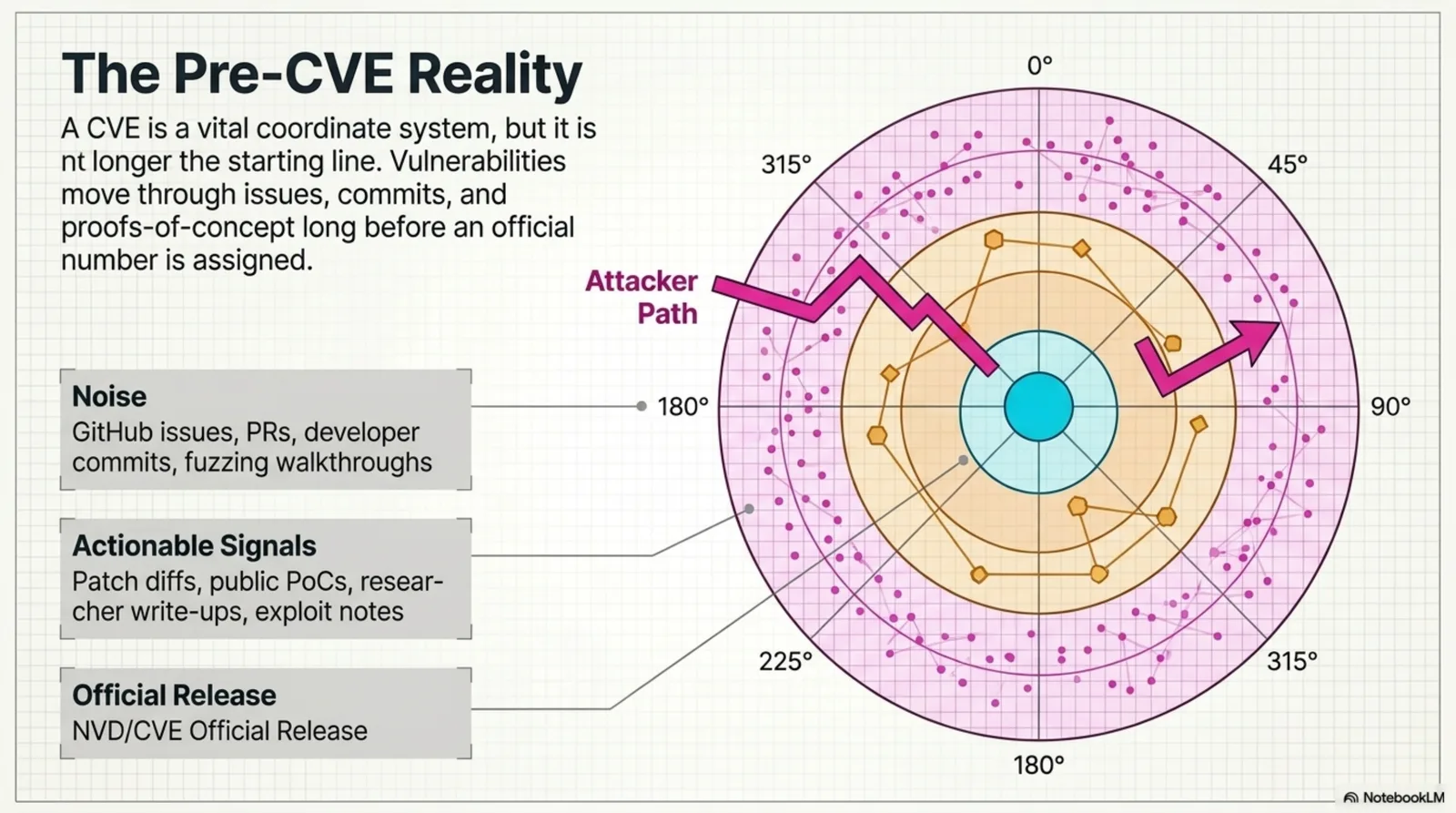
Beyond CVE Response: AI-Era Vulnerabilities Move Before They Get Numbers

AI-era vulnerability response cannot wait for a CVE number. Pre-CVE signals such as issues, commits, PoCs, write-ups, and patch traces now have to be mapped against internal exposure earlier.

April 29, 2026 · 7 min · 1451 words

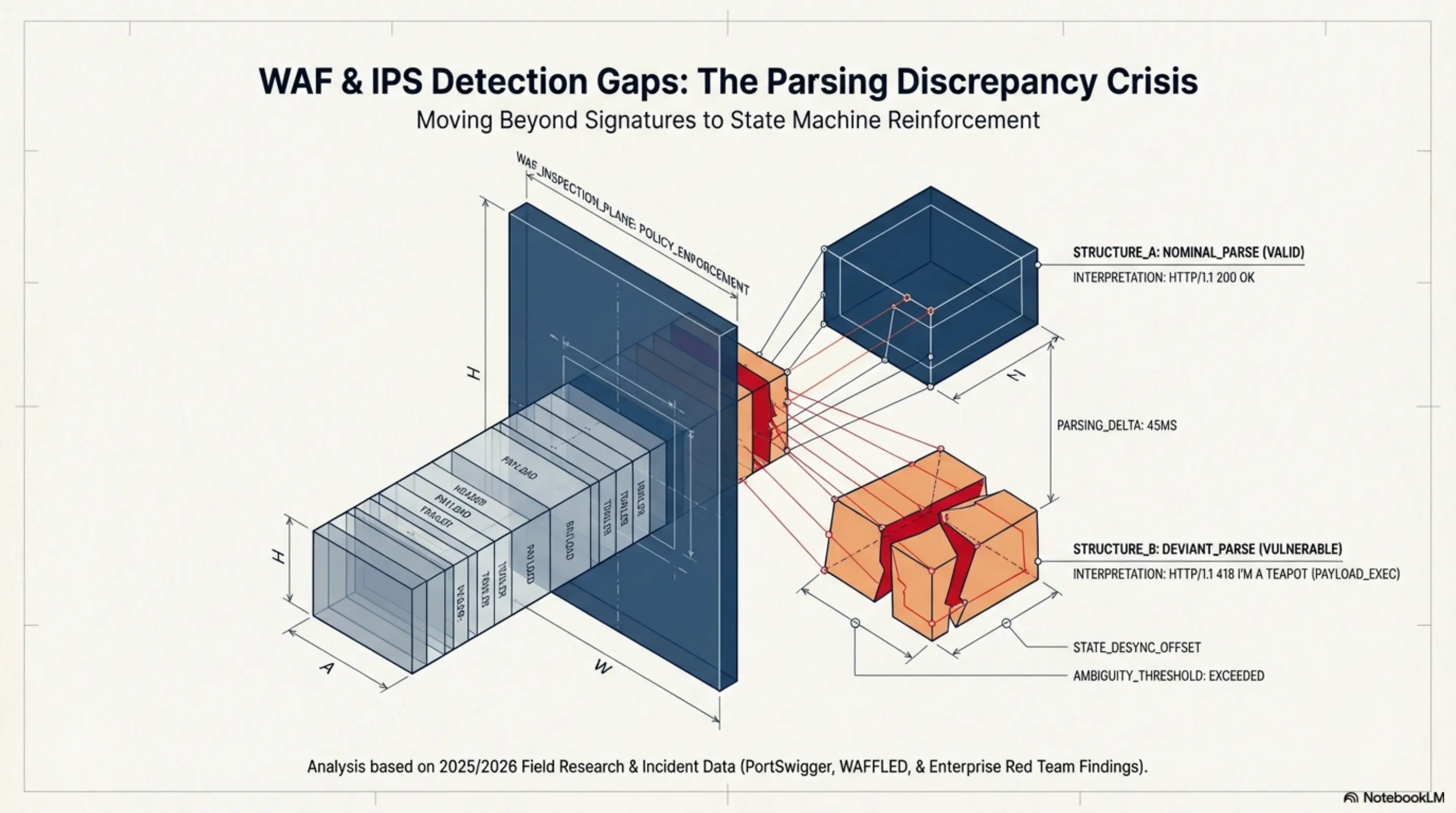
WAF/IPS/IDS Detection Gap Analysis and Remediation Direction

Structural analysis of WAF, IPS, and IDS detection gaps from parsing discrepancies, with a practical remediation taxonomy.

March 13, 2026 · 45 min · 9553 words

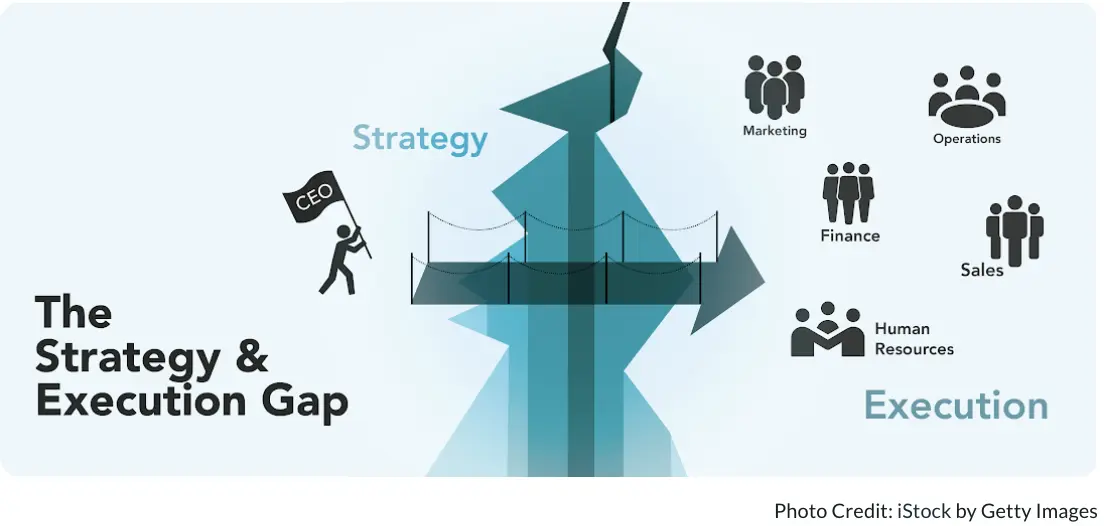
The Gap Between CISO Strategy and Execution: The WAF Debate and Field Leadership Report

A comprehensive report presenting a roadmap for practical security improvement and field leadership, centered around the debate on WAF and the gap between philosophy and execution.

June 30, 2025 · 13 min · 2756 words

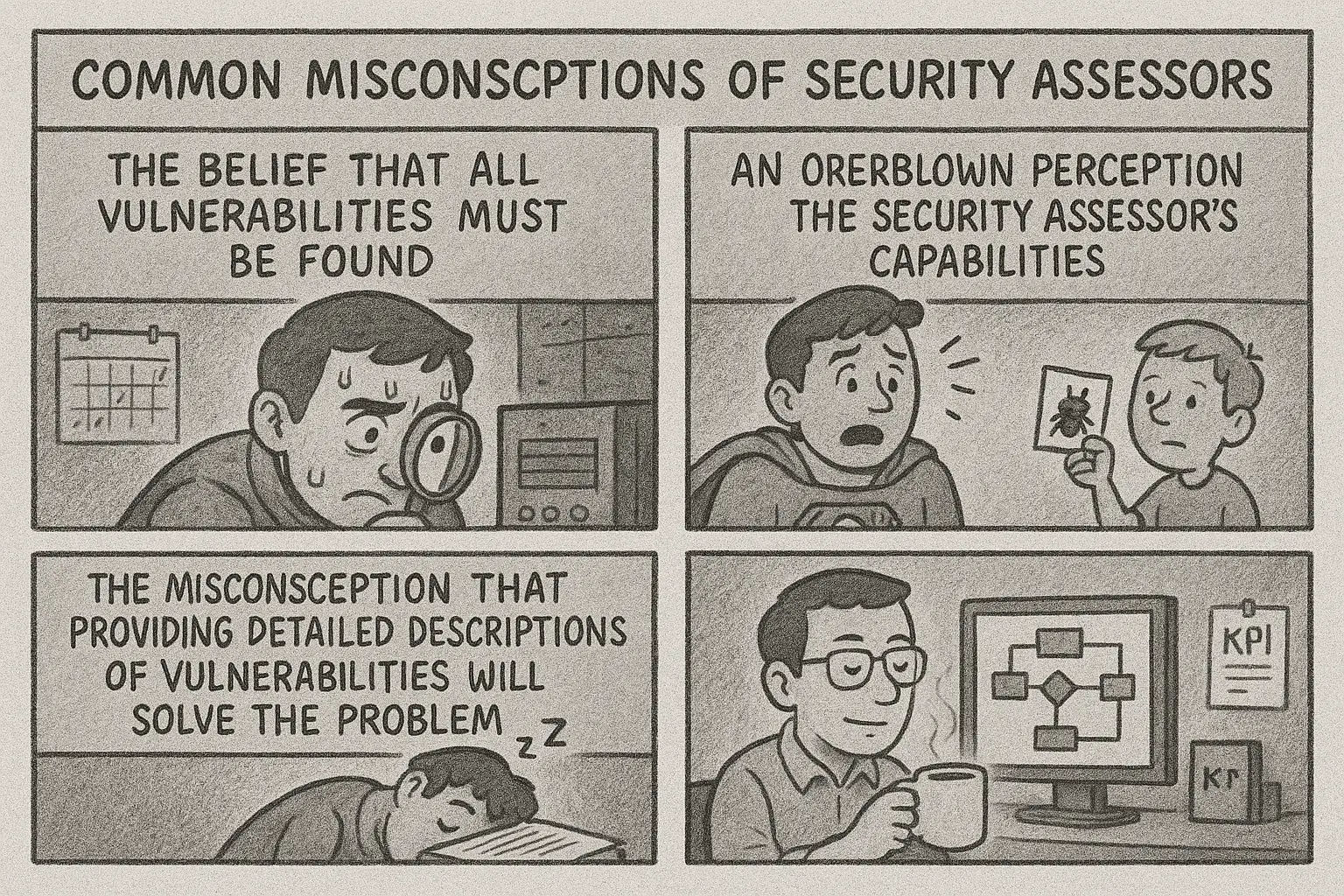
Common Misconceptions of Security Assessors

Three common misconceptions that weaken security assessments and strategies to build repeatable, effective vulnerability evaluation.

June 16, 2024 · 3 min · 550 words