









Finding Vulnerabilities Is Not the Same as Building Attack Scenarios
A practical method for modeling vulnerabilities as attacker-relevant security state transitions and combining human intuition with bounded AI search
Representative Foreword
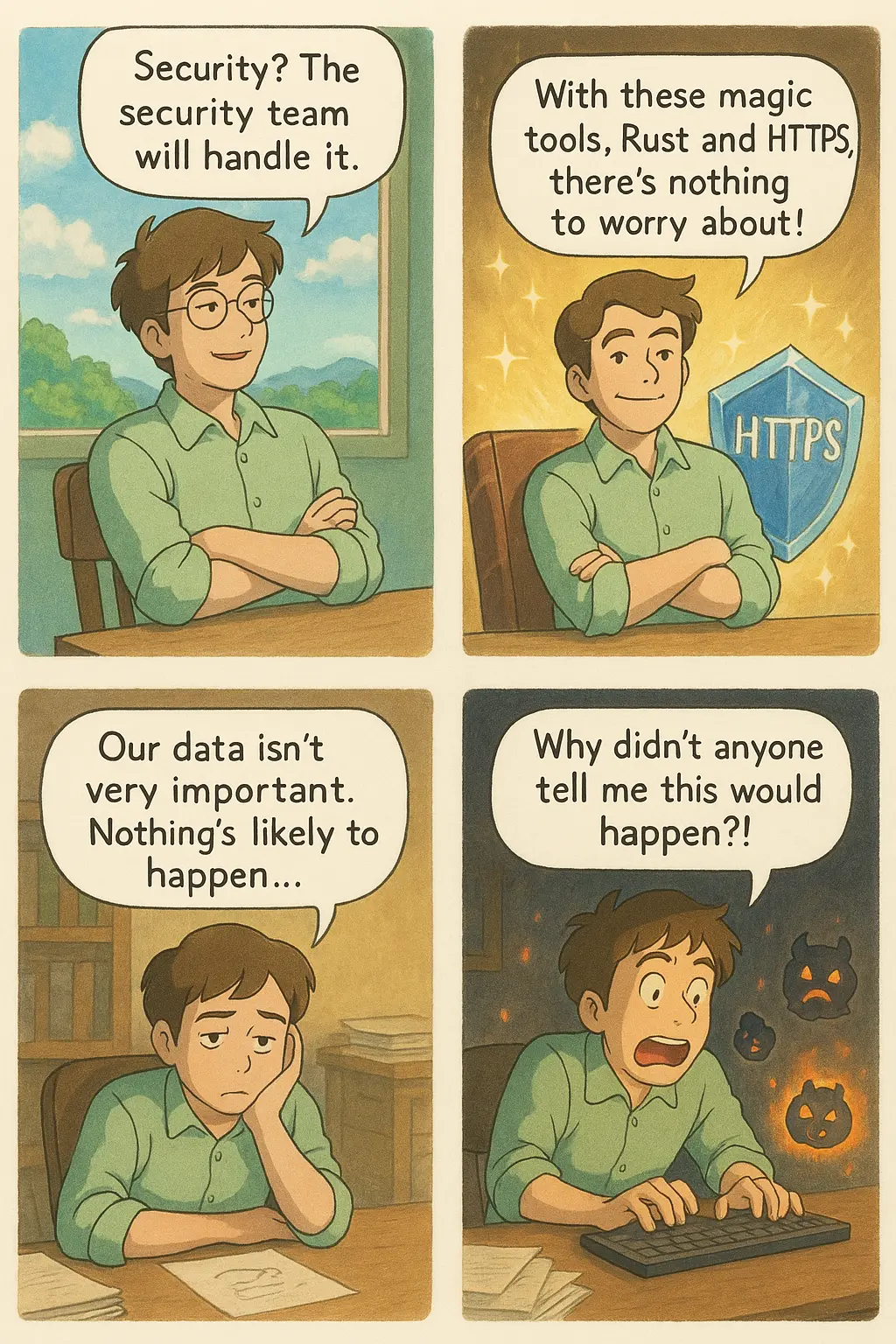
The representative foreword of this blog: security now fails less at finding issues than at absorbing, sustaining, and acting on what has already been found.
This essay frames the entire site first. The posts on technical analysis, method, and governance all start from this same problem statement.

Detection, Method, Governance
A practical method for modeling vulnerabilities as attacker-relevant security state transitions and combining human intuition with bounded AI search
This article explains how I split an XSS security development specification for small local models into core/verify/dev/test overlays, and what I learned while connecting LLM-based judgment to regression-test generation and Jazzer/Jazzer.js fuzzing seeds.
I designed sec-audit-static workflow v2.0, ran it against a real auth-server codebase, and missed two things. This is the record of how those misses were folded back into the tool — through v2.8.
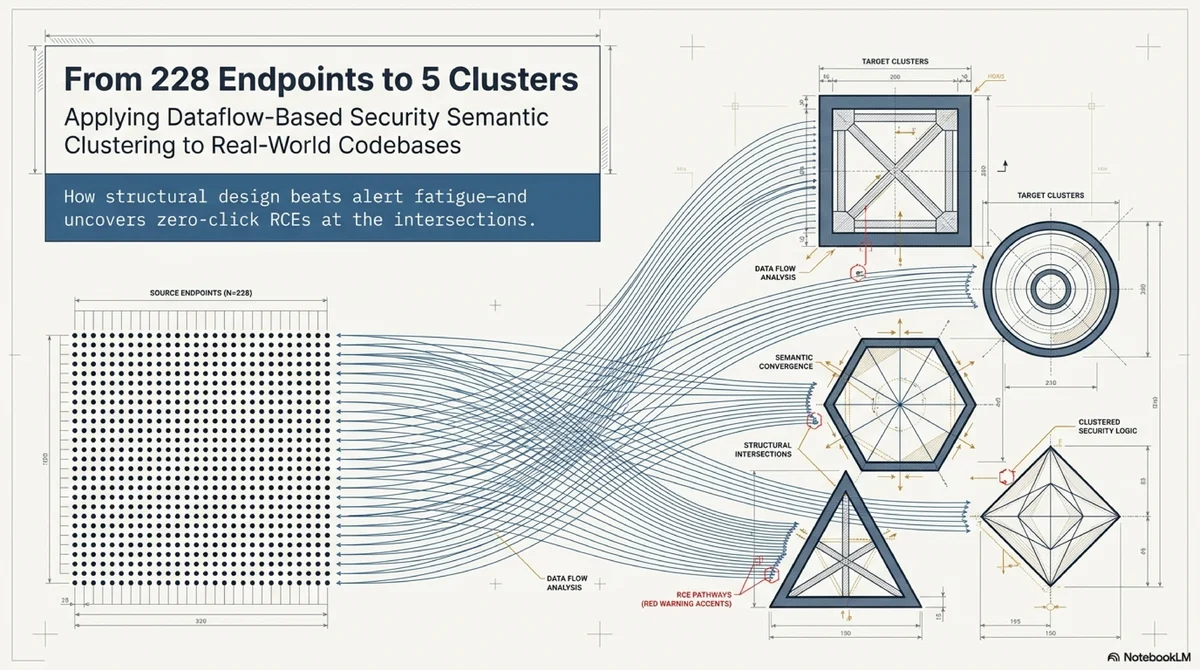
A practical account of applying dataflow-based clustering to a real codebase — reducing 228 endpoints to 5 reviewable clusters, and finding an RCE chain in the cross-section.
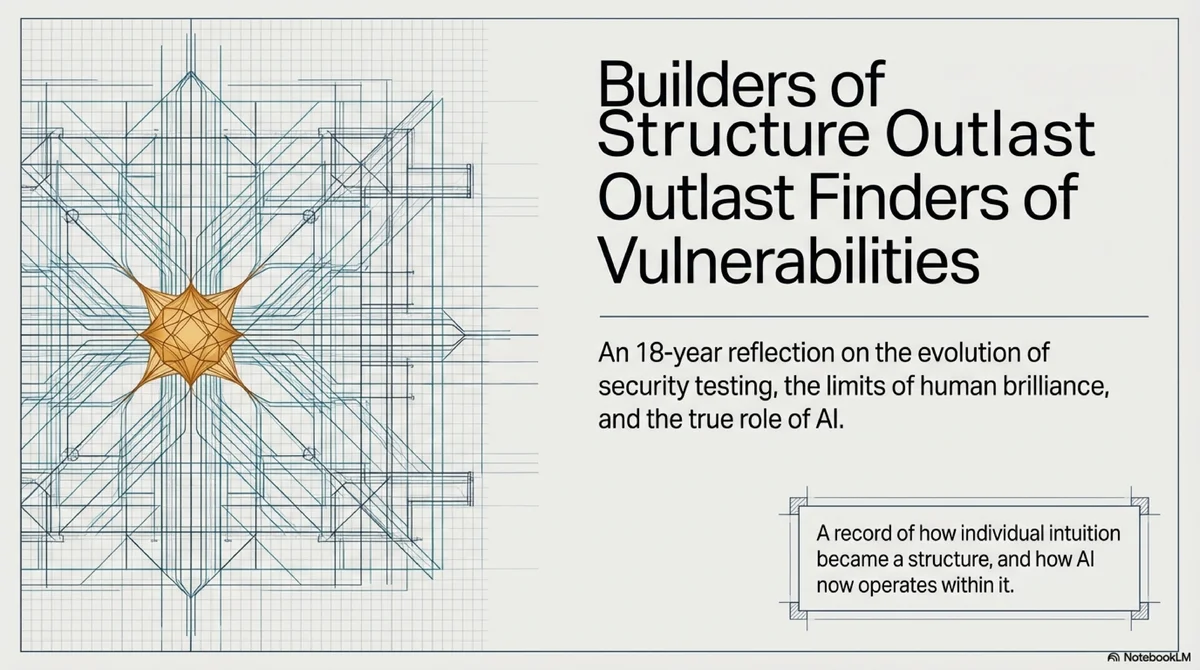
18 years of vulnerability hunting distilled into one insight: the shift from individual instinct to scalable structure — and what AI means for those left standing.