



Representative Foreword

After the Code, the Structure Remains

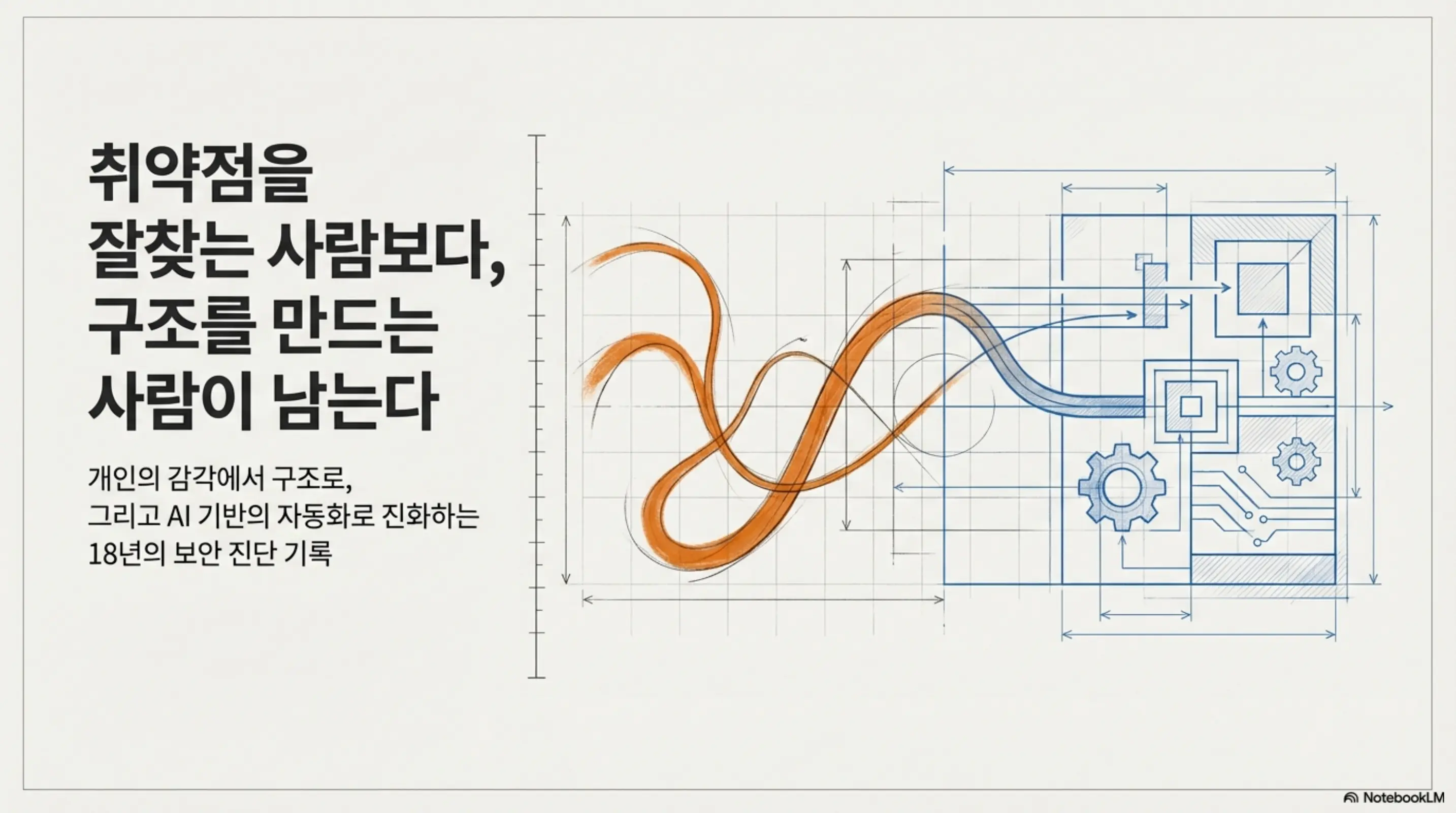
The representative foreword of this blog: security now fails less at finding issues than at absorbing, sustaining, and acting on what has already been found.

This essay frames the entire site first. The posts on technical analysis, method, and governance all start from this same problem statement.

After the Code, the Structure Remains

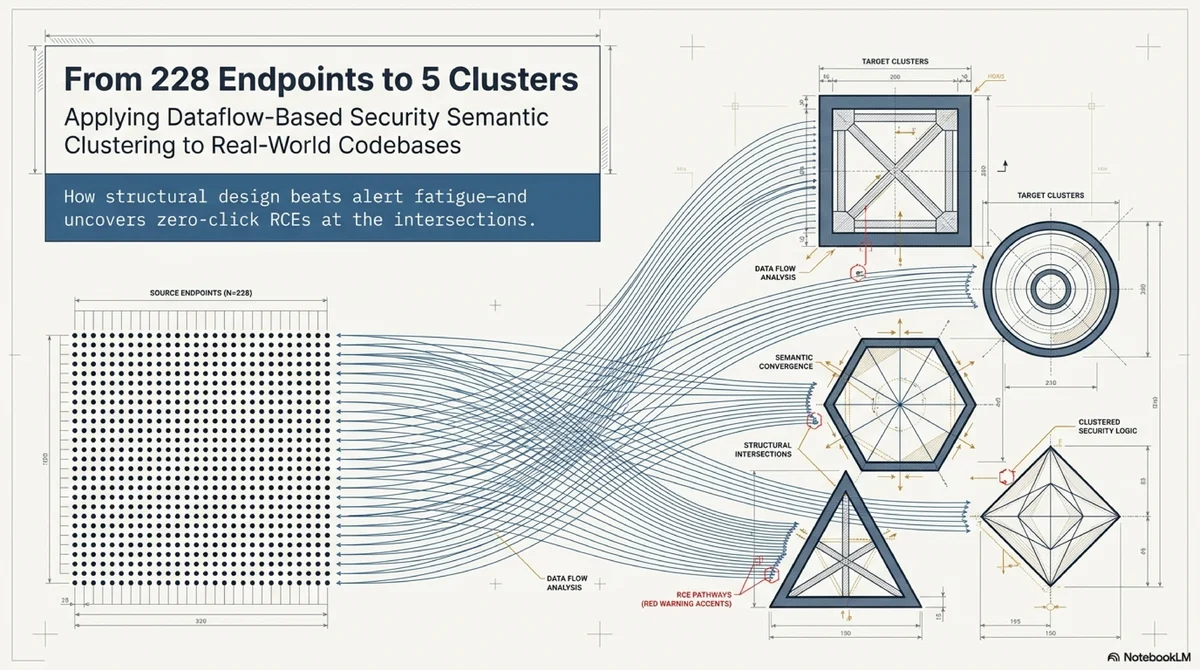
Detection, Method, Governance

🔥 A Mind That Dissects Systems

🔥 Trust and Culture Beyond Technology

🔥 Code That Fixes, Not Just Runs

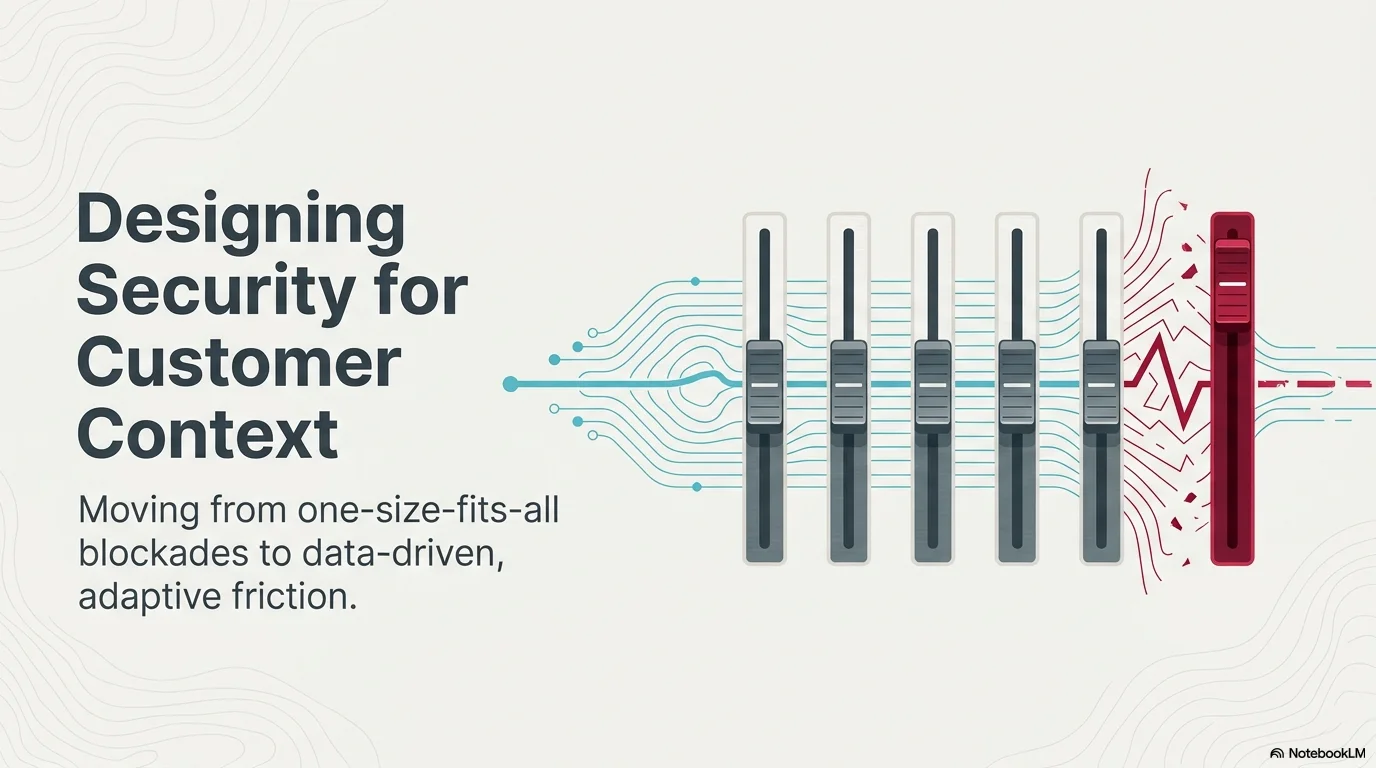
Security Controls Aren't Lacking — They're Inconvenient: Why Security Needs Customer Context

Security controls already exist. The real problem is that we cannot decide which customer, at which moment, deserves how much friction. As the closing chapter of the CAPTCHA·ATO series, this post is about moving from quantity of controls to context of controls — adaptive security as an operational discipline.

May 11, 2026 · 13 min · 2671 words

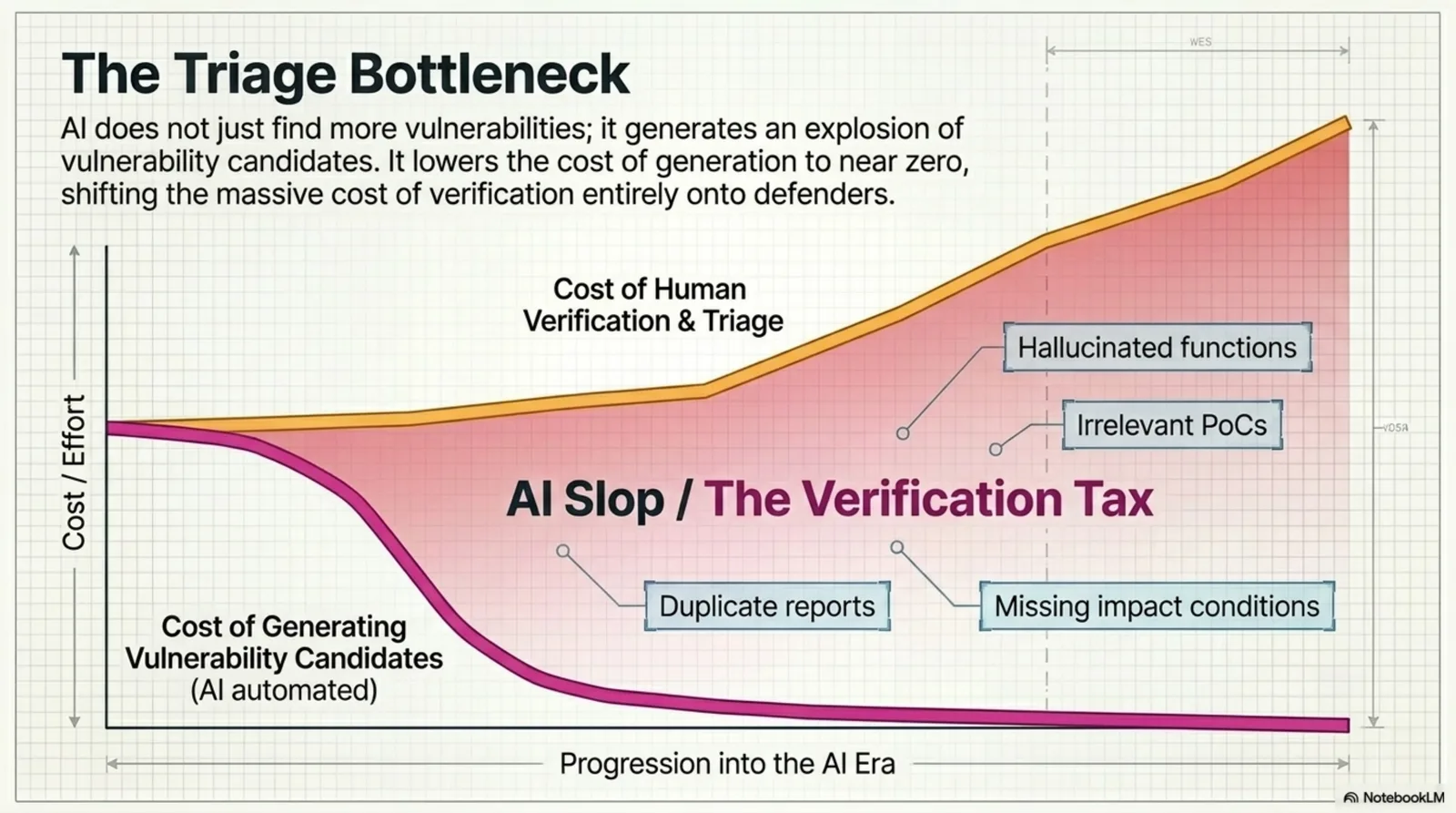
The AI Slop Paradox: Why Triage Gets Harder When Vulnerabilities Get Easier to Find

AI lowers the cost of finding vulnerability candidates, but it also increases low-quality reports, duplicates, and false positives. In the AI slop era, triage quality becomes the core security operation.

April 30, 2026 · 7 min · 1480 words

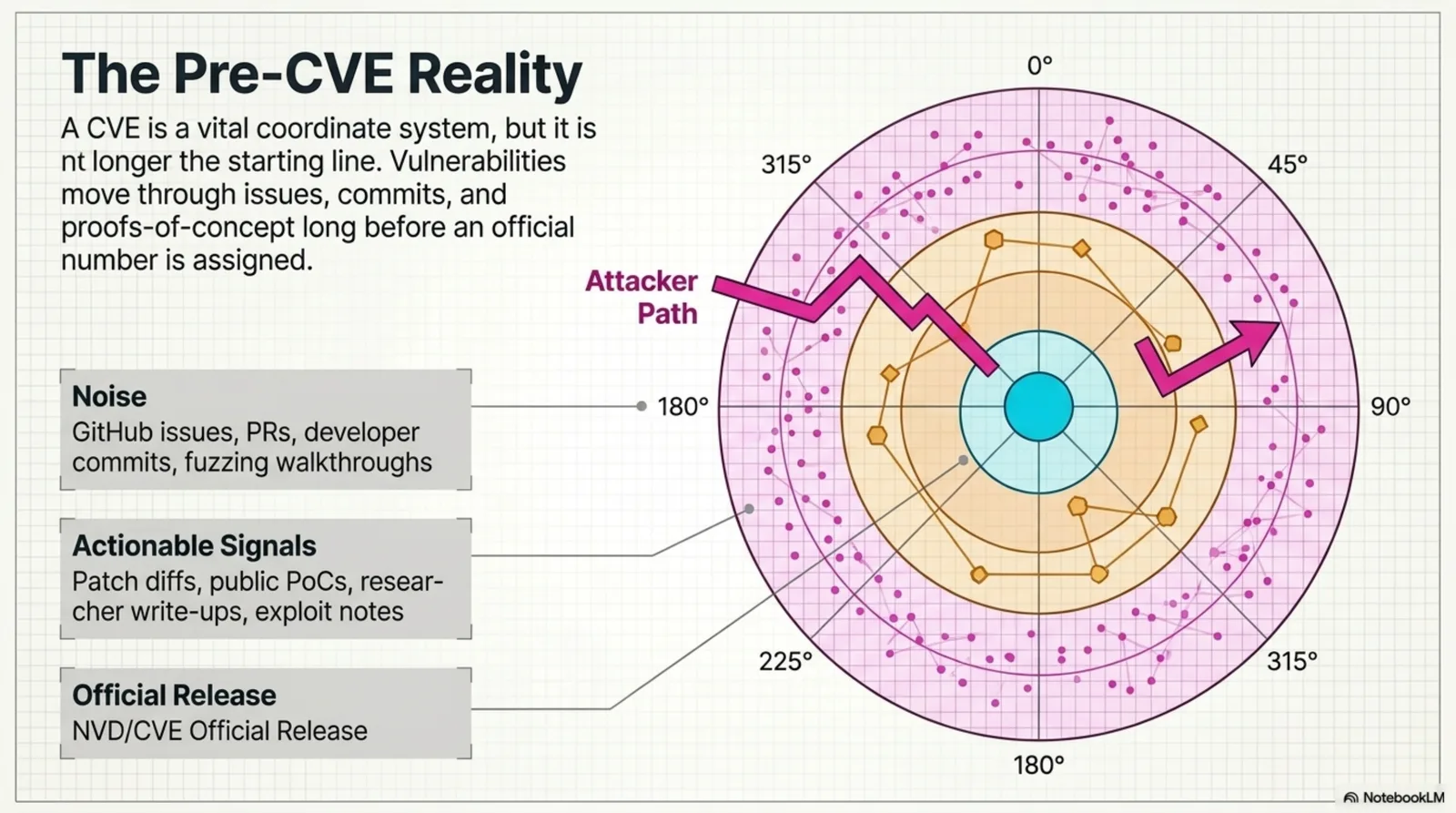
Beyond CVE Response: AI-Era Vulnerabilities Move Before They Get Numbers

AI-era vulnerability response cannot wait for a CVE number. Pre-CVE signals such as issues, commits, PoCs, write-ups, and patch traces now have to be mapped against internal exposure earlier.

April 29, 2026 · 7 min · 1451 words

Why Account Takeover Never Ends — Dismantling the ATO Supply Chain

How Korea’s CaaS supply chain reproduces itself through the recycling loop of points, gift cards, and crypto — and why defending against it requires reading the entire behavioral network, not just the login page.

April 7, 2026 · 6 min · 1088 words

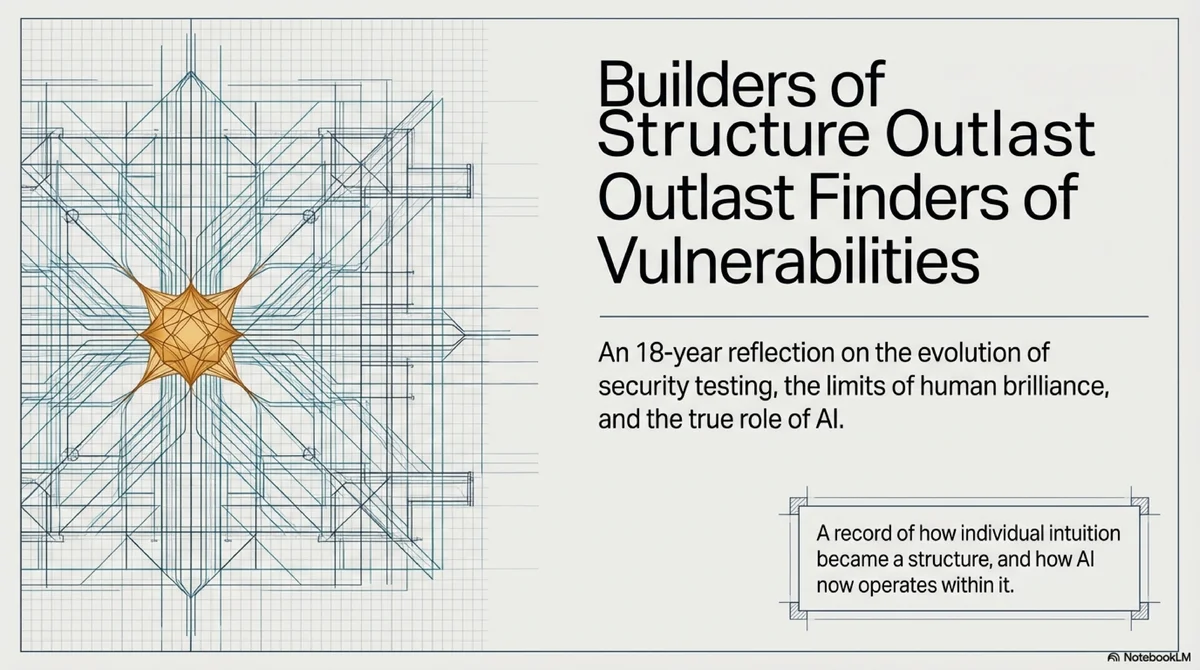
Structure Builders Will Outlast Vulnerability Finders

18 years of vulnerability hunting distilled into one insight: the shift from individual instinct to scalable structure — and what AI means for those left standing.

April 2, 2026 · 8 min · 1627 words

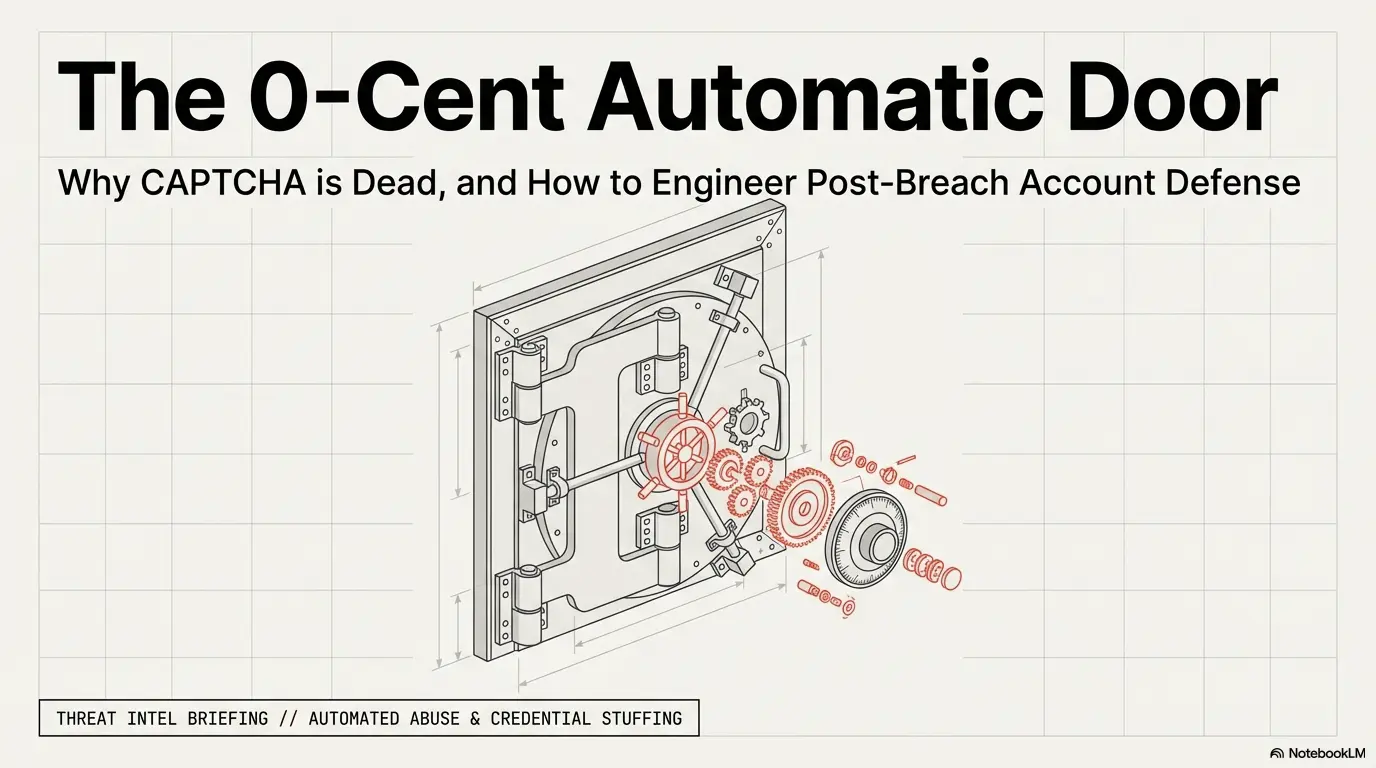
The CAPTCHA That Became a Free Automatic Door for Hackers — A Bypass PoC and Defense Strategy

A practical look at an audio CAPTCHA bypass PoC built with Playwright, Whisper, and Page-Agent, plus the login defenses that still matter after CAPTCHA falls.

March 30, 2026 · 28 min · 5849 words

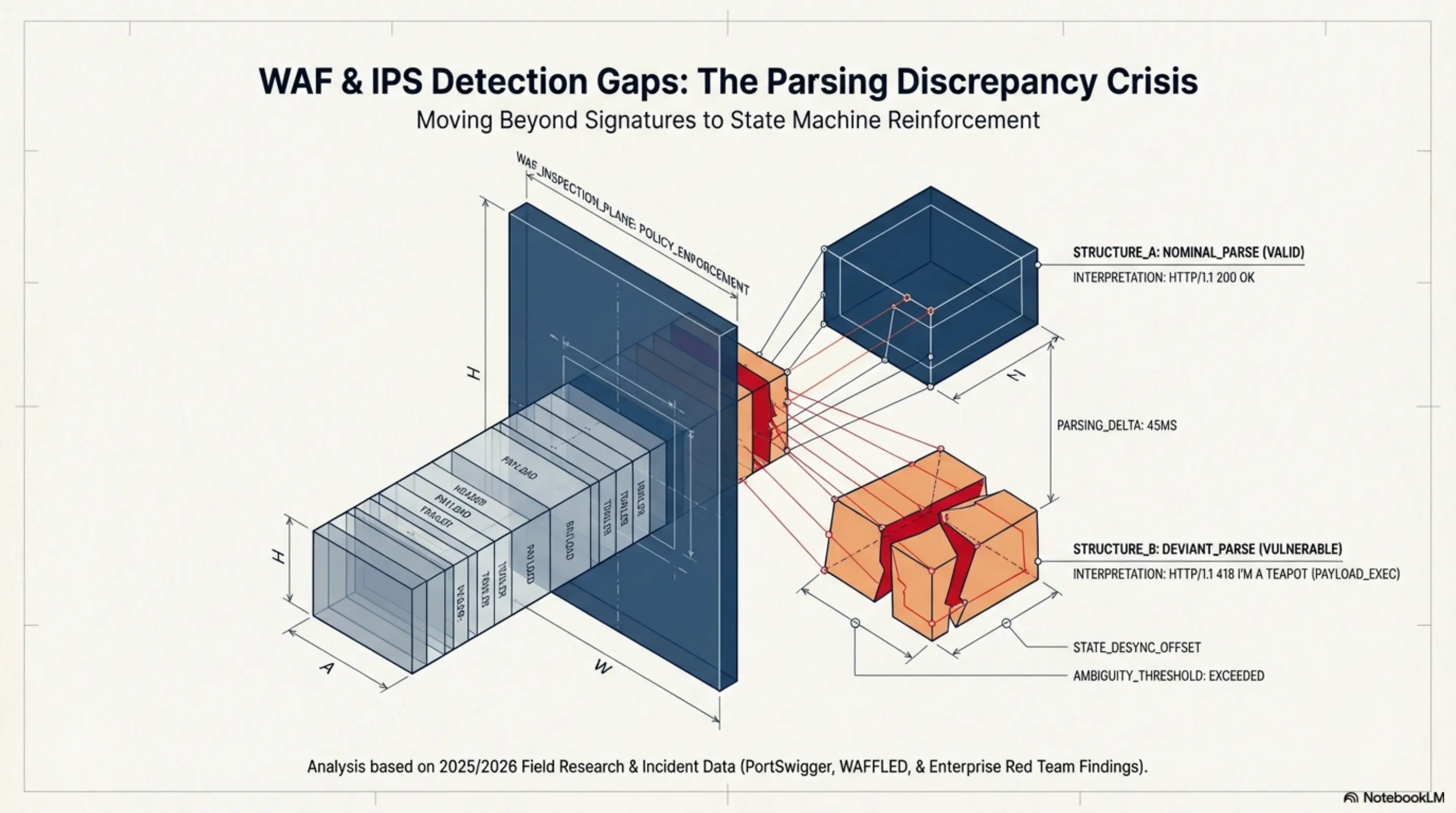
WAF/IPS/IDS Detection Gap Analysis and Remediation Direction

Structural analysis of WAF, IPS, and IDS detection gaps from parsing discrepancies, with a practical remediation taxonomy.

March 13, 2026 · 45 min · 9553 words

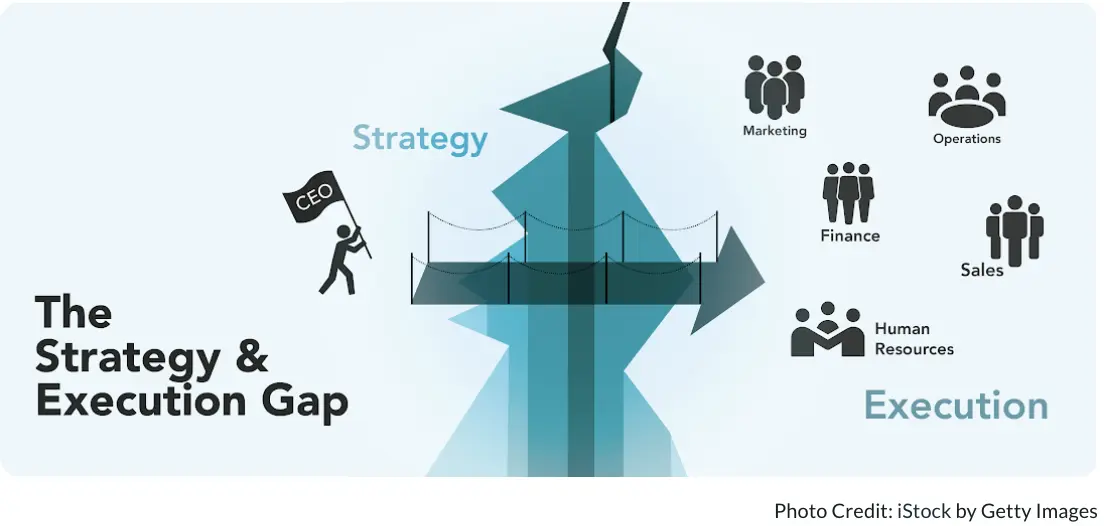
The Gap Between CISO Strategy and Execution: The WAF Debate and Field Leadership Report

A comprehensive report presenting a roadmap for practical security improvement and field leadership, centered around the debate on WAF and the gap between philosophy and execution.

June 30, 2025 · 13 min · 2756 words

Endpoint Security Evasion (2020–2025): From EDR Bypass to EDR Kill

A technical analysis of how BYOI, BYOVD, DLL hijacking, and service abuse shifted endpoint attacks from EDR bypass to EDR kill between 2020 and 2025.

May 28, 2025 · 33 min · 6841 words

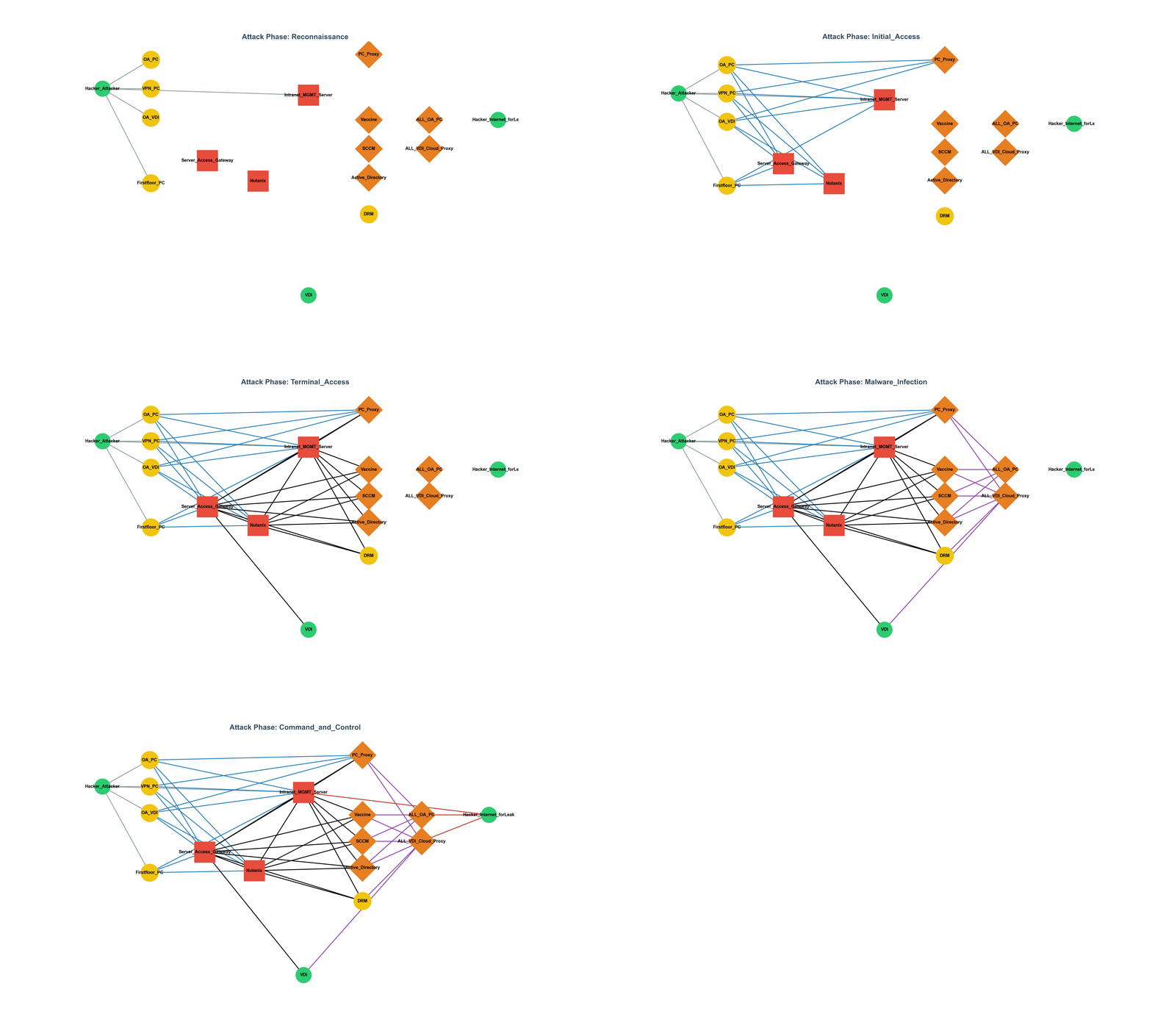
SPOF in Cybersecurity: From History to Strategy, a Graph-Based Analysis

Graph-based analysis of Single Points of Failure in cybersecurity, using weighted path enumeration to identify critical infrastructure nodes.

May 15, 2025 · 5 min · 1018 words

