






Representative Foreword

After the Code, the Structure Remains

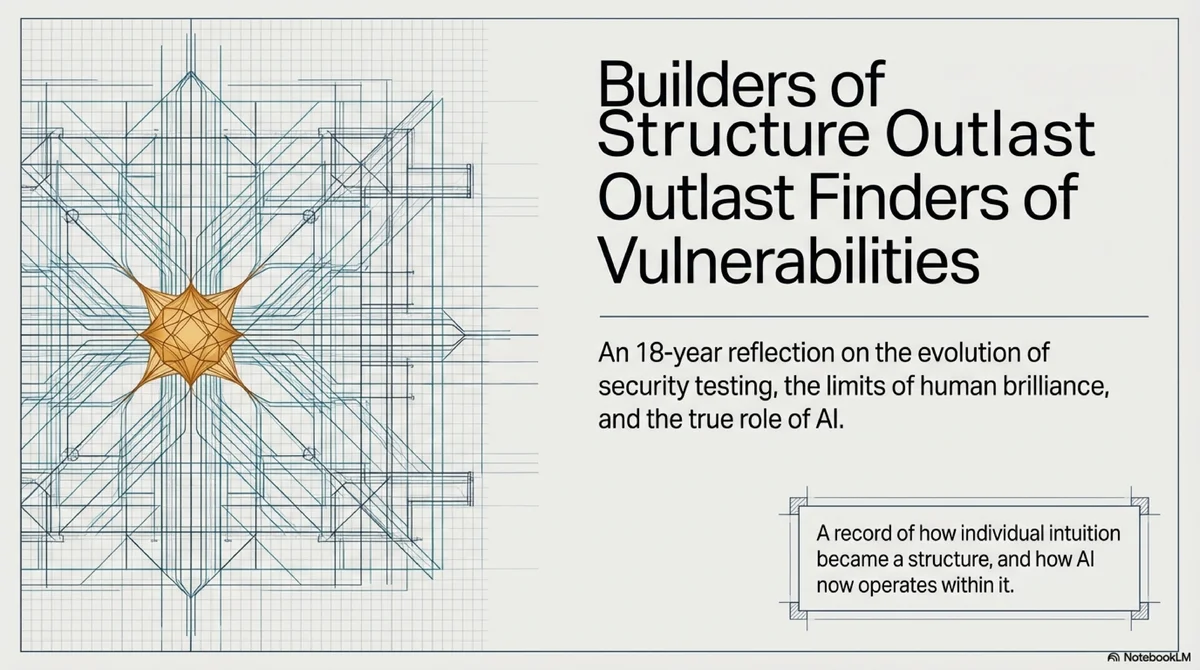
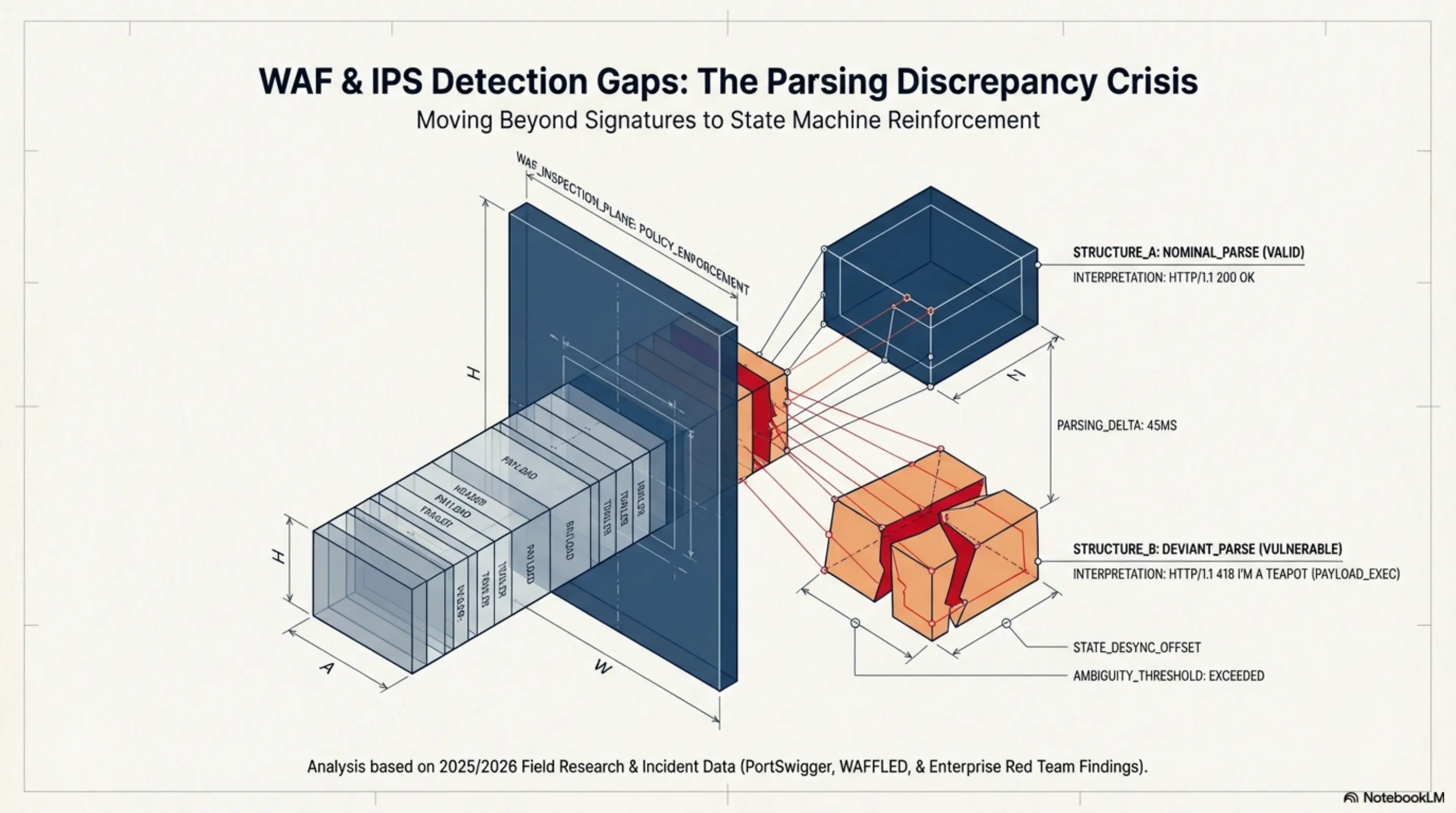
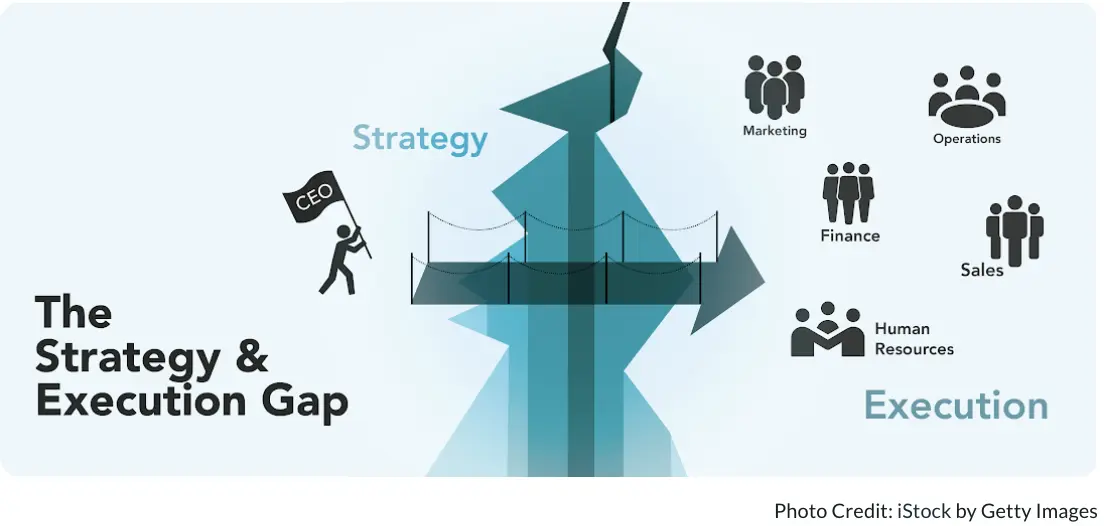
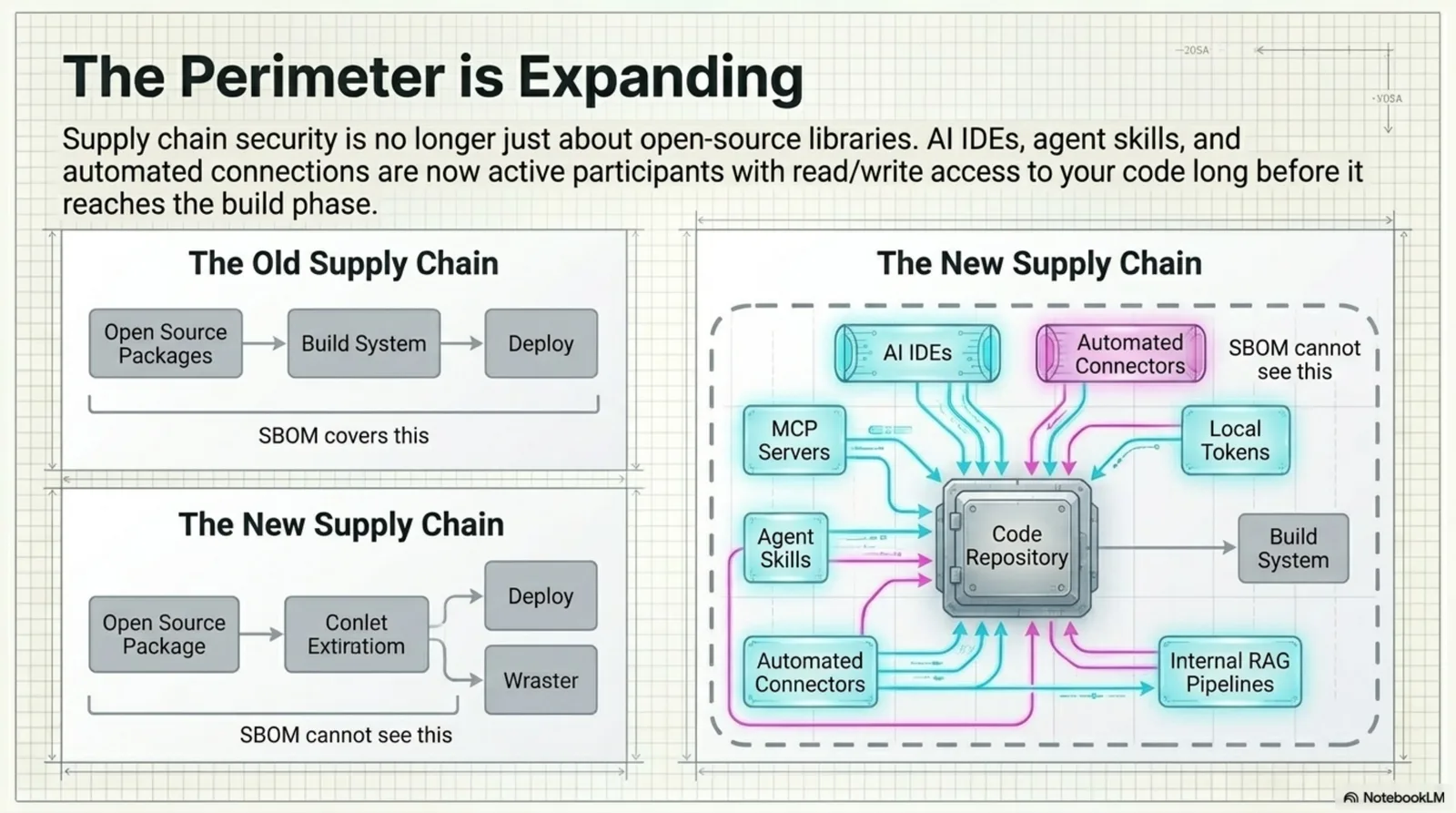
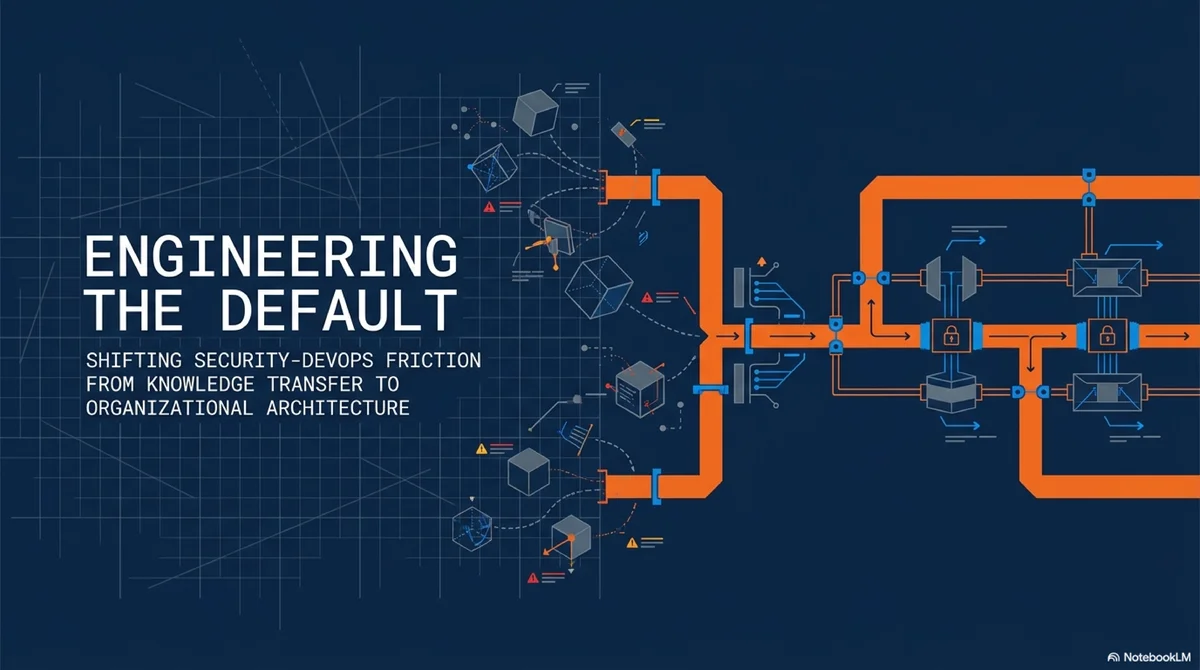
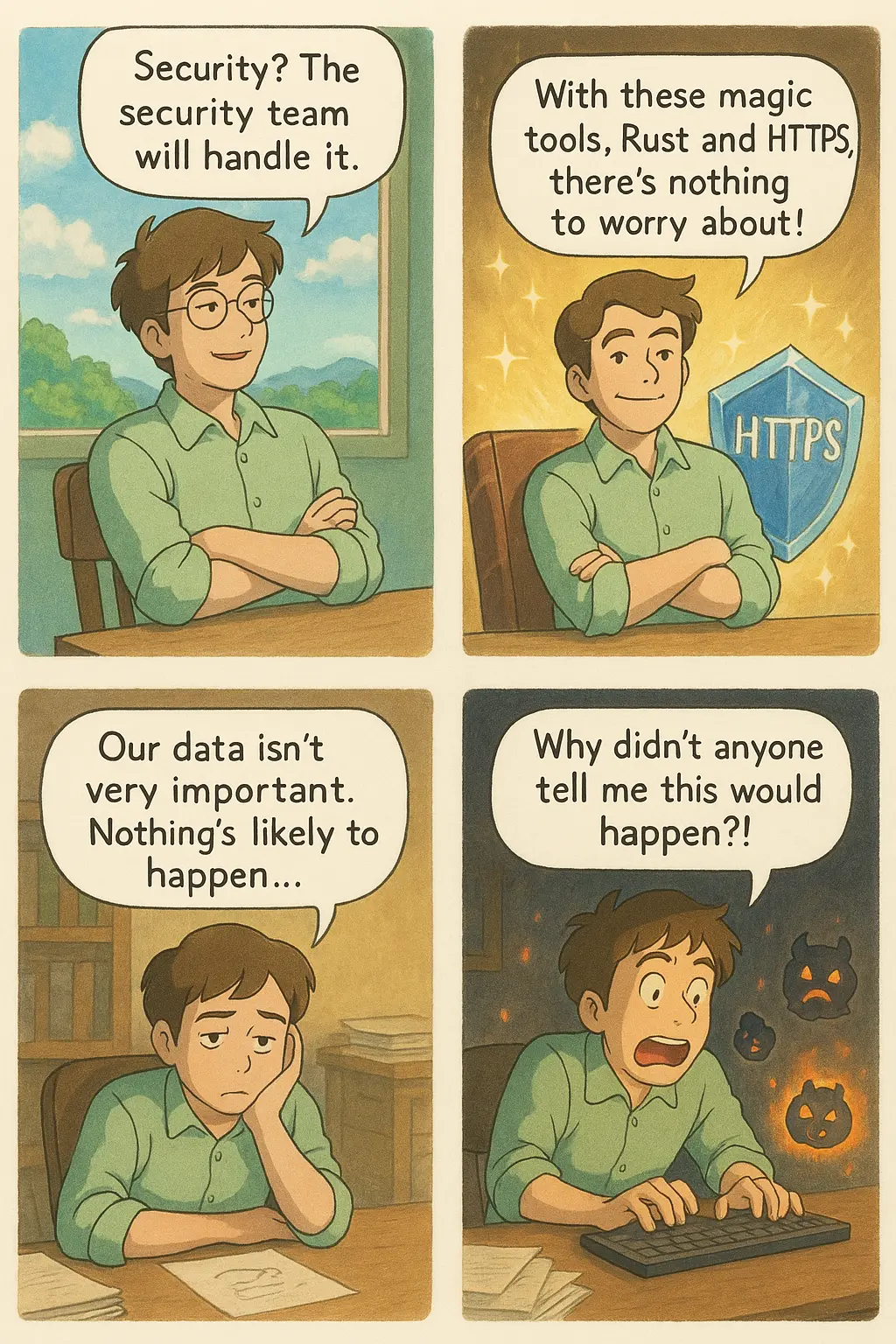
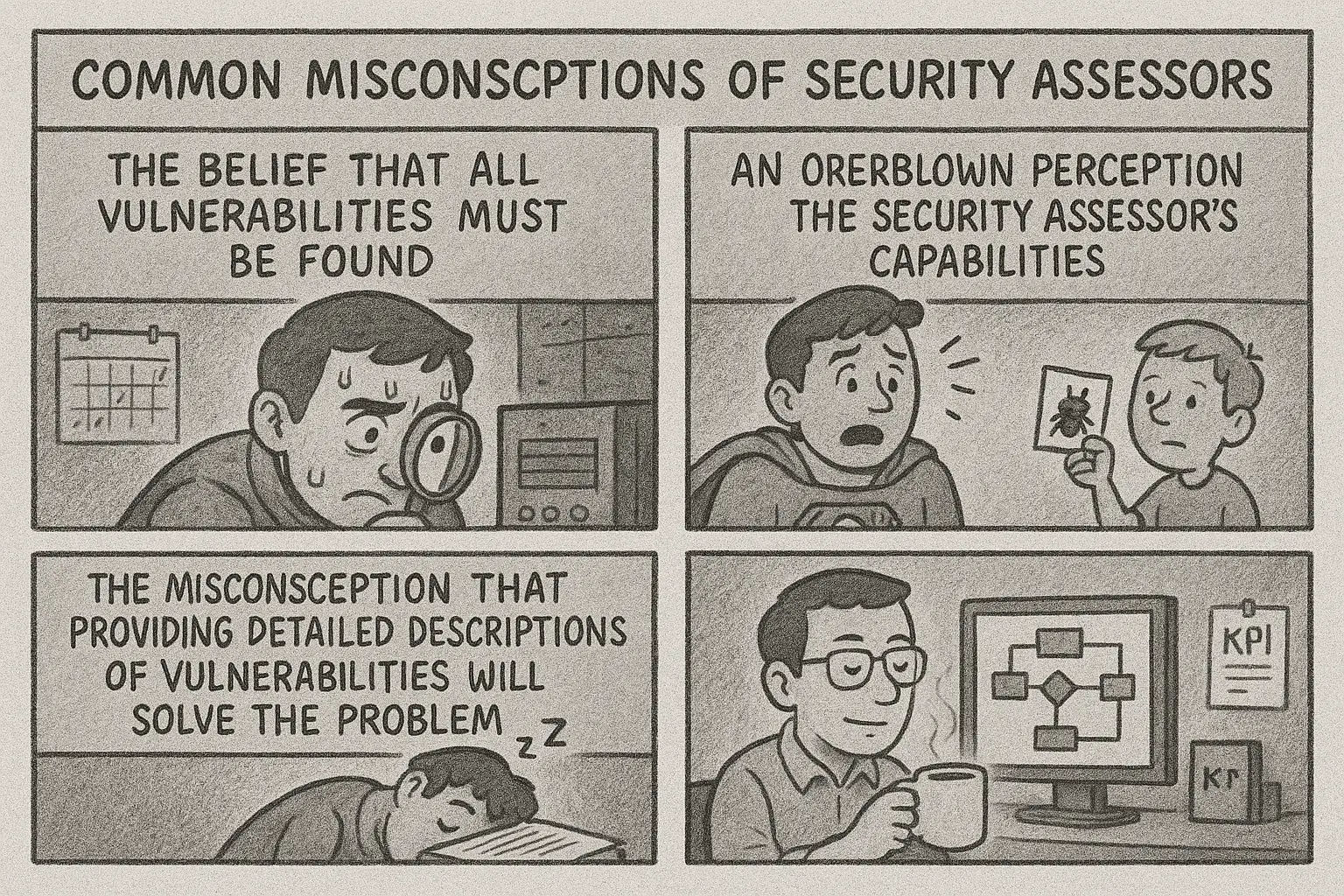
The representative foreword of this blog: security now fails less at finding issues than at absorbing, sustaining, and acting on what has already been found.

This essay frames the entire site first. The posts on technical analysis, method, and governance all start from this same problem statement.

After the Code, the Structure Remains

Detection, Method, Governance

🔥 A Mind That Dissects Systems

🔥 Trust and Culture Beyond Technology

🔥 Code That Fixes, Not Just Runs

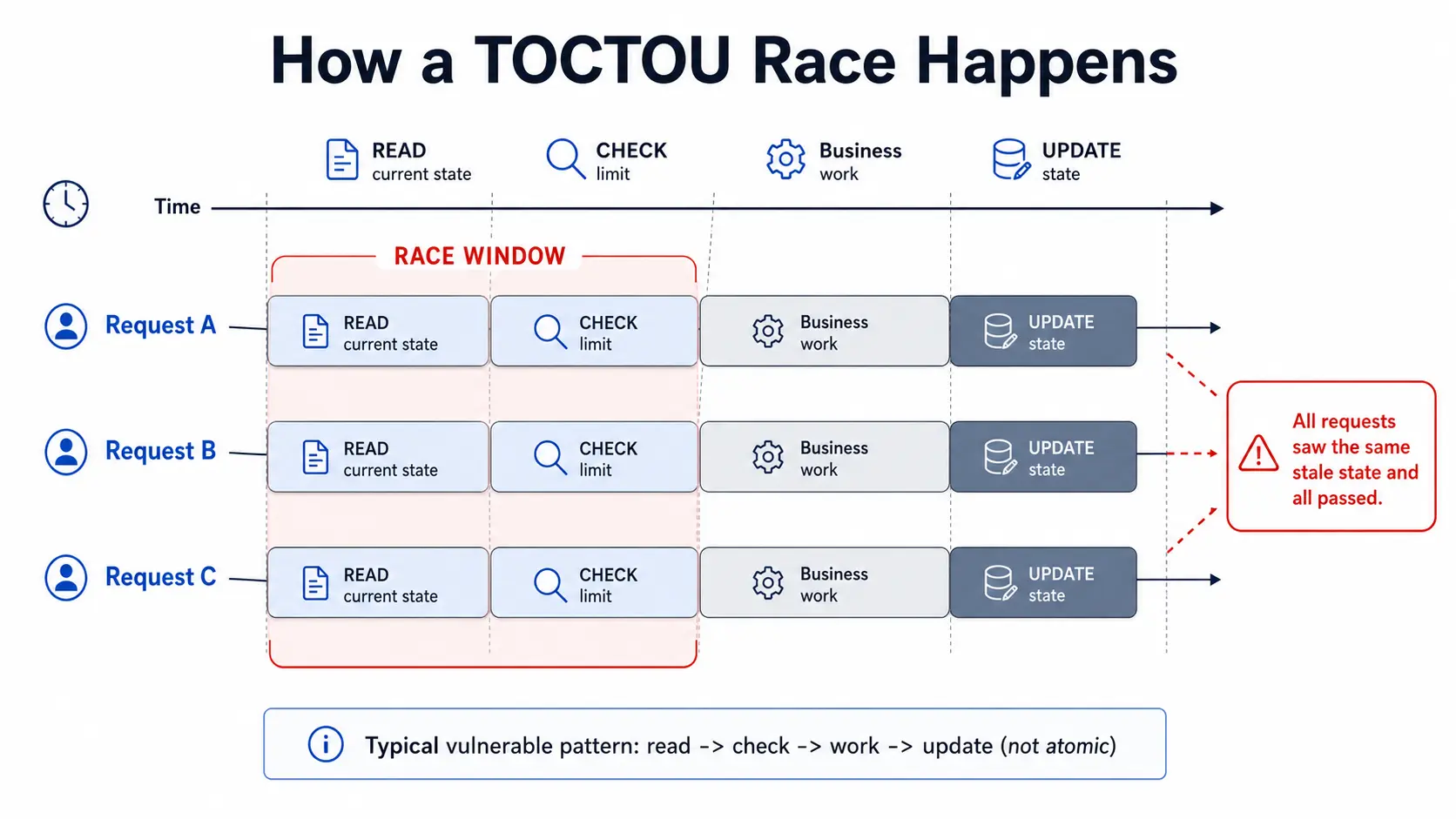
How a TOCTOU race happens: concurrent requests all read the same stale state and all pass the check

Race Condition (TOCTOU) Remediation: What Actually Worked in a Real Stack

The same check-then-act race keeps appearing across services: purchase-limit bypass, one draw used by many requests, duplicate coupon cancellation, daily-reward overruns. I built a real stack (nginx + Tomcat×2 + shared Postgres + Redis) and measured which fix actually holds. Most of them need no Redis lock — just a DB conditional UPDATE and an affected-rows check.

August 25, 2026 · 18 min · 3696 words

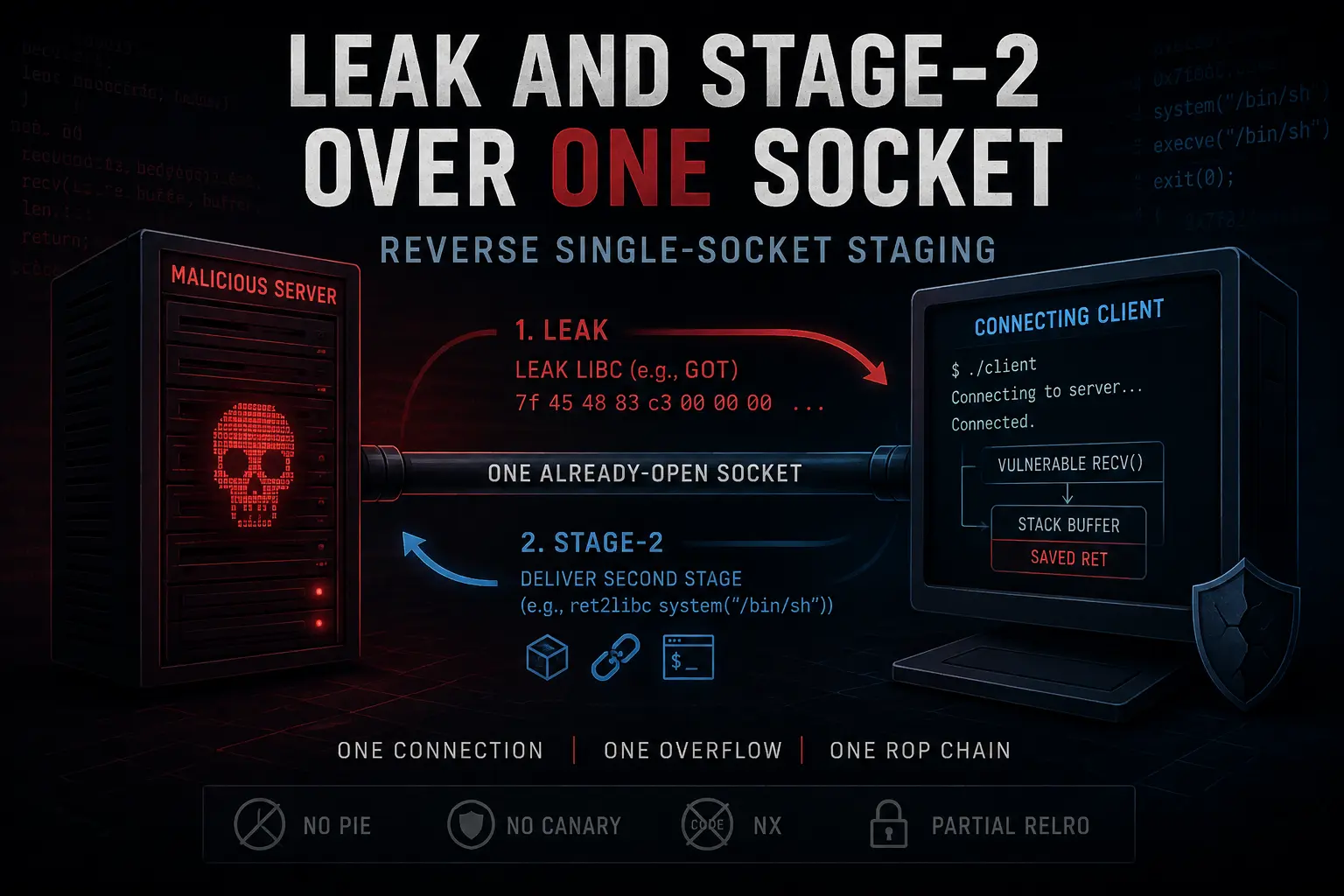
Leak and Stage-2 Over One Socket: Reverse Single-Socket Staging

A malicious server corrupting a client that dials out to it, carrying both the libc leak and the second stage over one already-open socket in a single ROP chain. And why this is not a new pattern but a well-known composition.

August 15, 2026 · 10 min · 1947 words

From a Security Development Spec for Small LLMs to Regression Tests and Fuzzing Validation

This article explains how I split an XSS security development specification for small local models into core/verify/dev/test overlays, and what I learned while connecting LLM-based judgment to regression-test generation and Jazzer/Jazzer.js fuzzing seeds.

June 8, 2026 · 26 min · 5449 words

An Audit Workflow Survives Only When It Absorbs Misses — Eight Reinforcements to sec-audit-static v2.0

I designed sec-audit-static workflow v2.0, ran it against a real auth-server codebase, and missed two things. This is the record of how those misses were folded back into the tool — through v2.8.

May 19, 2026 · 14 min · 2926 words

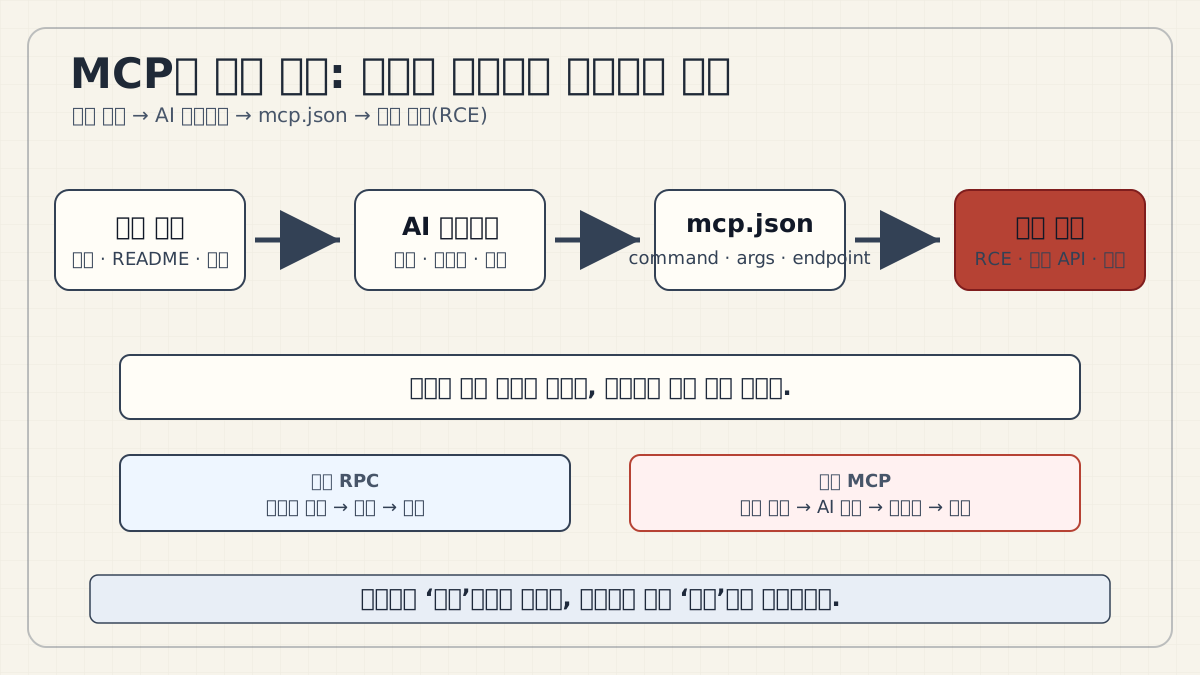
MCP Is Repeating the History of RPC Security

MCP security risks are not about prompt injection. They stem from the same configuration-to-execution escalation pattern that has plagued RPC, local security software, and CI/CD pipelines for decades.

May 7, 2026 · 5 min · 895 words

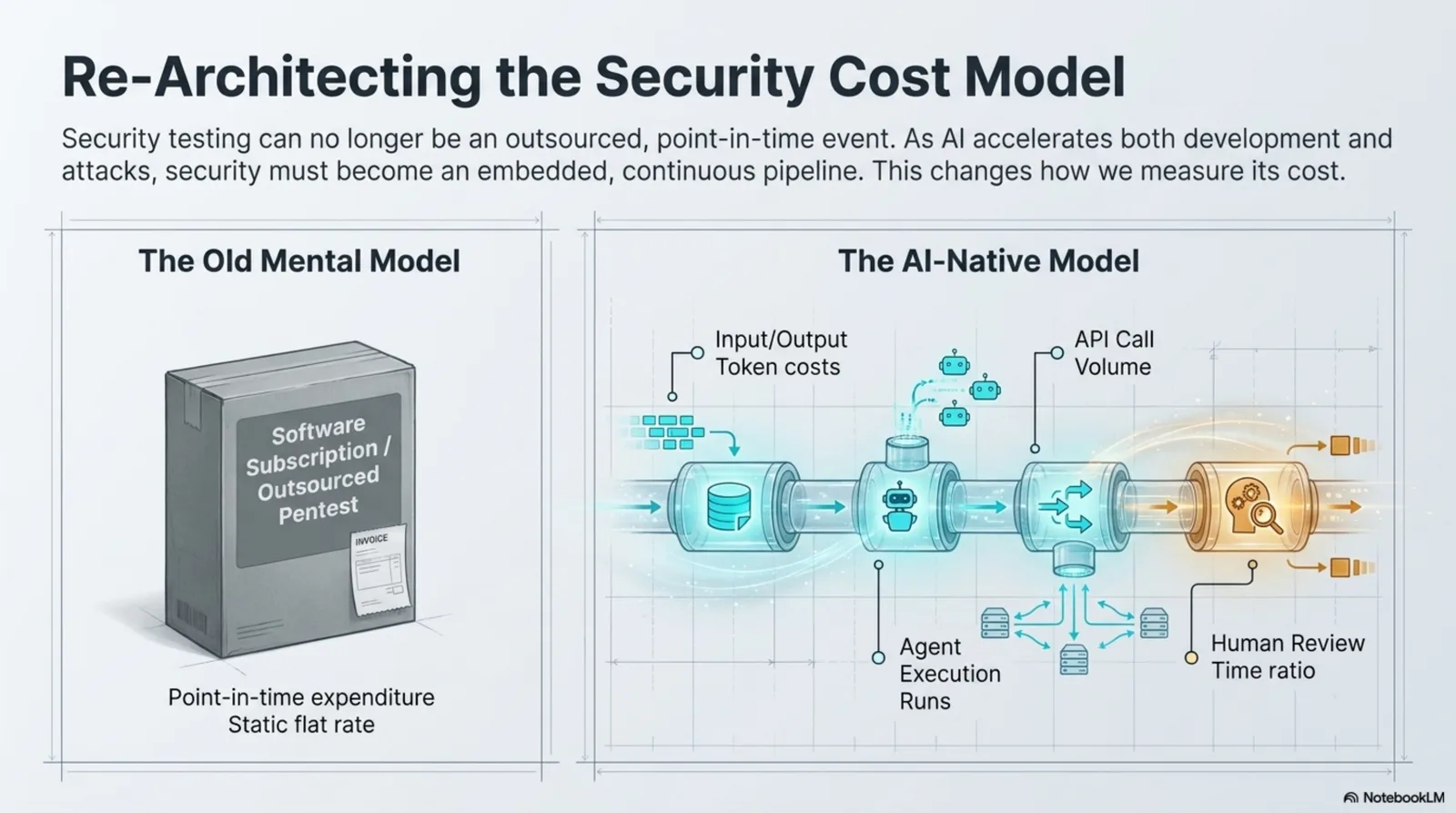
Security Assessment Becomes a Development Process, Not an Outsourced Event

AI-era security assessment is not primarily about reducing outsourcing cost. It is about embedding repeatable verification into the development process while separating automation candidates from human judgment.

May 1, 2026 · 10 min · 1927 words

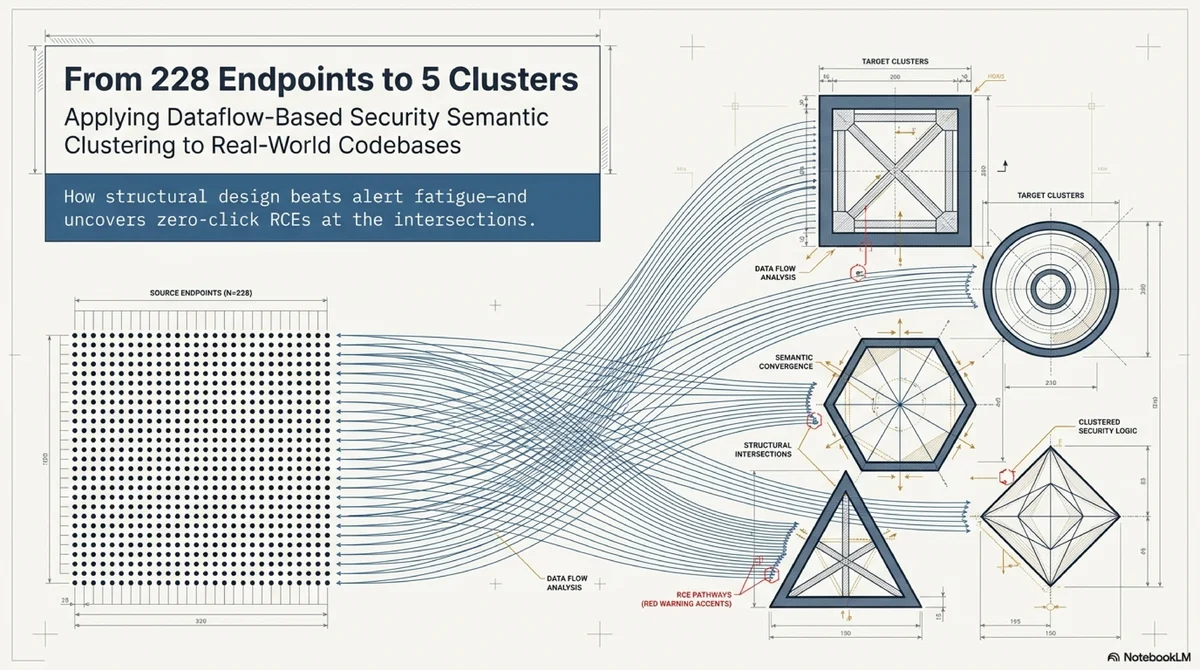
How I Turned 228 Endpoints into 5 Clusters

A practical account of applying dataflow-based clustering to a real codebase — reducing 228 endpoints to 5 reviewable clusters, and finding an RCE chain in the cross-section.

April 15, 2026 · 17 min · 3431 words

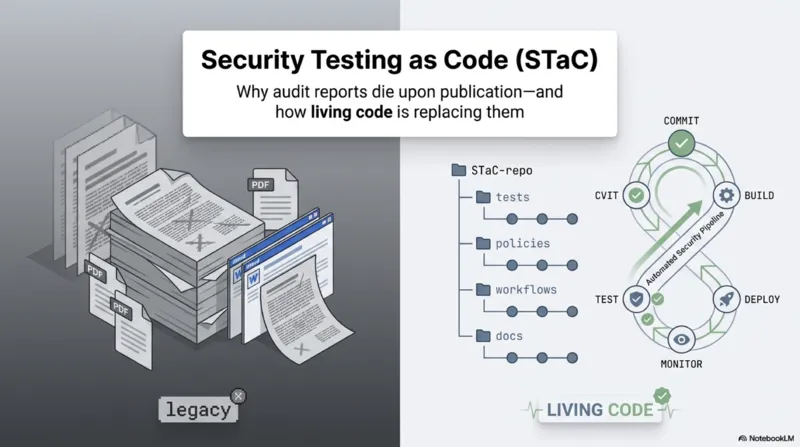
Security Diagnostics Reports Die Upon Publication

We point out the limitations of traditional security diagnostic reports and share the necessity and practical application cases of ‘Security Testing as Code’, managing diagnostic results not as ‘documents’ but as ’executable code (PoC)’.

March 17, 2026 · 6 min · 1209 words

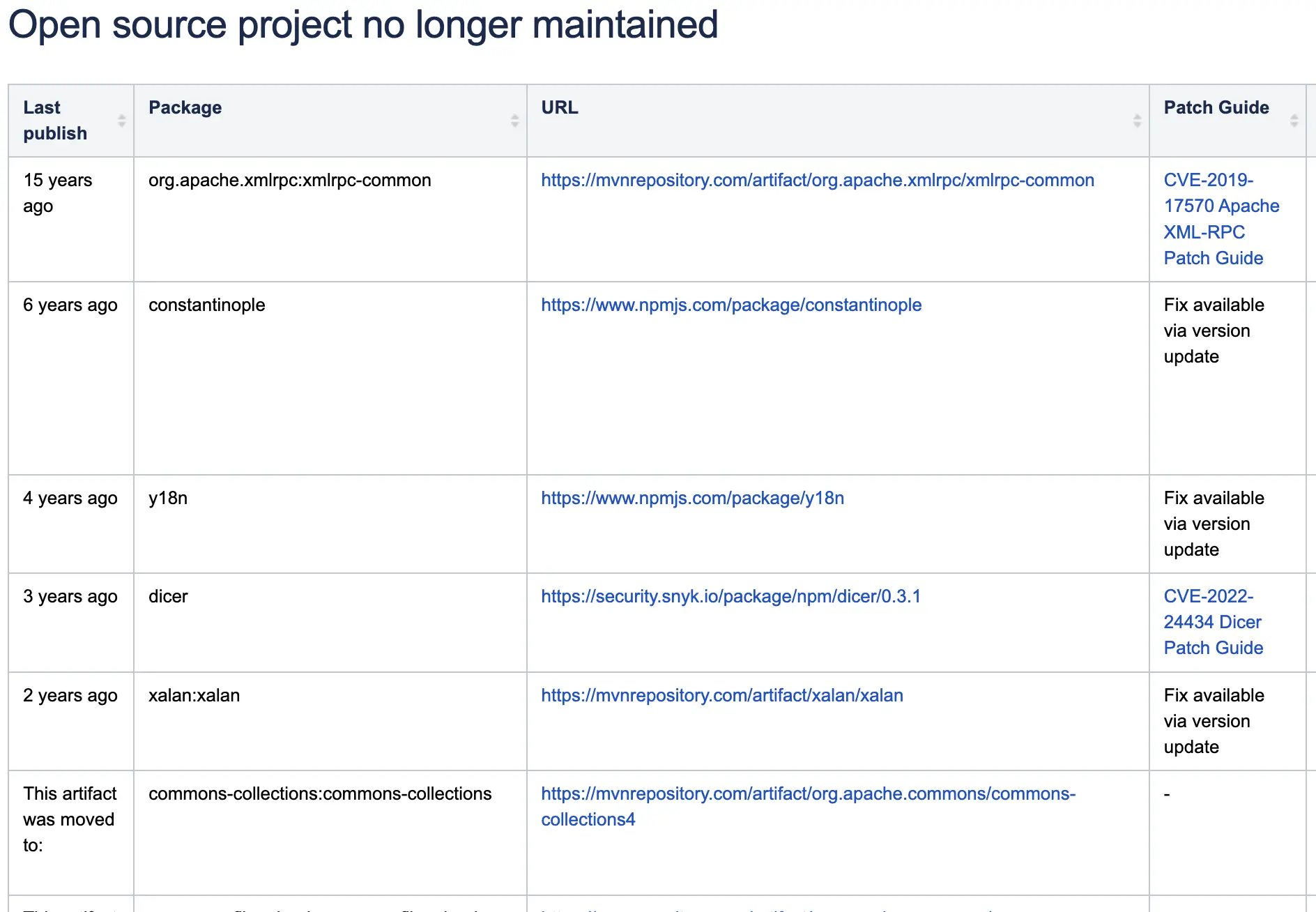
How I Managed Unmaintained Open Source with Gmail and Snyk Alerts

Automating Snyk vulnerability alert management with Google Apps Script and Gmail when official API access falls short.

May 12, 2025 · 5 min · 1049 words

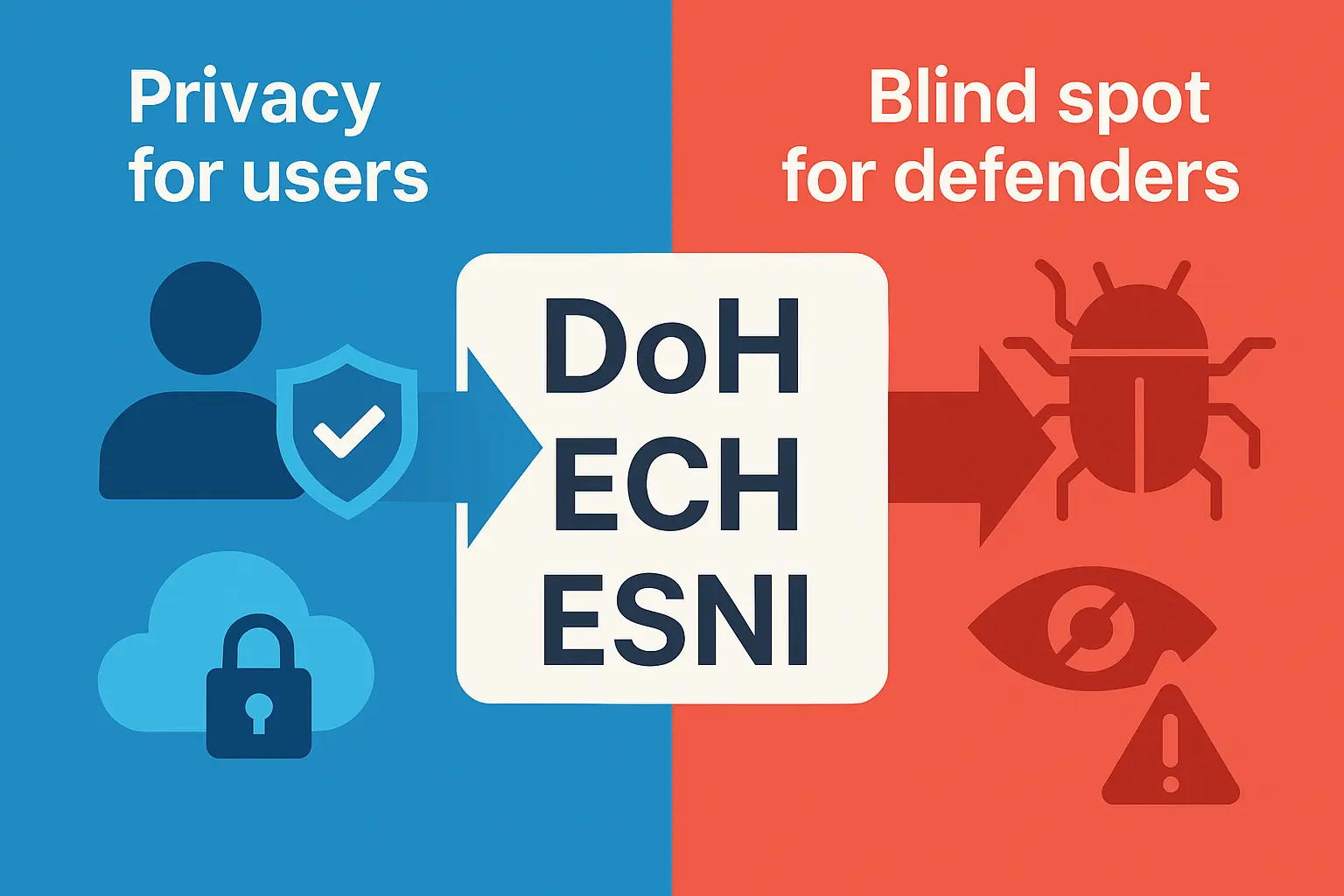
How to Block ECH and Mitigate DoH in Enterprise Networks

A hands-on guide using dnsmasq to filter SVCB and HTTPS records for disabling ECH and enforcing central DNS policies. Notes that DoH requires separate network-layer policies.

March 31, 2025 · 3 min · 468 words