






Representative Foreword

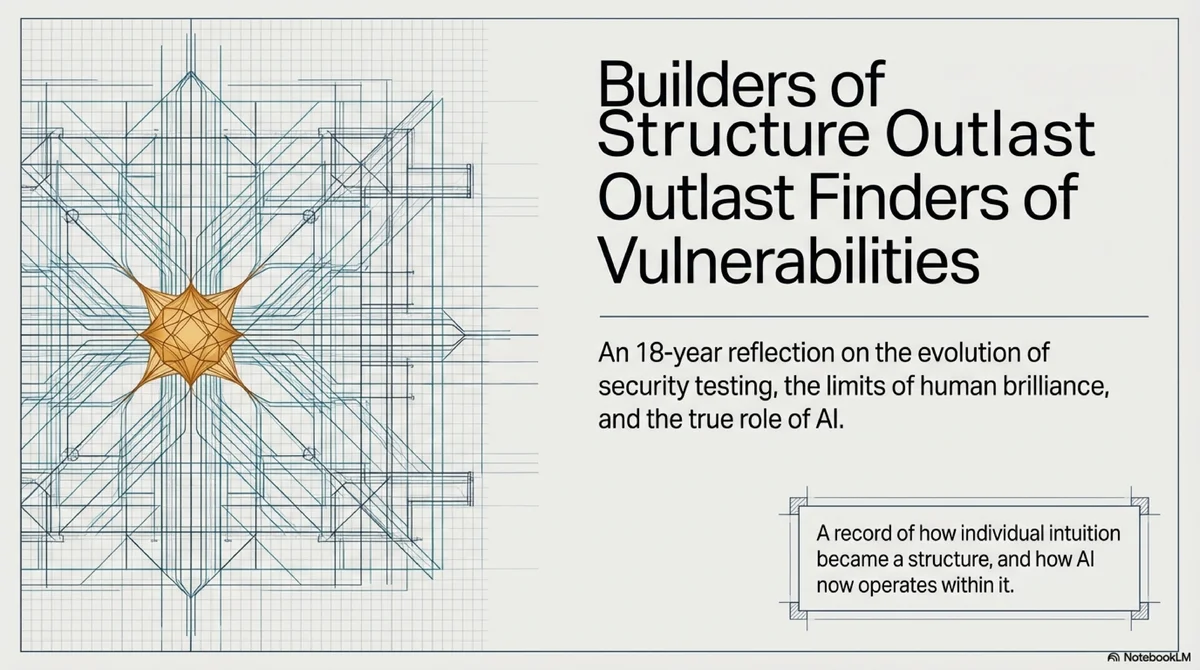
After the Code, the Structure Remains

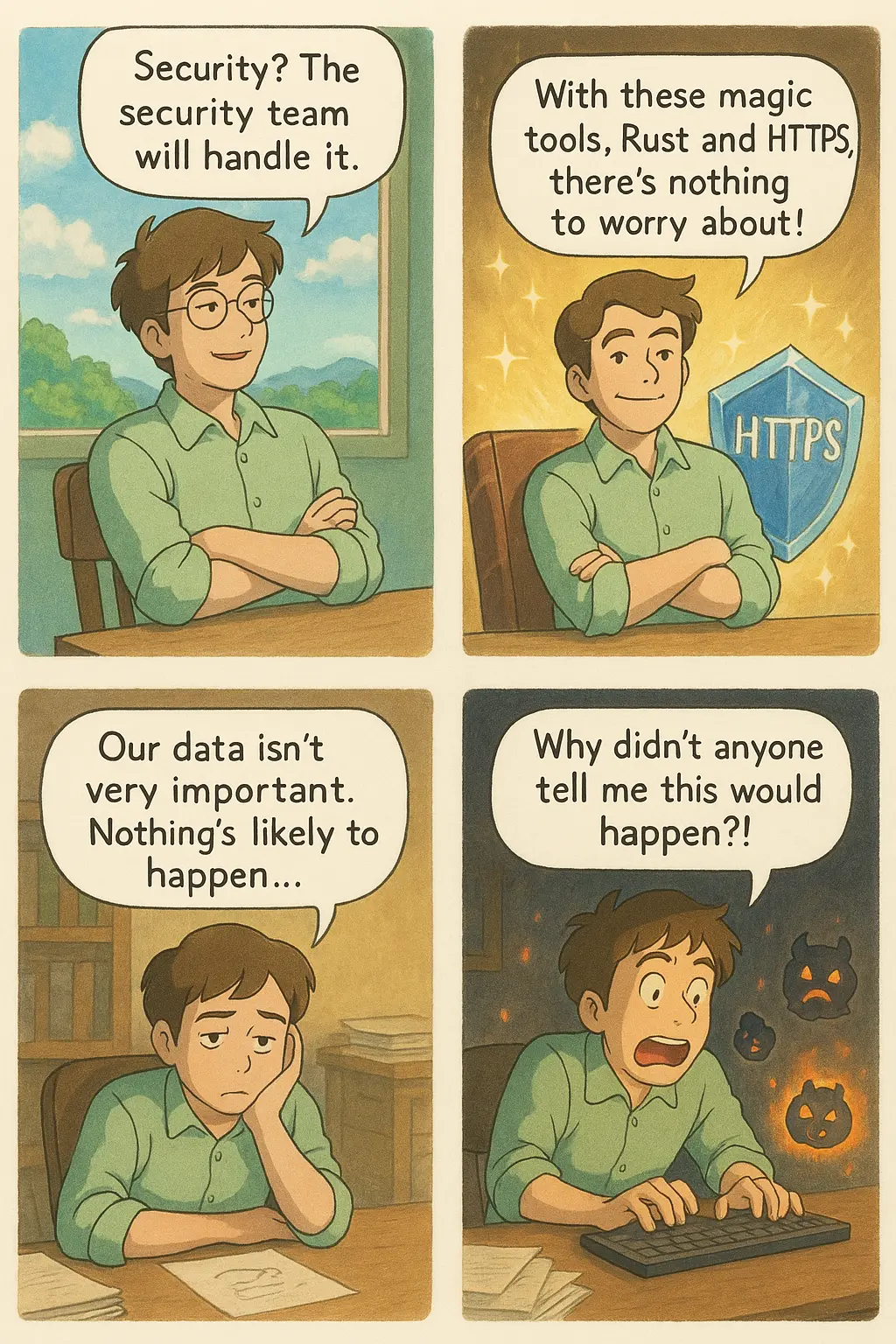
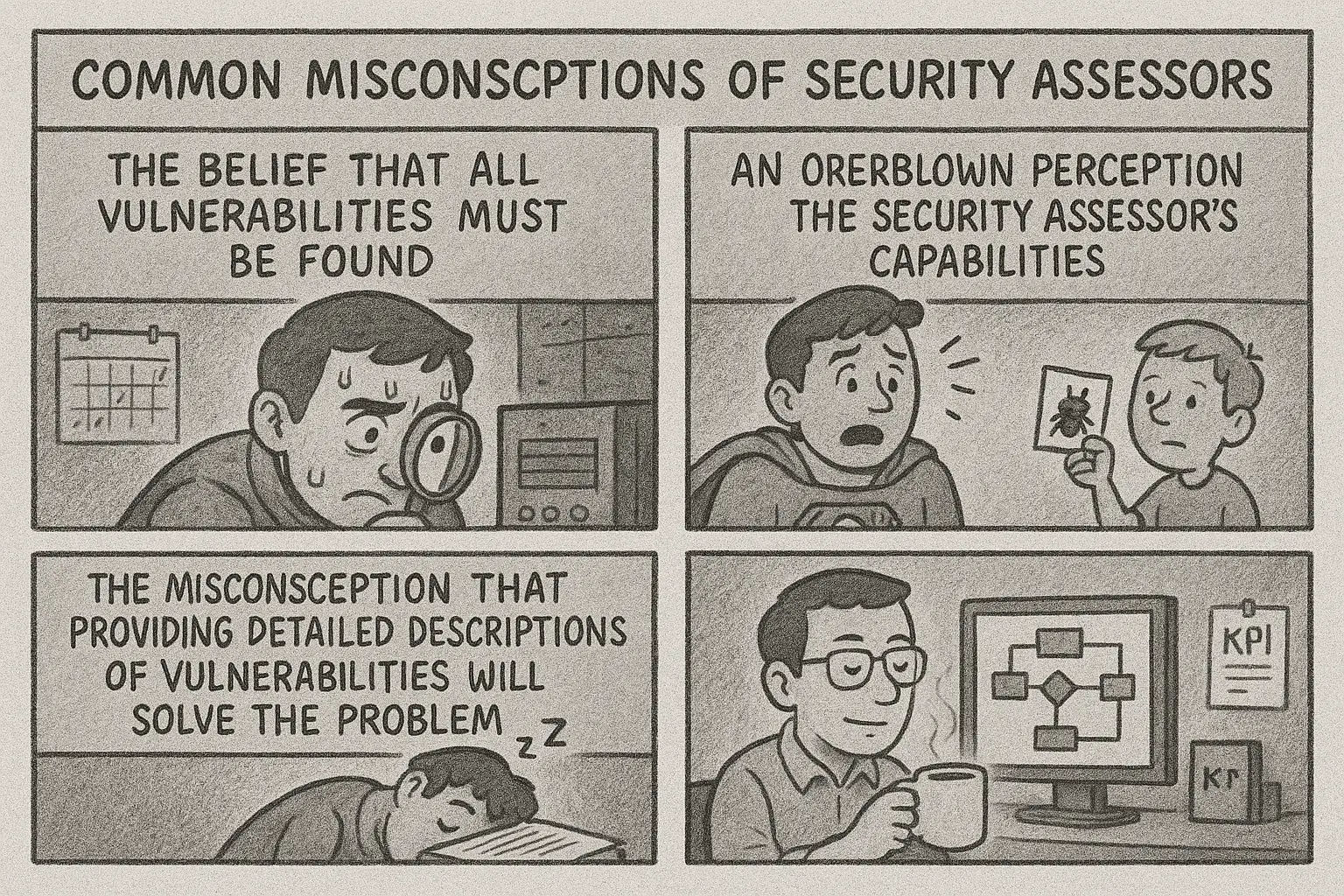
The representative foreword of this blog: security now fails less at finding issues than at absorbing, sustaining, and acting on what has already been found.

This essay frames the entire site first. The posts on technical analysis, method, and governance all start from this same problem statement.

After the Code, the Structure Remains

Detection, Method, Governance

🔥 A Mind That Dissects Systems

🔥 Trust and Culture Beyond Technology

🔥 Code That Fixes, Not Just Runs

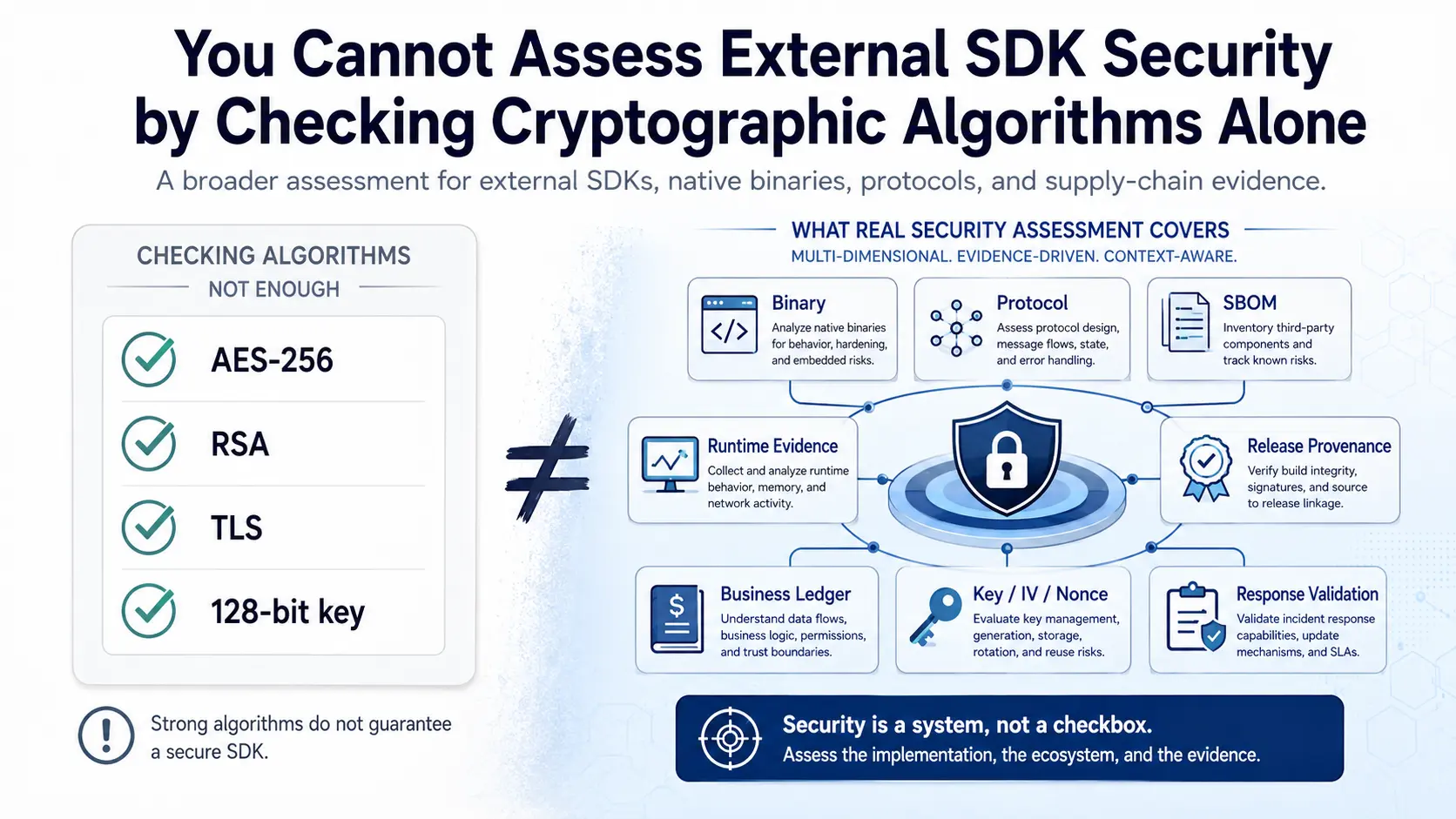
Checking cryptographic algorithms alone cannot assess external SDK security

You Cannot Assess the Security of External SDKs by Checking Cryptographic Algorithms Alone

Algorithm names like AES-256 or TLS reveal nothing about how keys are generated, who controls the endpoint, or whether a response binds to the real transaction. A broader, evidence-based assessment model for external SDKs and native binaries.


August 24, 2026 · 17 min · 3502 words
A hacker looking beyond the CTF flag toward the larger structure of enterprise security

Does Hiring the World's Best Hackers Improve Security?

Bringing world-class hackers and a CTF research ecosystem into an organization can make it stronger, but real security improvement requires turning offensive capability into governance and structural change.

August 10, 2026 · 17 min · 3489 words

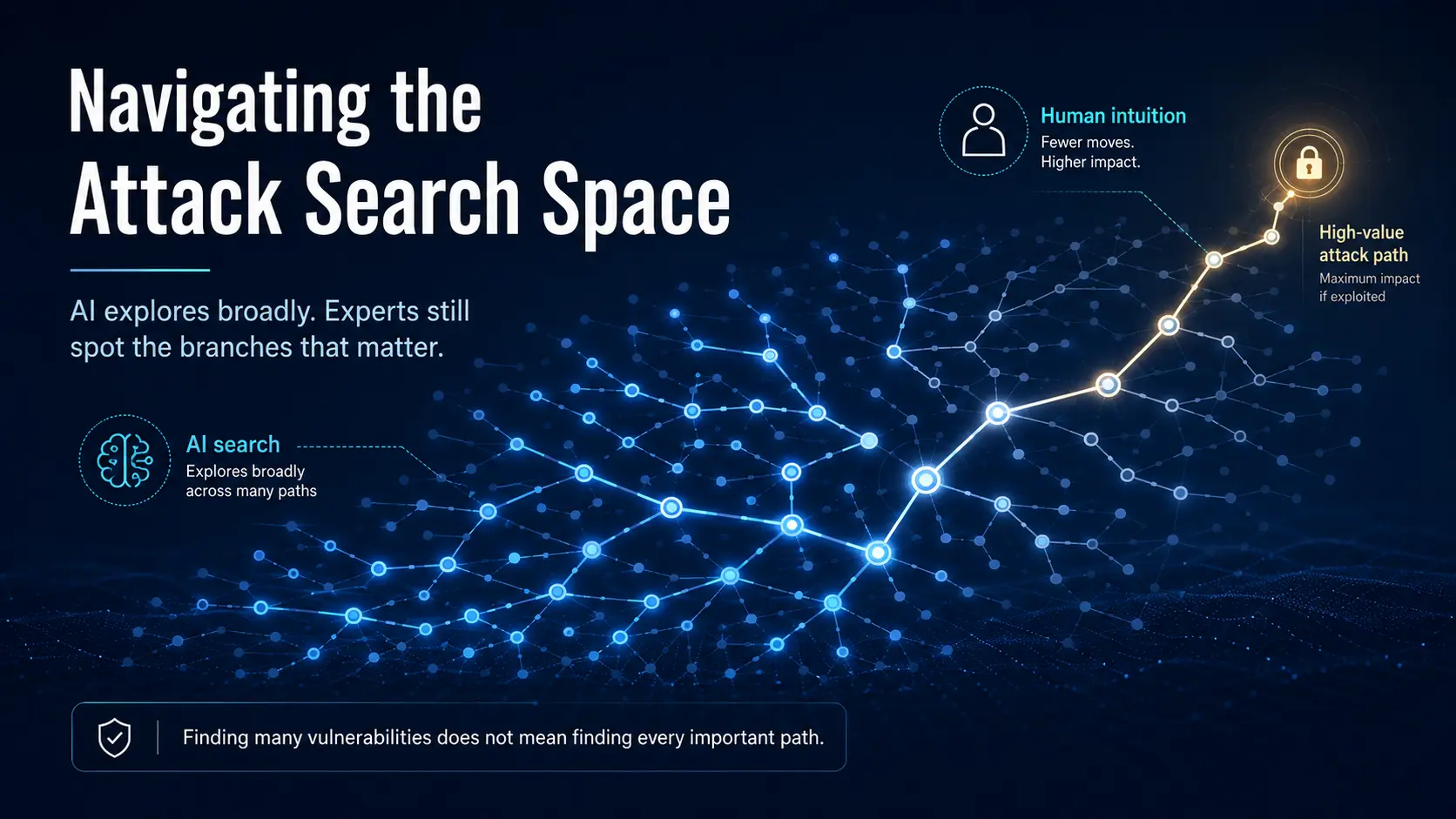
Finding Vulnerabilities Is Not the Same as Building Attack Scenarios

A practical method for modeling vulnerabilities as attacker-relevant security state transitions and combining human intuition with bounded AI search

August 3, 2026 · 24 min · 4951 words
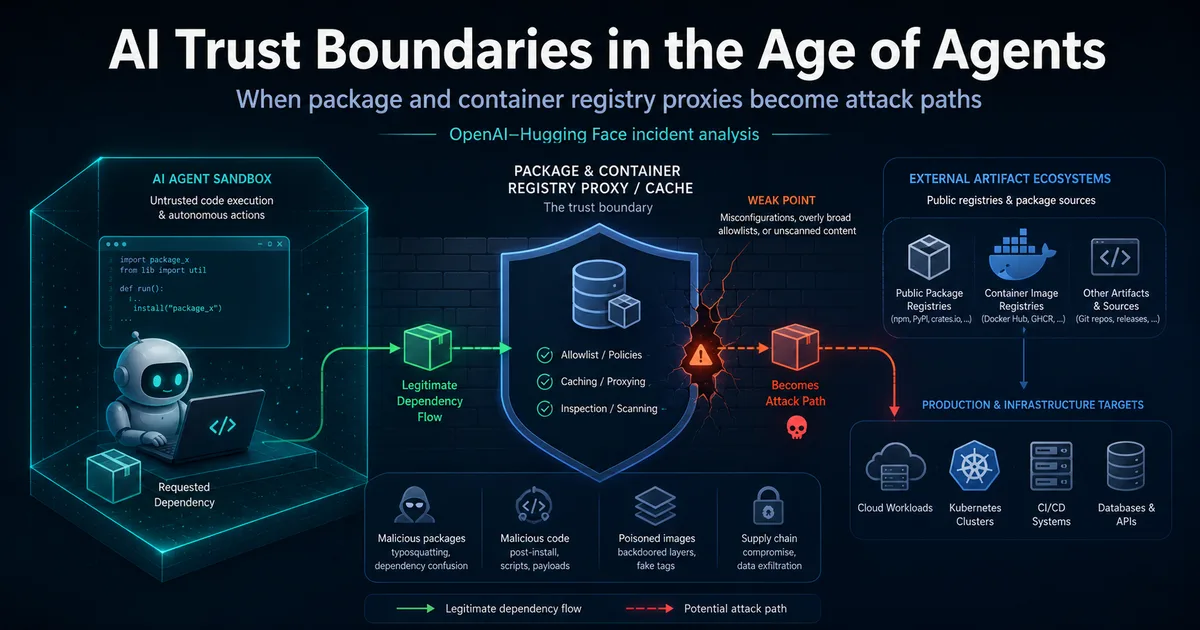
AI trust boundaries around a package and container registry proxy

AI Package and Container Registry Boundaries: Egress Control Architecture for AI Runtimes

Package and container registry proxies are active trust boundaries for AI runtimes. This report turns incident evidence, public SSRF history, and runtime observations into an artifact egress control architecture.

July 27, 2026 · 16 min · 3246 words

The Real Battleground of National AI Strategy Is Not Just GPU Count

The decisive front in national AI strategy is not GPU count alone, but who controls and can prove the flow of data, models, agents, permissions, logs, and verification running on top of those GPUs.

May 24, 2026 · 11 min · 2212 words

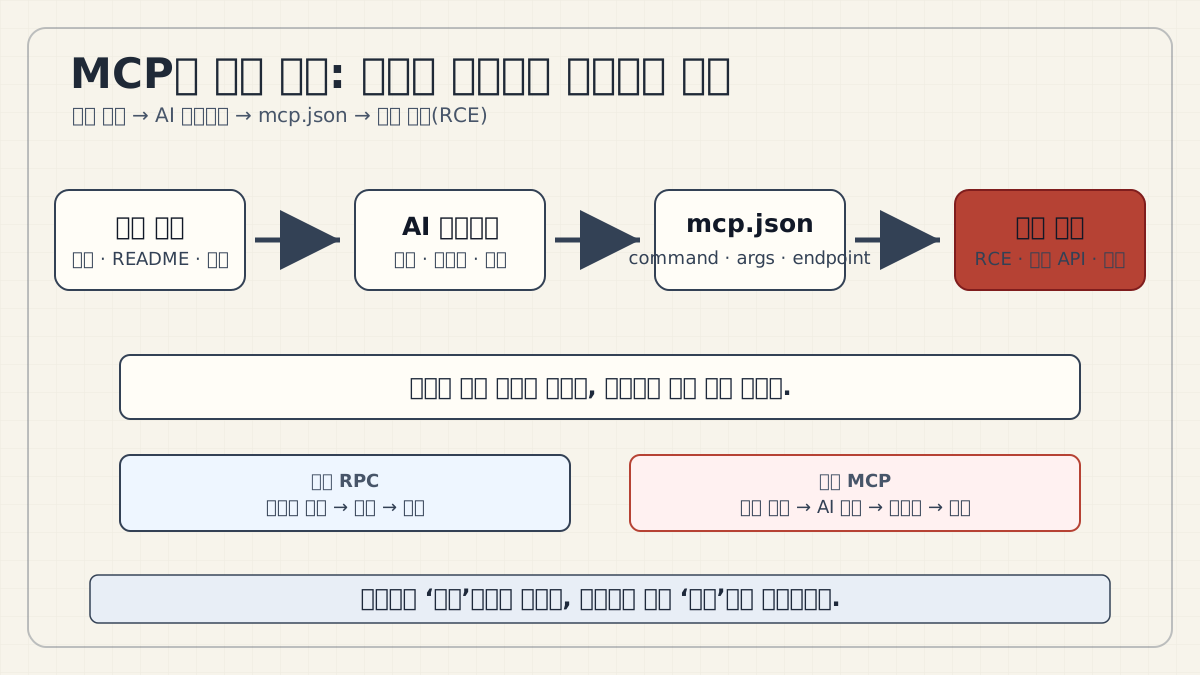
MCP Is Repeating the History of RPC Security

MCP security risks are not about prompt injection. They stem from the same configuration-to-execution escalation pattern that has plagued RPC, local security software, and CI/CD pipelines for decades.

May 7, 2026 · 5 min · 895 words

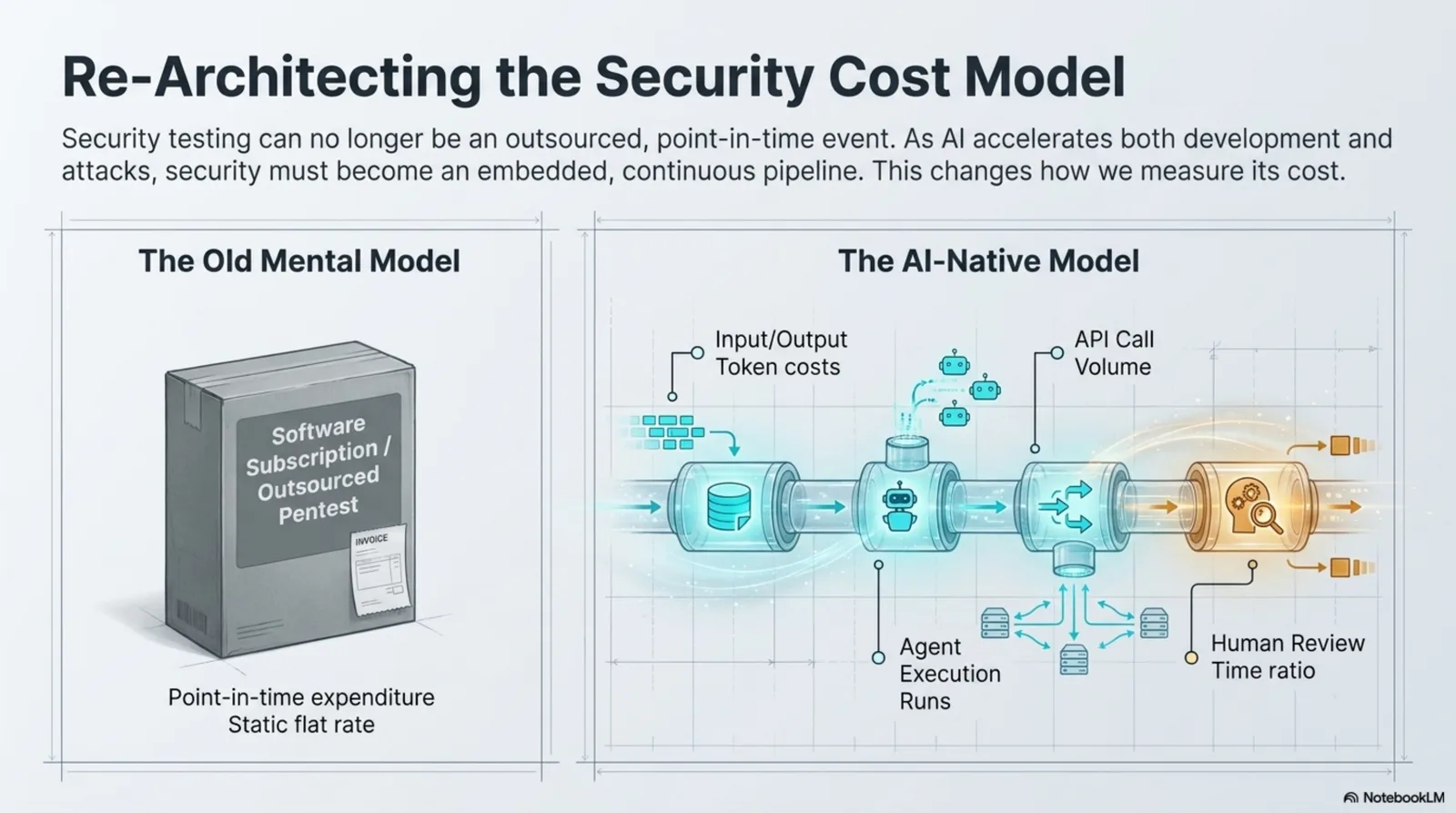
Security Assessment Becomes a Development Process, Not an Outsourced Event

AI-era security assessment is not primarily about reducing outsourcing cost. It is about embedding repeatable verification into the development process while separating automation candidates from human judgment.

May 1, 2026 · 10 min · 1927 words

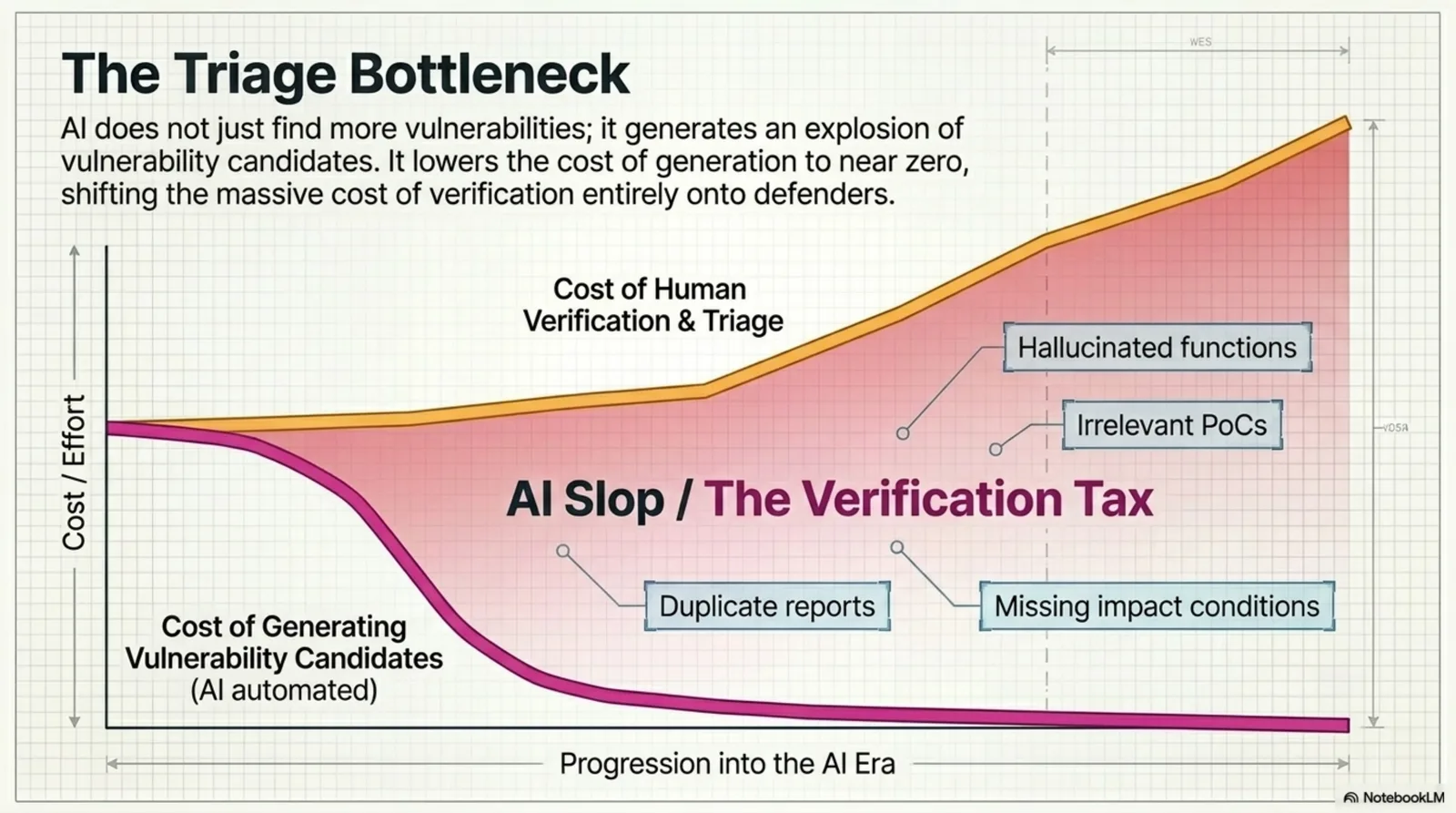
The AI Slop Paradox: Why Triage Gets Harder When Vulnerabilities Get Easier to Find

AI lowers the cost of finding vulnerability candidates, but it also increases low-quality reports, duplicates, and false positives. In the AI slop era, triage quality becomes the core security operation.

April 30, 2026 · 7 min · 1480 words

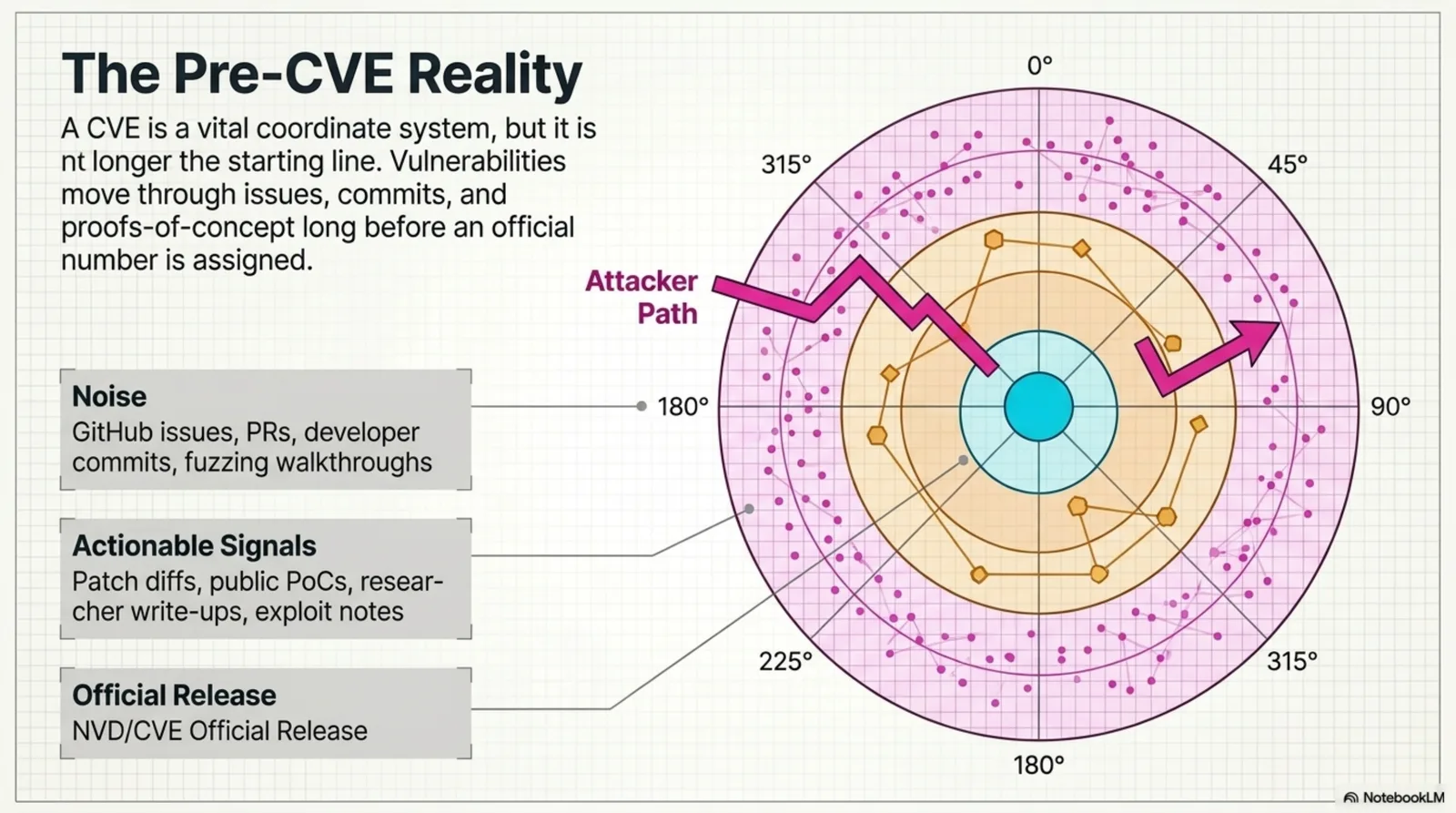
Beyond CVE Response: AI-Era Vulnerabilities Move Before They Get Numbers

AI-era vulnerability response cannot wait for a CVE number. Pre-CVE signals such as issues, commits, PoCs, write-ups, and patch traces now have to be mapped against internal exposure earlier.

April 29, 2026 · 7 min · 1451 words