




Korean Security Governance Is Accelerating in the Wrong Direction in the AI Era
Korean security governance in the AI era needs to change not the title of any one agency, but the behavior that evaluation rewards.
Representative Foreword
The representative foreword of this blog: security now fails less at finding issues than at absorbing, sustaining, and acting on what has already been found.
This essay frames the entire site first. The posts on technical analysis, method, and governance all start from this same problem statement.

Detection, Method, Governance
Korean security governance in the AI era needs to change not the title of any one agency, but the behavior that evaluation rewards.
The representative foreword of this blog: security now fails less at finding issues than at absorbing, sustaining, and acting on what has already been found.
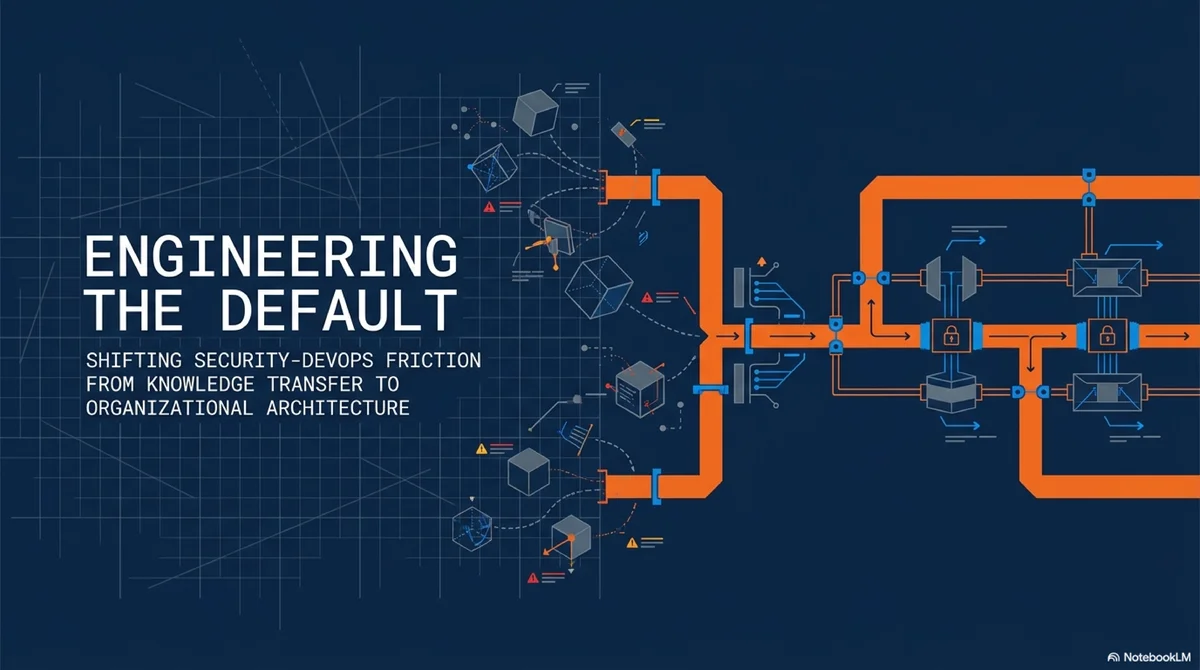
An organizational design report that reframes the security–DevOps problem from failed knowledge transfer to default design, interfaces, exception handling, and alignment.
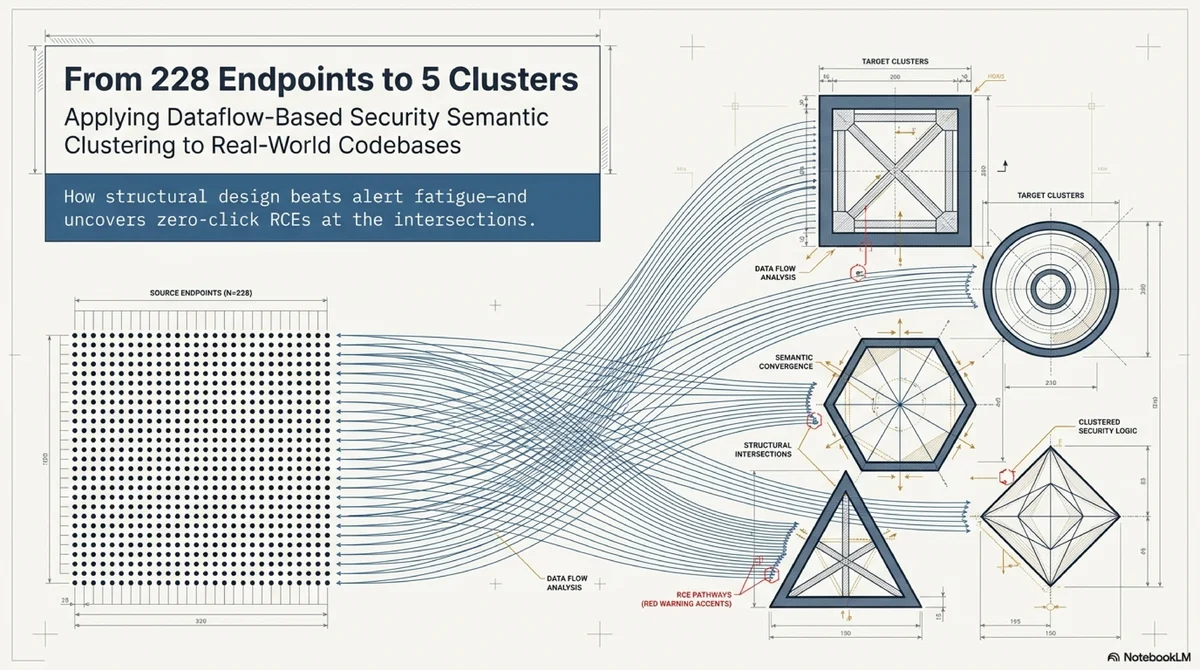
A practical account of applying dataflow-based clustering to a real codebase — reducing 228 endpoints to 5 reviewable clusters, and finding an RCE chain in the cross-section.
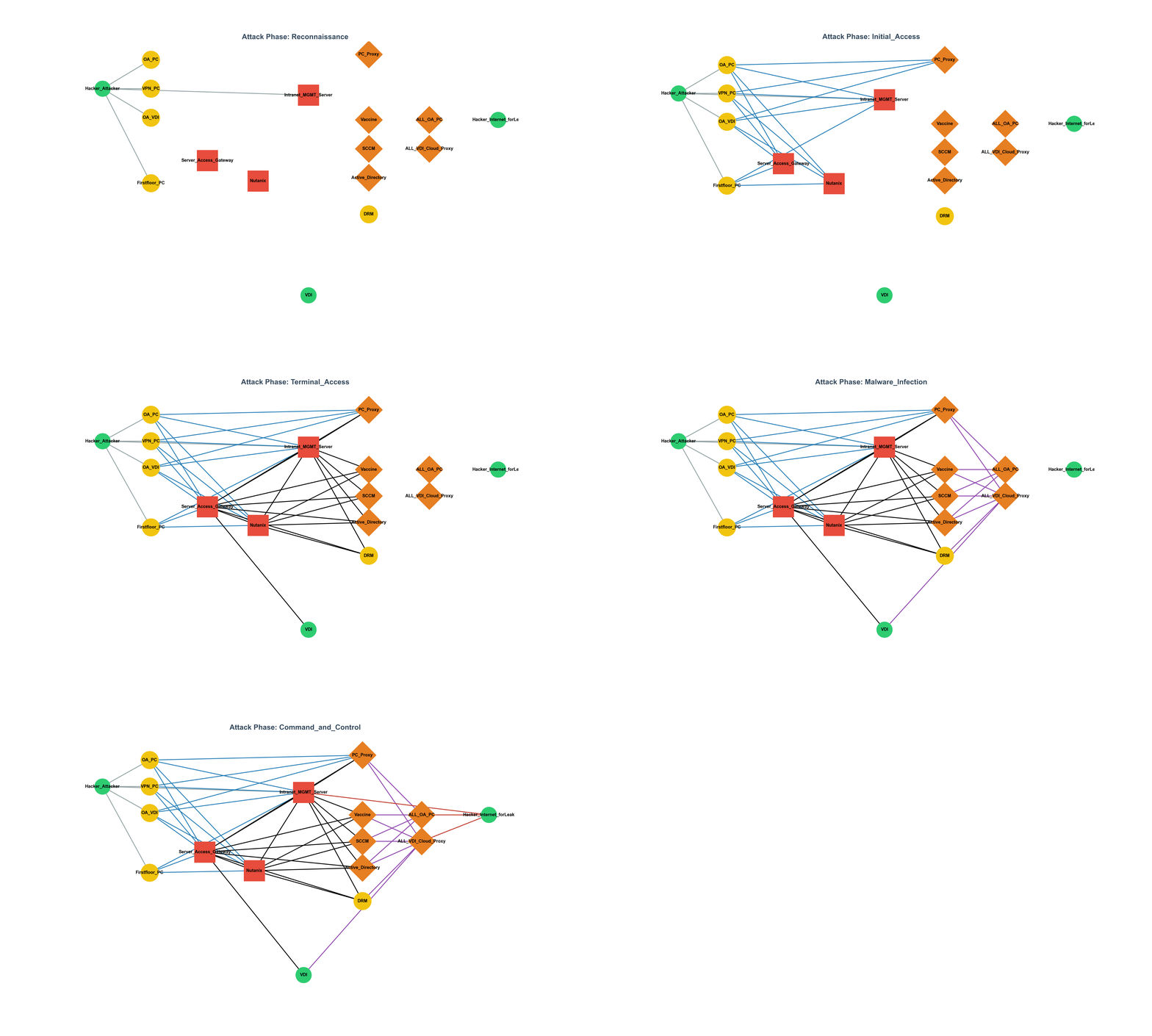
How Korea’s CaaS supply chain reproduces itself through the recycling loop of points, gift cards, and crypto — and why defending against it requires reading the entire behavioral network, not just the login page.
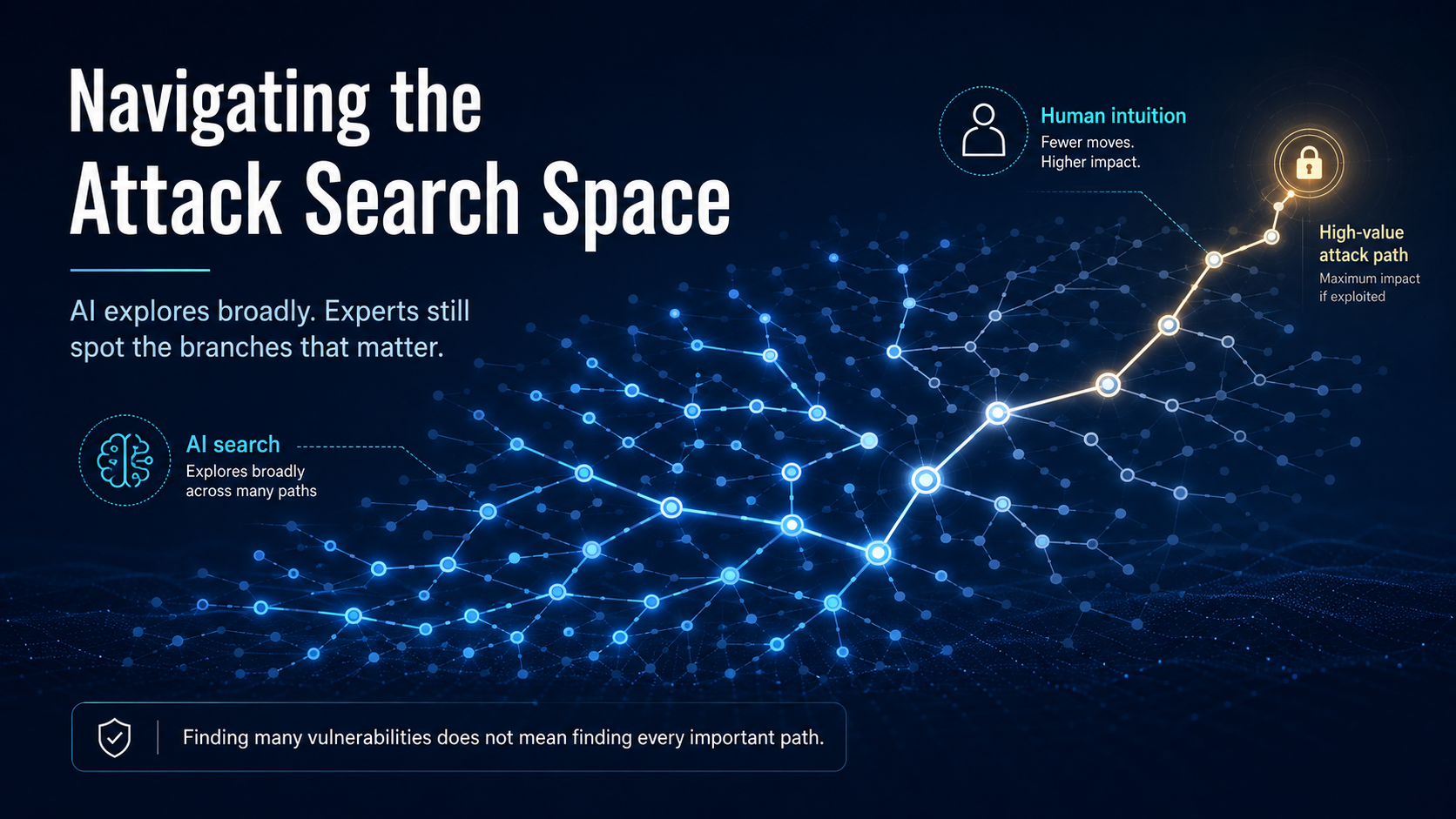
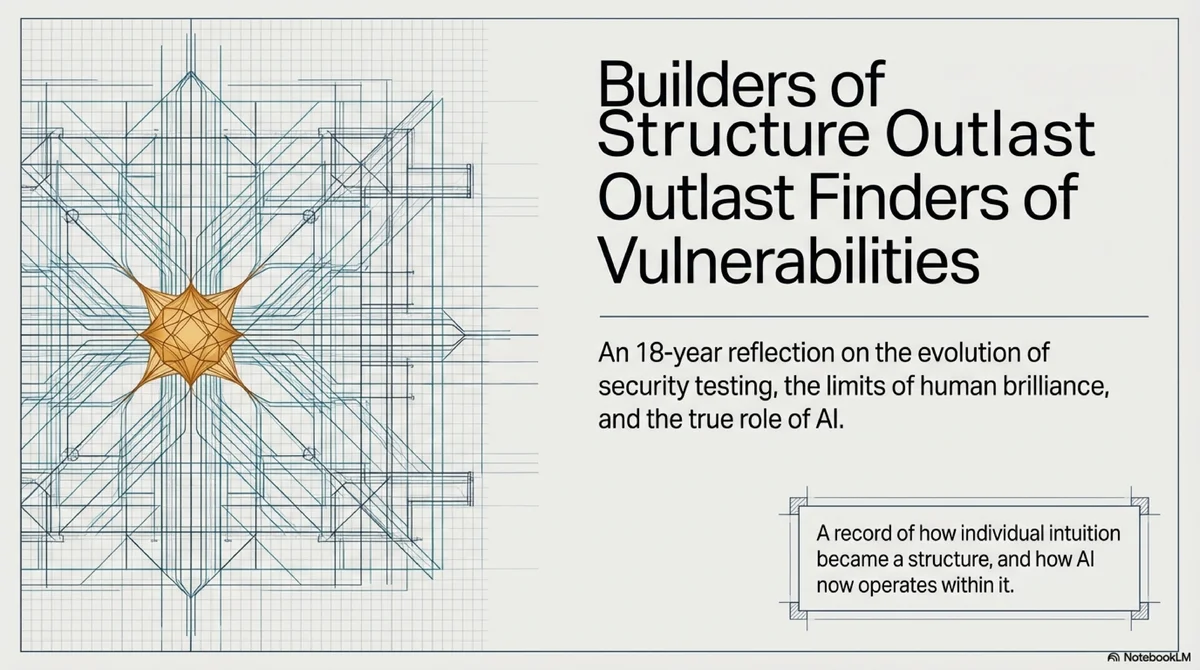
18 years of vulnerability hunting distilled into one insight: the shift from individual instinct to scalable structure — and what AI means for those left standing.
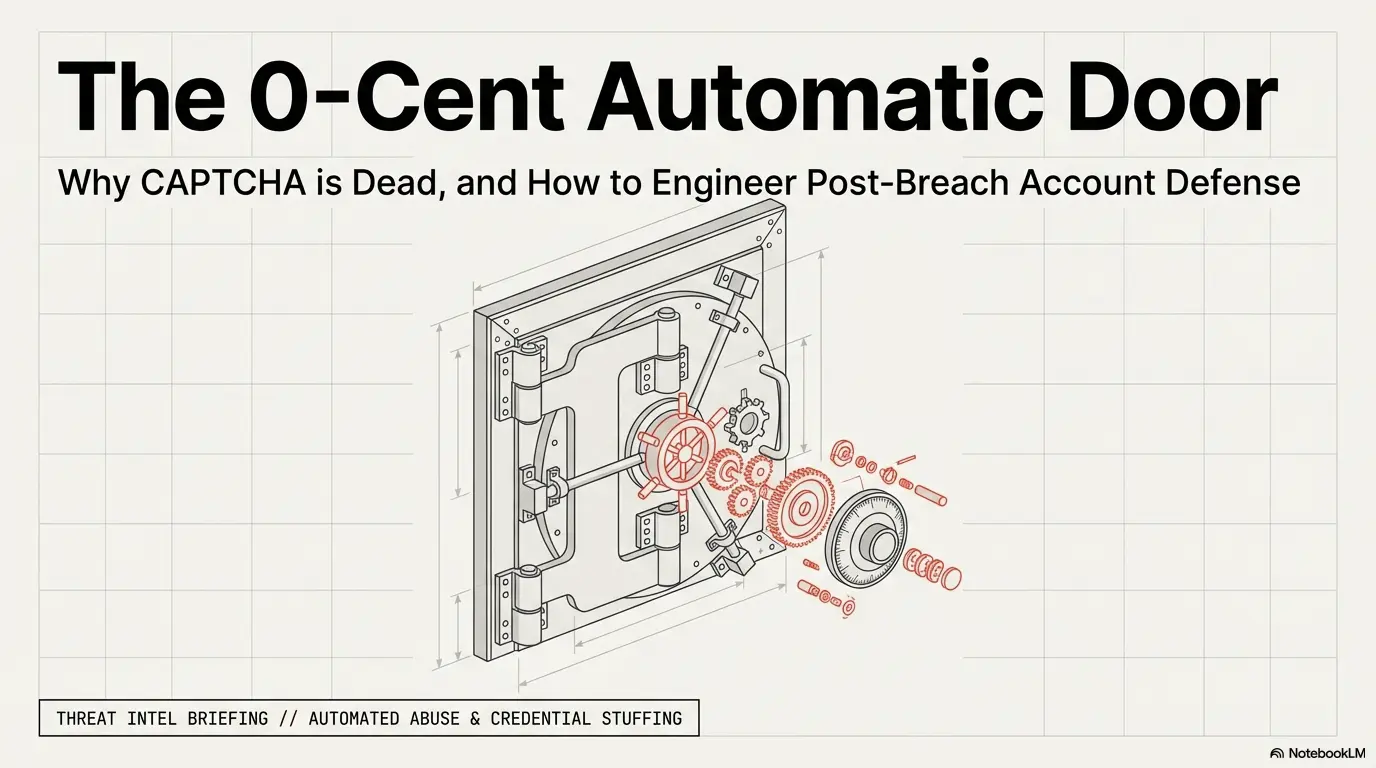
A practical look at an audio CAPTCHA bypass PoC built with Playwright, Whisper, and Page-Agent, plus the login defenses that still matter after CAPTCHA falls.
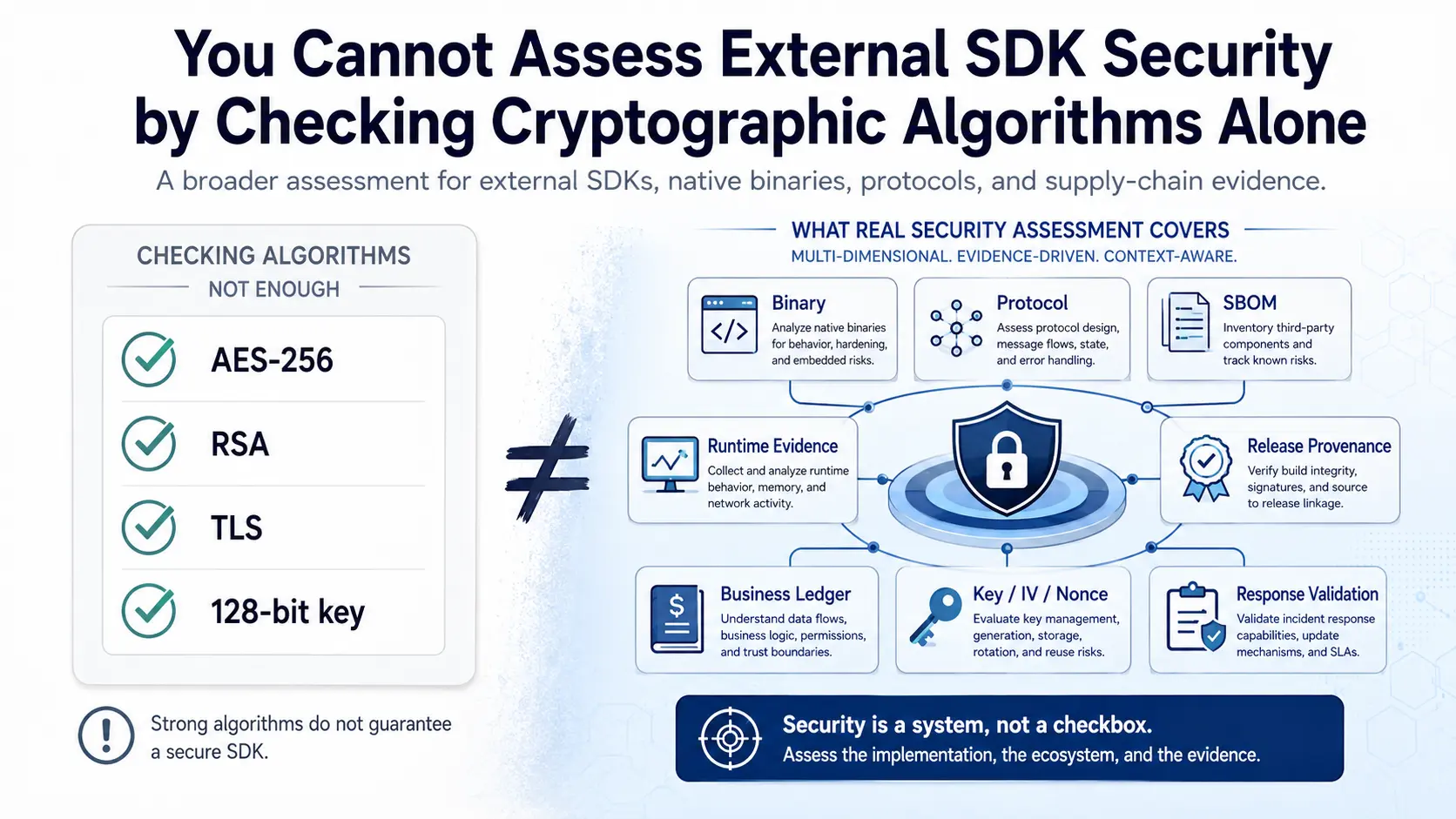
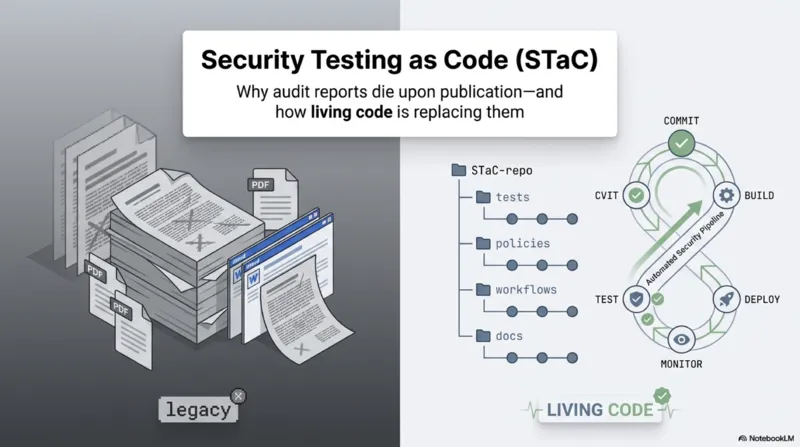
We point out the limitations of traditional security diagnostic reports and share the necessity and practical application cases of ‘Security Testing as Code’, managing diagnostic results not as ‘documents’ but as ’executable code (PoC)’.
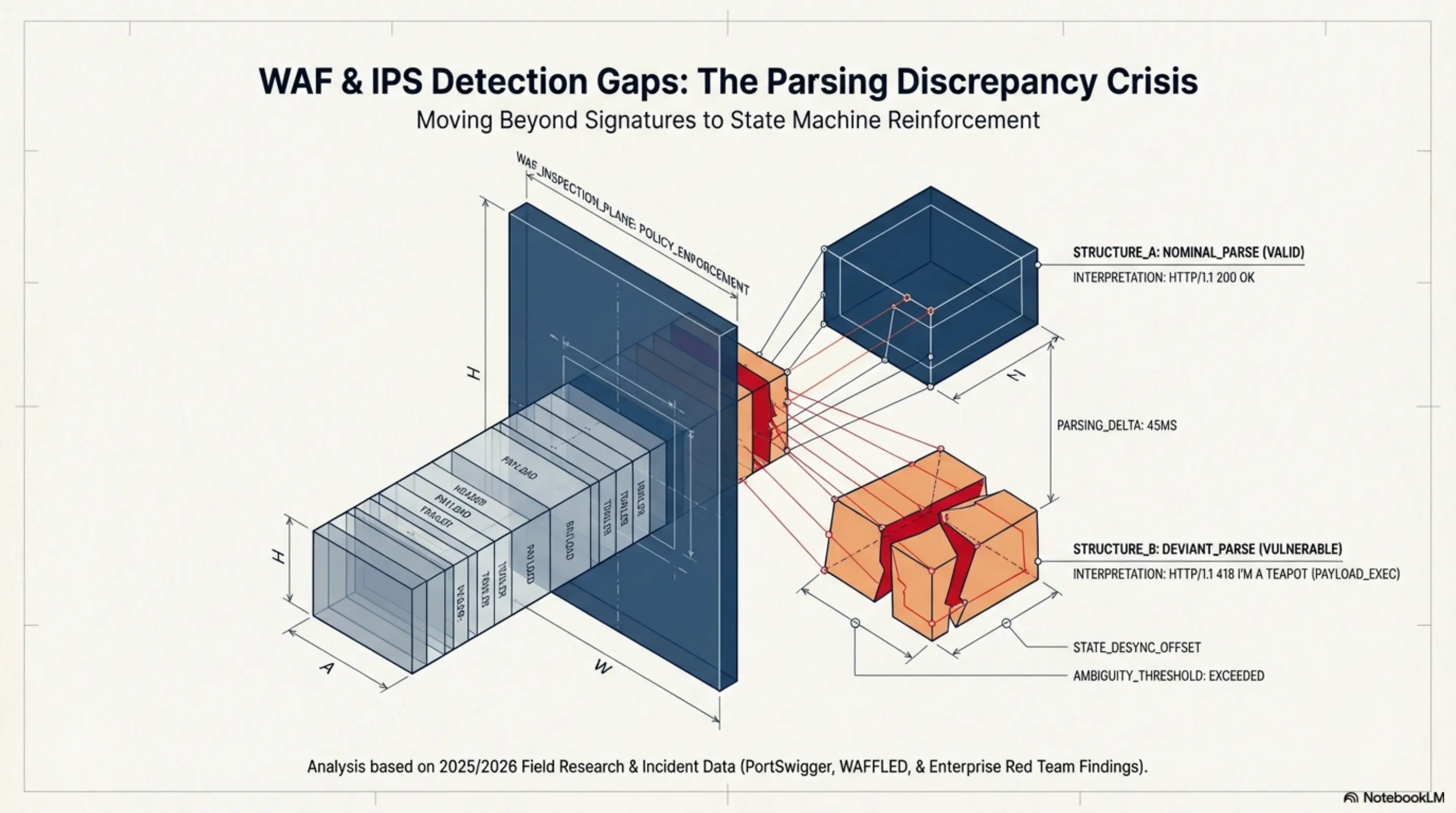
Structural analysis of WAF, IPS, and IDS detection gaps from parsing discrepancies, with a practical remediation taxonomy.
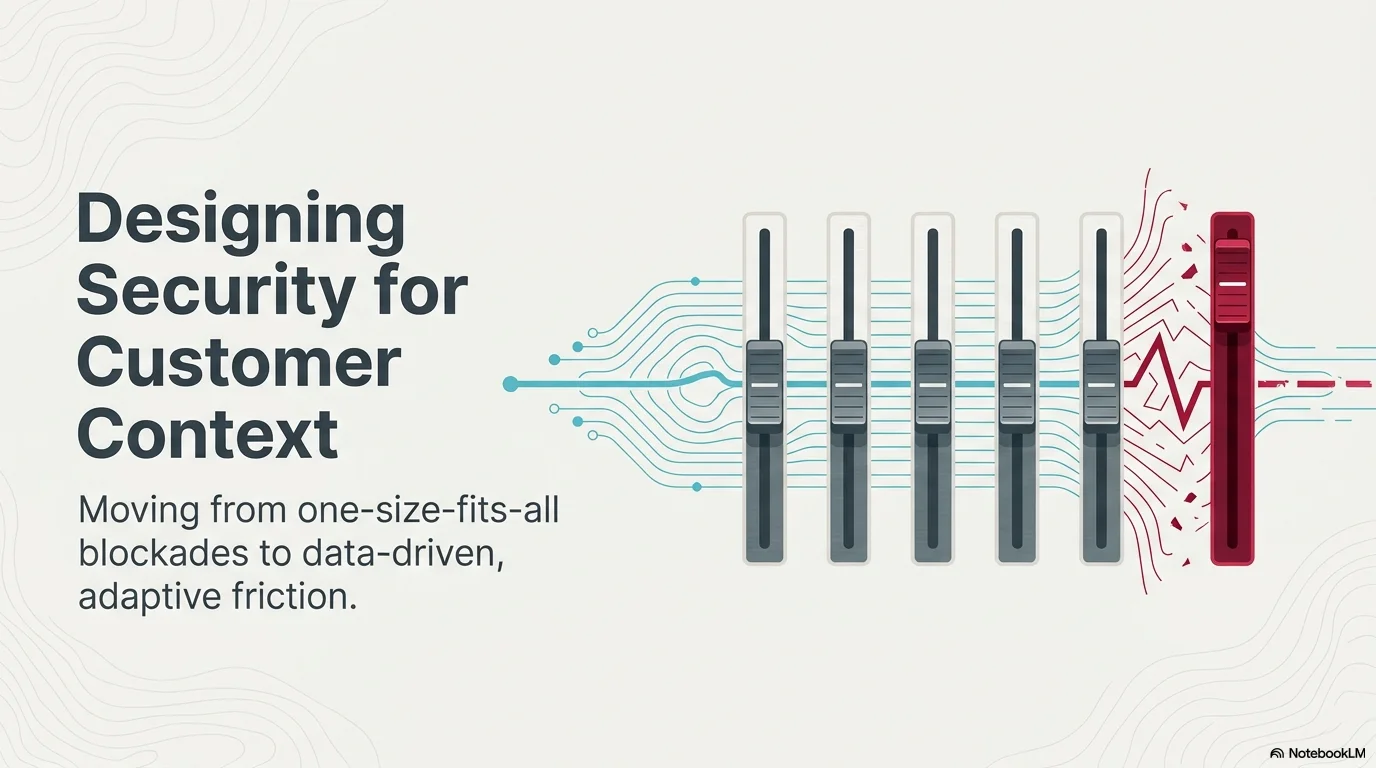
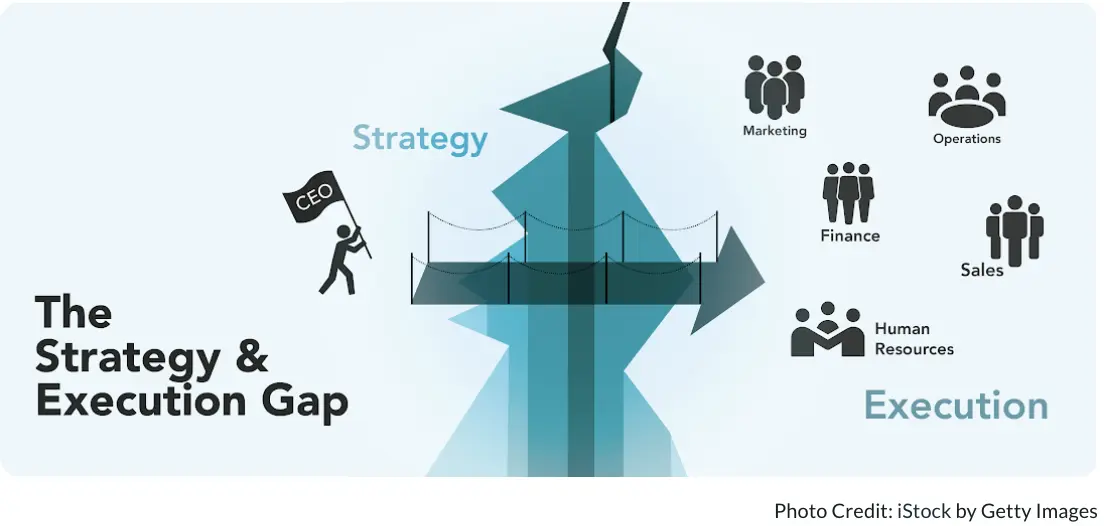
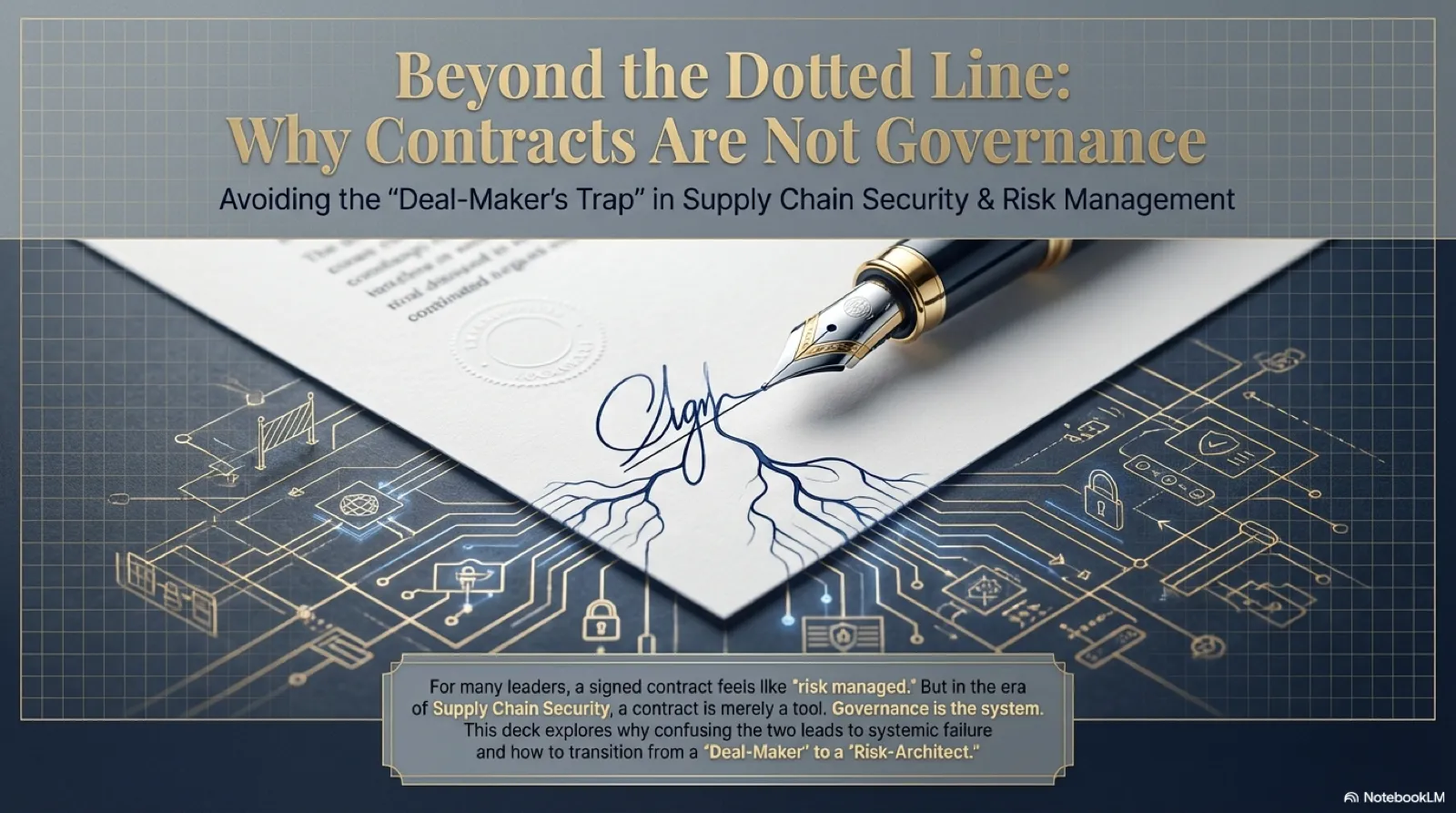
Why security governance must drive decisions before contracts enforce them—a structural reframing for security leadership.