









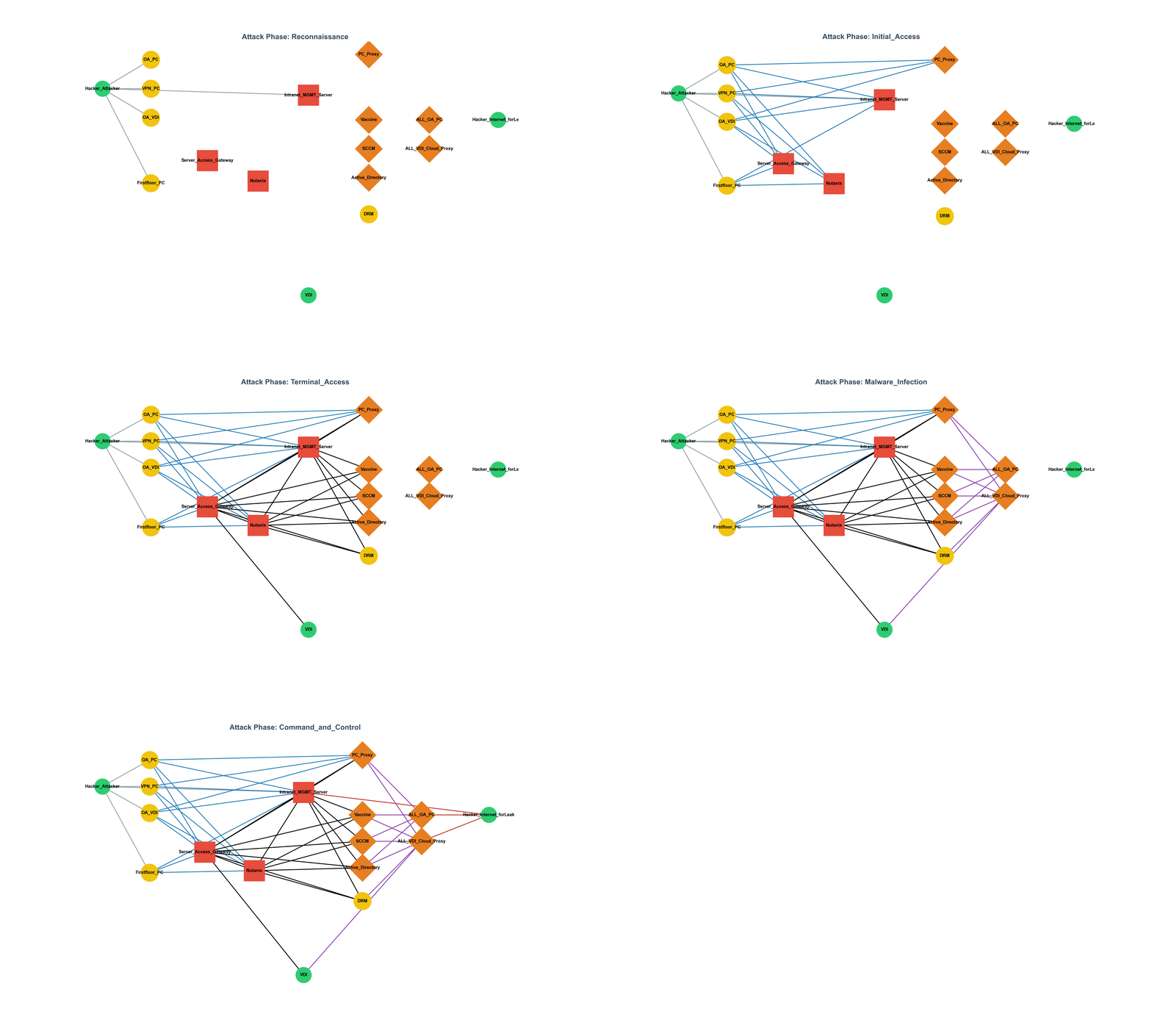








Amadey Malware: A Comparative Study of Static Detection vs Memory-Based Detection
Comparing static vs memory-based malware detection using Amadey, showing why runtime YARA rules outperform file-hash approaches.
Representative Foreword
The representative foreword of this blog: security now fails less at finding issues than at absorbing, sustaining, and acting on what has already been found.
This essay frames the entire site first. The posts on technical analysis, method, and governance all start from this same problem statement.

Detection, Method, Governance
Comparing static vs memory-based malware detection using Amadey, showing why runtime YARA rules outperform file-hash approaches.
How transparent internal vulnerability visibility drives remediation through accountability and deterrence without formal punishment.
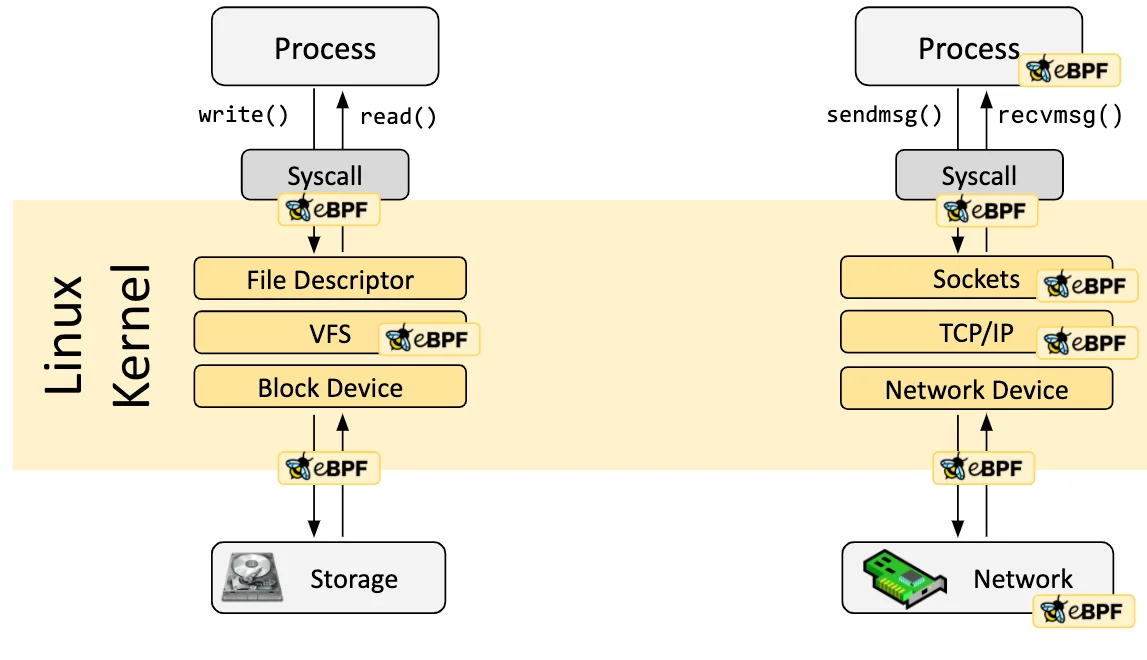
A technical analysis of how BYOI, BYOVD, DLL hijacking, and service abuse shifted endpoint attacks from EDR bypass to EDR kill between 2020 and 2025.
Graph-based analysis of Single Points of Failure in cybersecurity, using weighted path enumeration to identify critical infrastructure nodes.
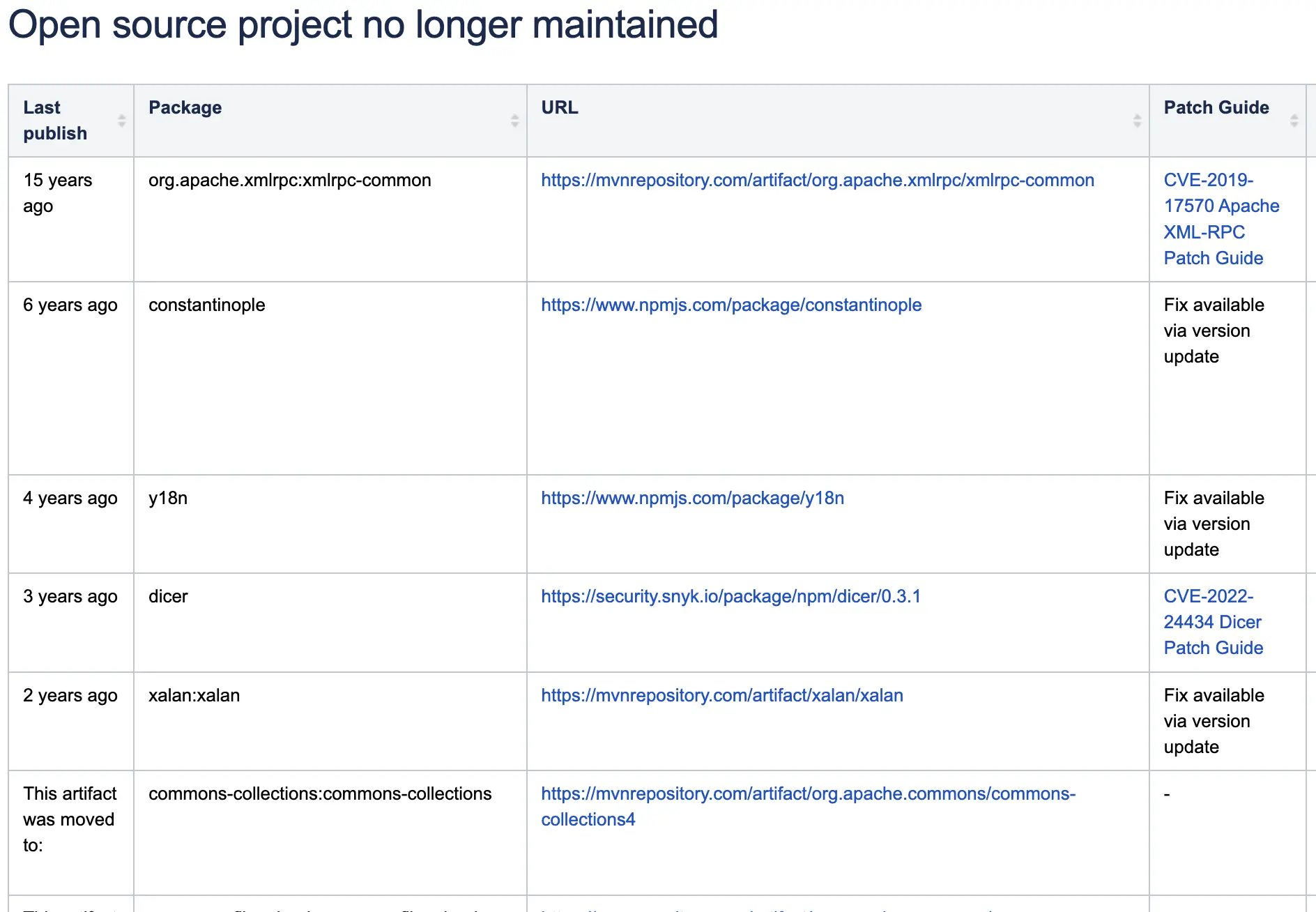
Mitigation guide for CVE-2022-24434 in the Dicer module affecting Multer and Express, with practical dependency chain fixes.
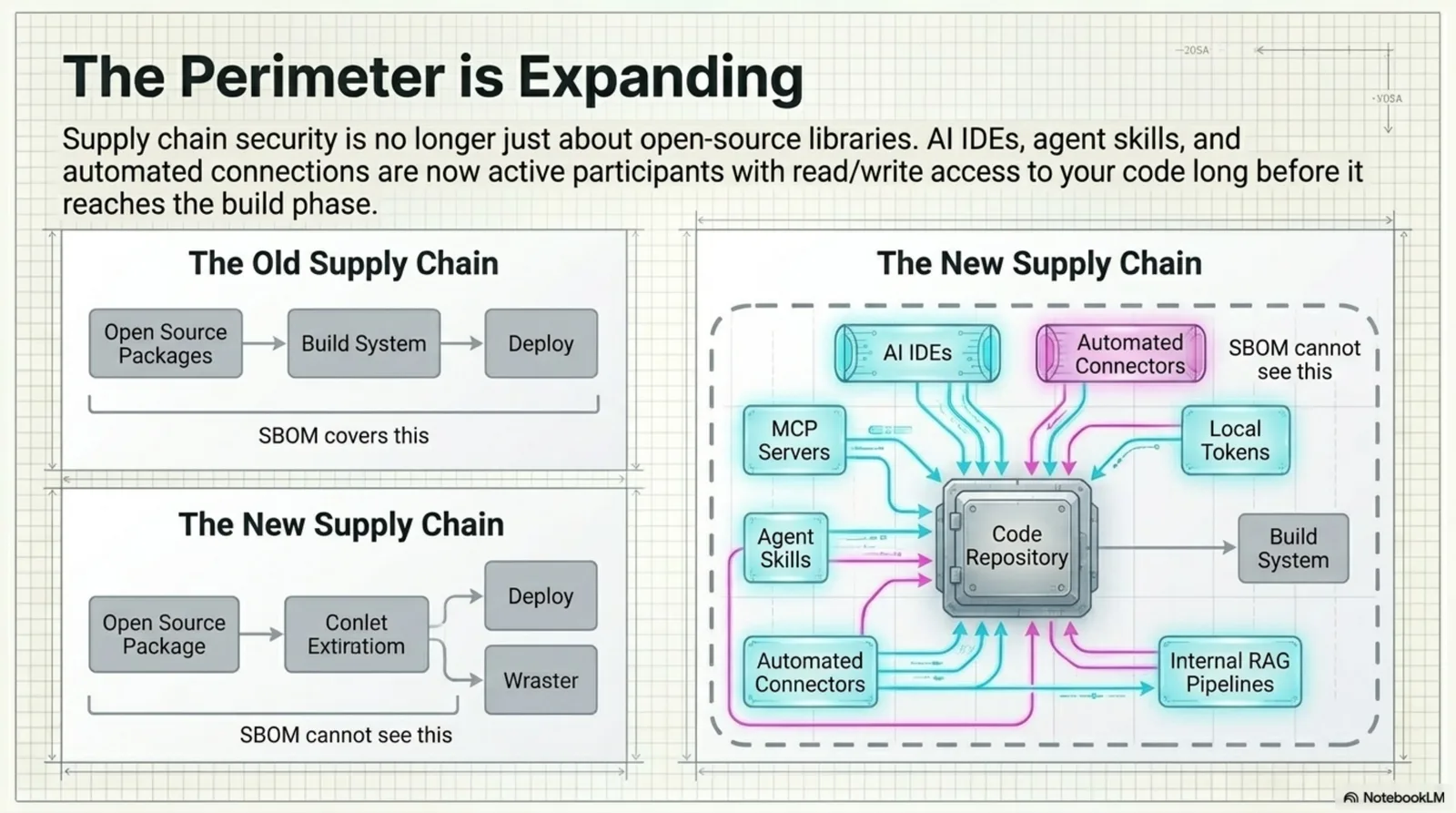
Automating Snyk vulnerability alert management with Google Apps Script and Gmail when official API access falls short.
Analysis of the 2025 KakaoPay breach exposing 40M users’ data, and why formal consent fails without AI-based DPIA and civic oversight.
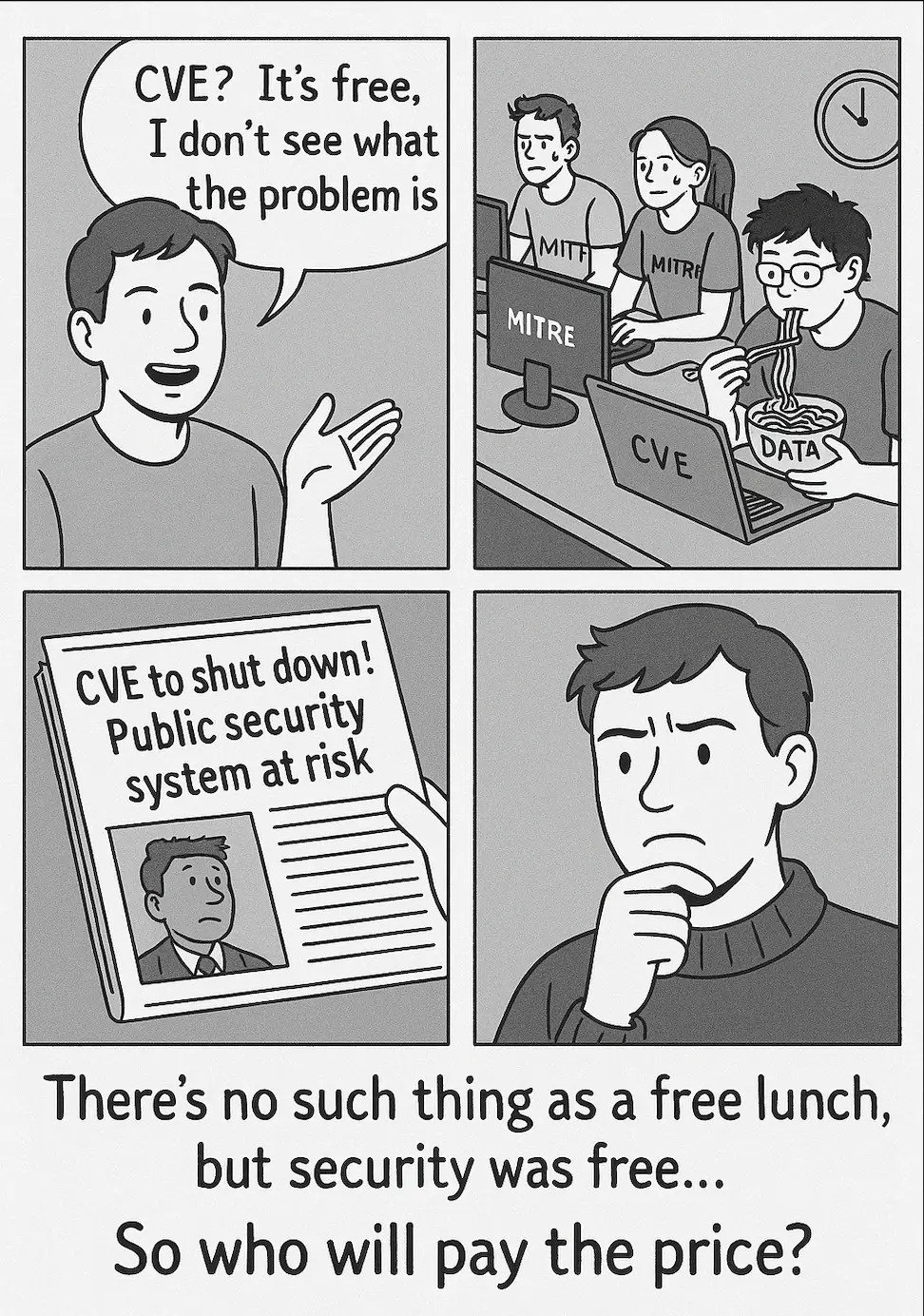
The CVE system nearly collapsed in 2025. Who should fund public cybersecurity infrastructure when free-riding is no longer sustainable?
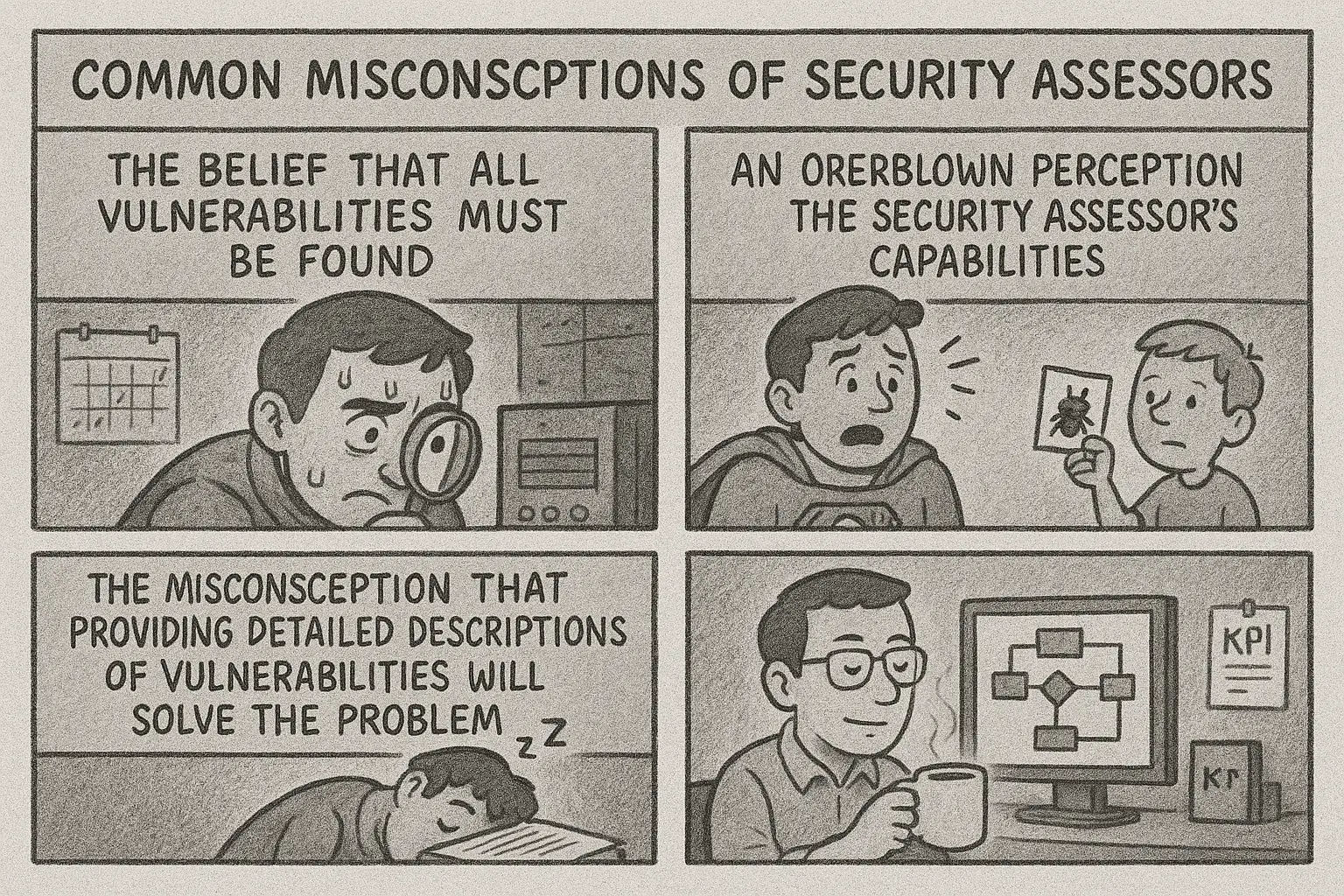
Debunking developer security myths around responsibility deflection, tech overconfidence, and risk underestimation with real-world examples.
Exploring how development culture shapes code security, with practical examples using static analysis tools like Joern.