










Representative Foreword

After the Code, the Structure Remains

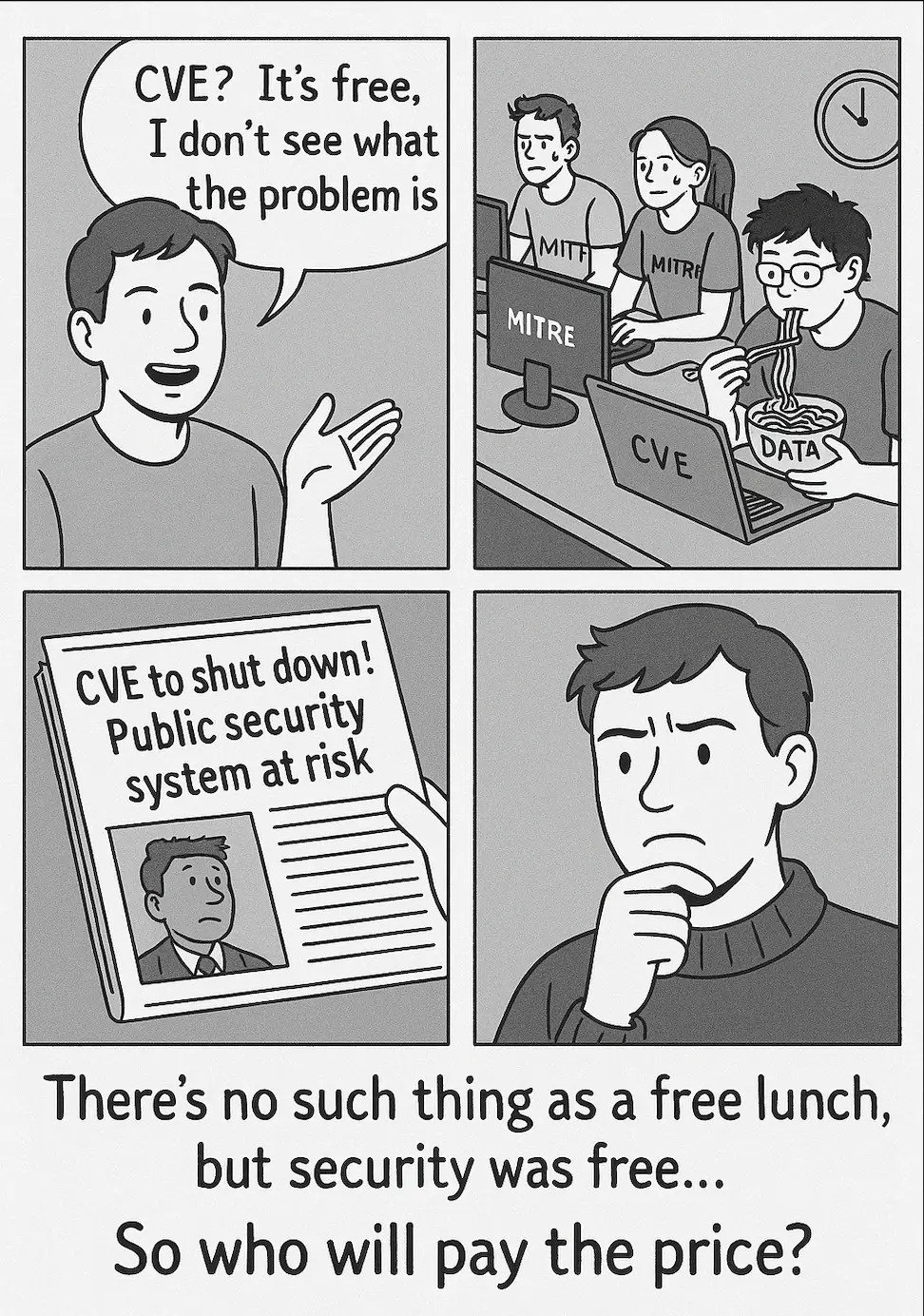
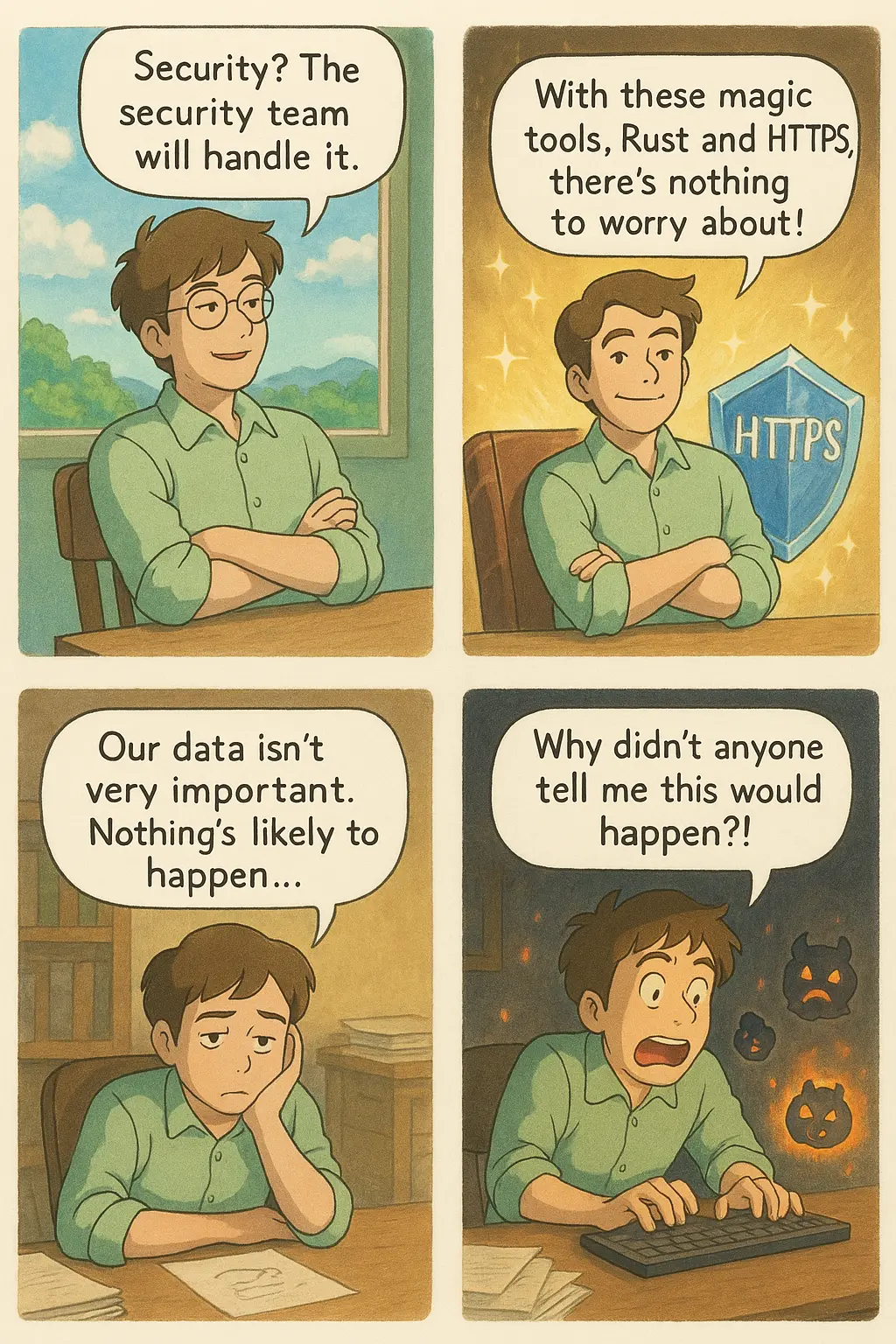
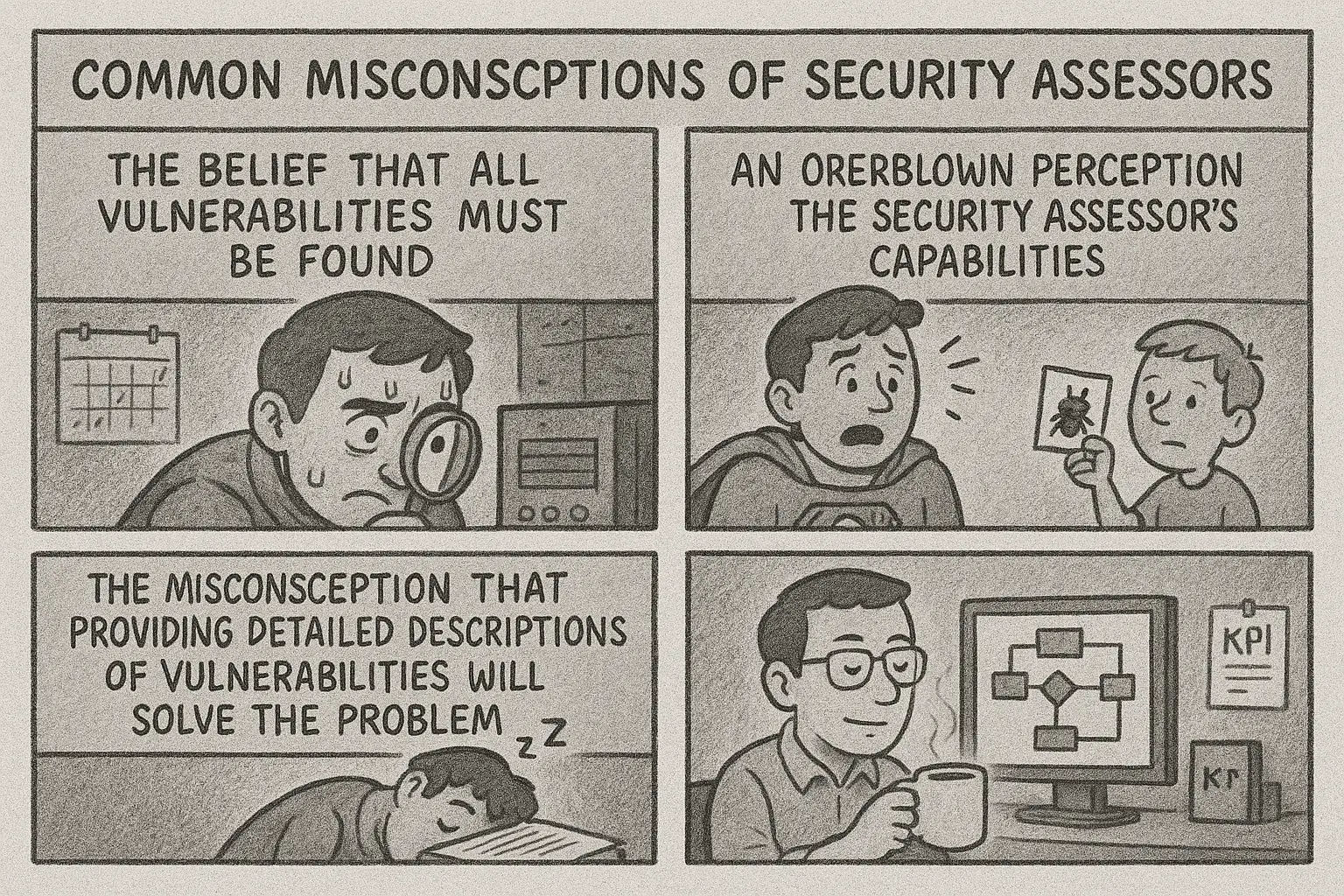
The representative foreword of this blog: security now fails less at finding issues than at absorbing, sustaining, and acting on what has already been found.

This essay frames the entire site first. The posts on technical analysis, method, and governance all start from this same problem statement.

After the Code, the Structure Remains

Detection, Method, Governance

🔥 A Mind That Dissects Systems

🔥 Trust and Culture Beyond Technology

🔥 Code That Fixes, Not Just Runs

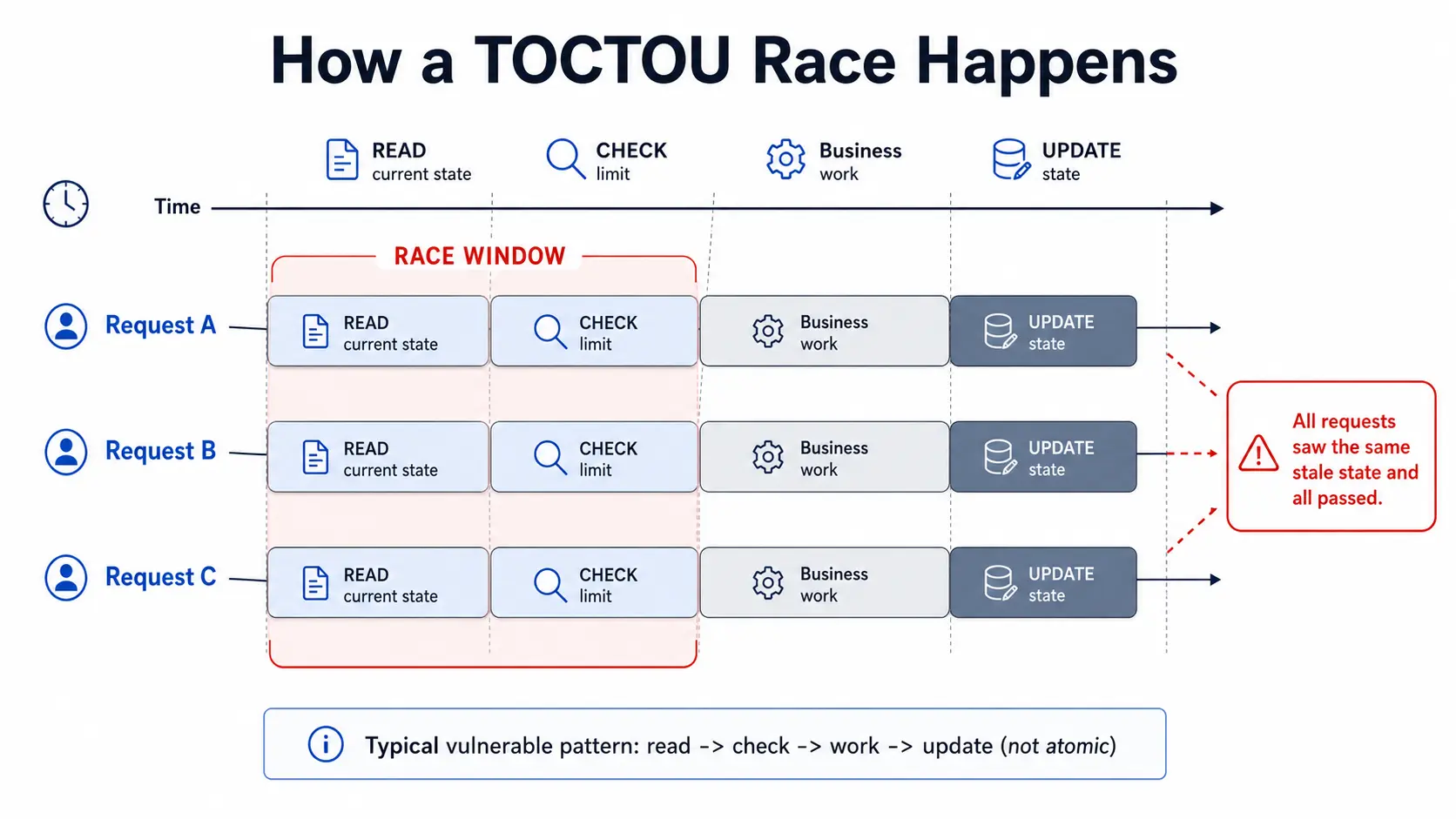
How a TOCTOU race happens: concurrent requests all read the same stale state and all pass the check

Race Condition (TOCTOU) Remediation: What Actually Worked in a Real Stack

The same check-then-act race keeps appearing across services: purchase-limit bypass, one draw used by many requests, duplicate coupon cancellation, daily-reward overruns. I built a real stack (nginx + Tomcat×2 + shared Postgres + Redis) and measured which fix actually holds. Most of them need no Redis lock — just a DB conditional UPDATE and an affected-rows check.


August 25, 2026 · 18 min · 3696 words
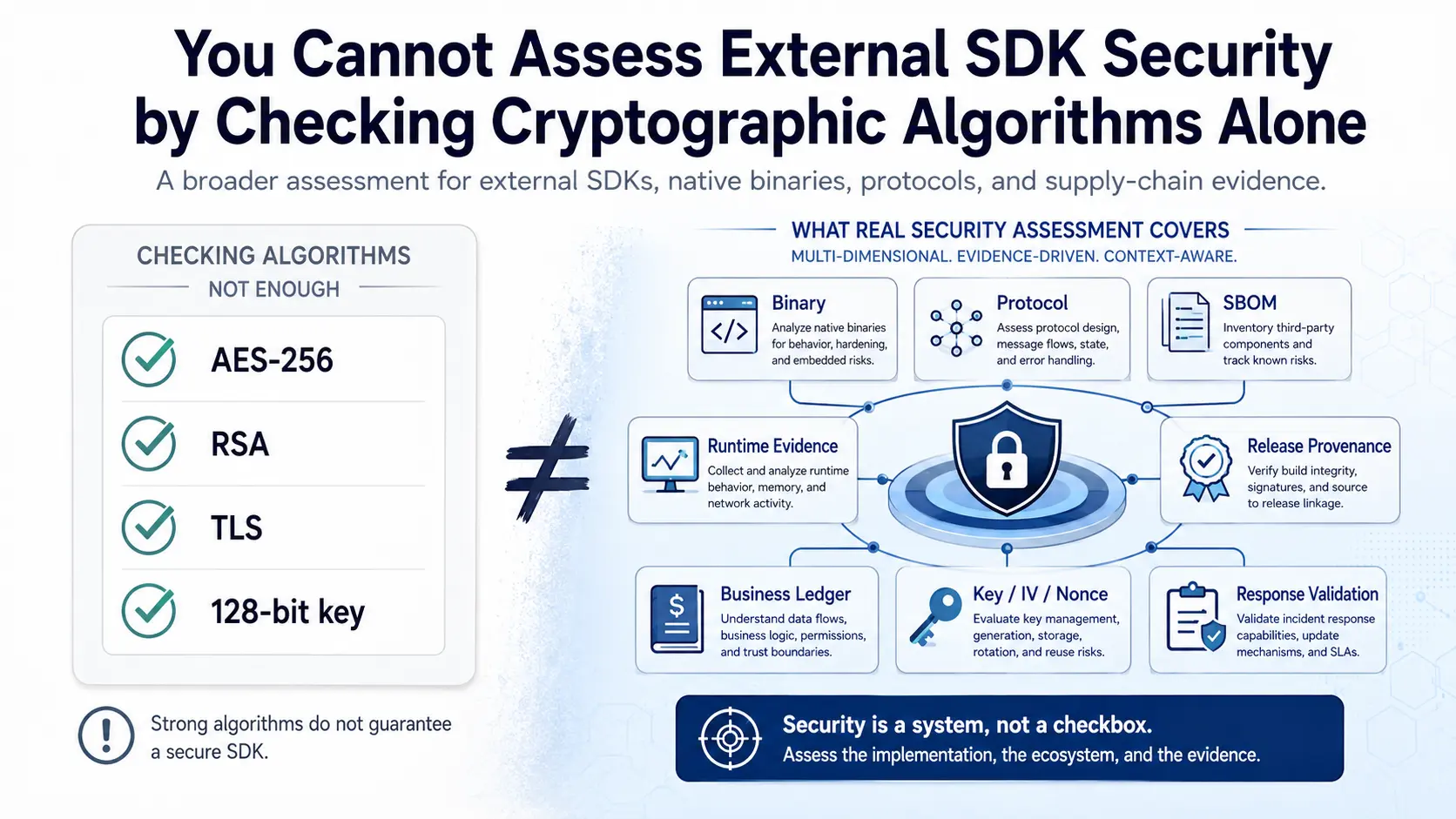
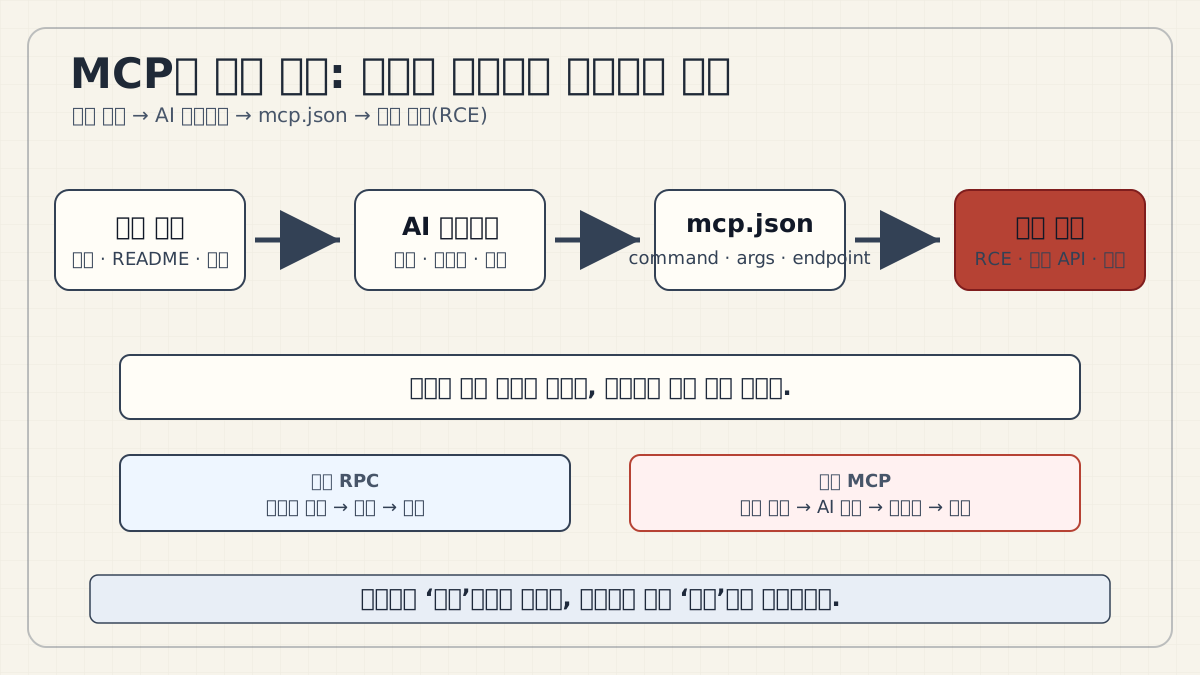
Checking cryptographic algorithms alone cannot assess external SDK security

You Cannot Assess the Security of External SDKs by Checking Cryptographic Algorithms Alone

Algorithm names like AES-256 or TLS reveal nothing about how keys are generated, who controls the endpoint, or whether a response binds to the real transaction. A broader, evidence-based assessment model for external SDKs and native binaries.

August 24, 2026 · 17 min · 3502 words

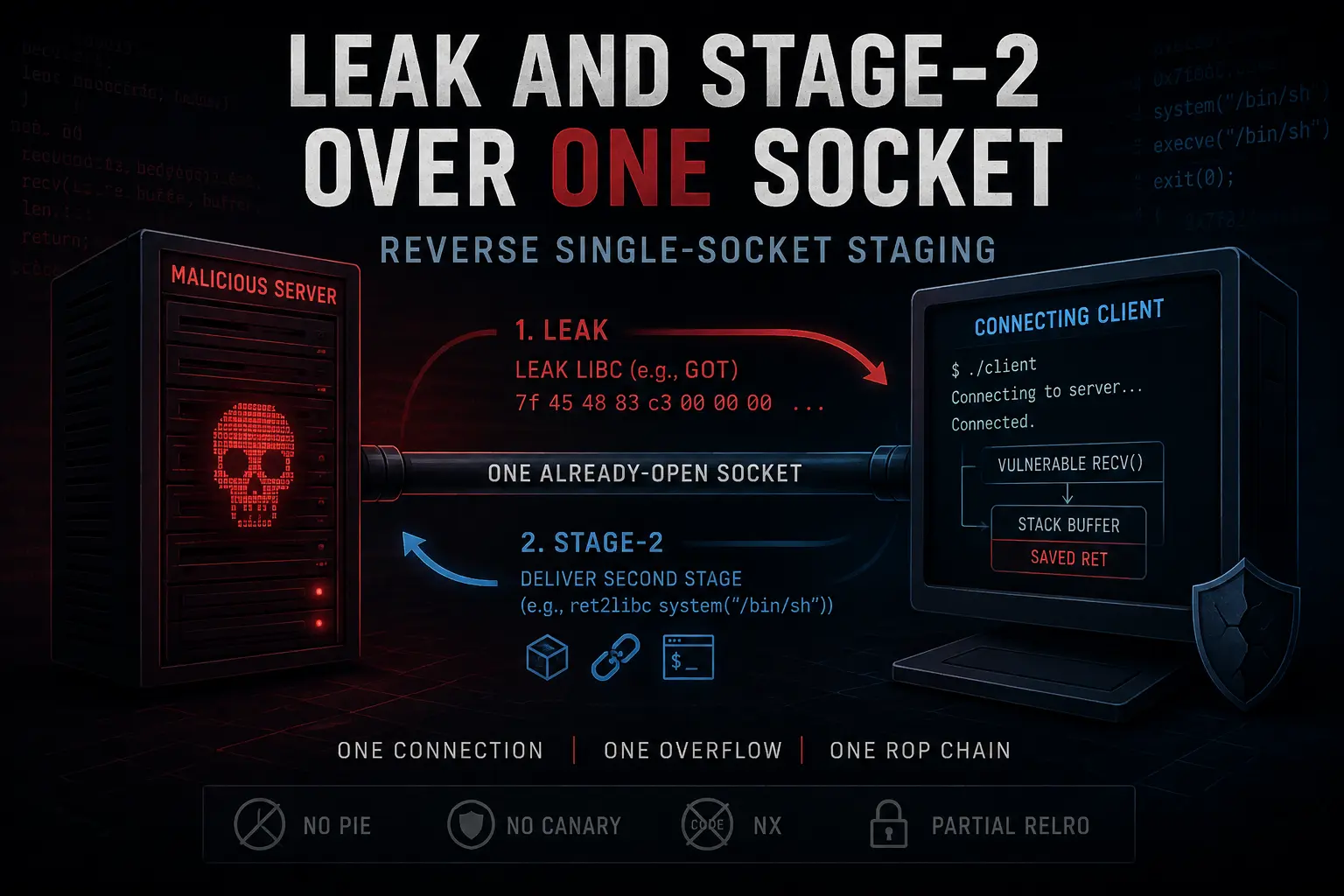
Leak and Stage-2 Over One Socket: Reverse Single-Socket Staging

A malicious server corrupting a client that dials out to it, carrying both the libc leak and the second stage over one already-open socket in a single ROP chain. And why this is not a new pattern but a well-known composition.

August 15, 2026 · 10 min · 1947 words
A hacker looking beyond the CTF flag toward the larger structure of enterprise security

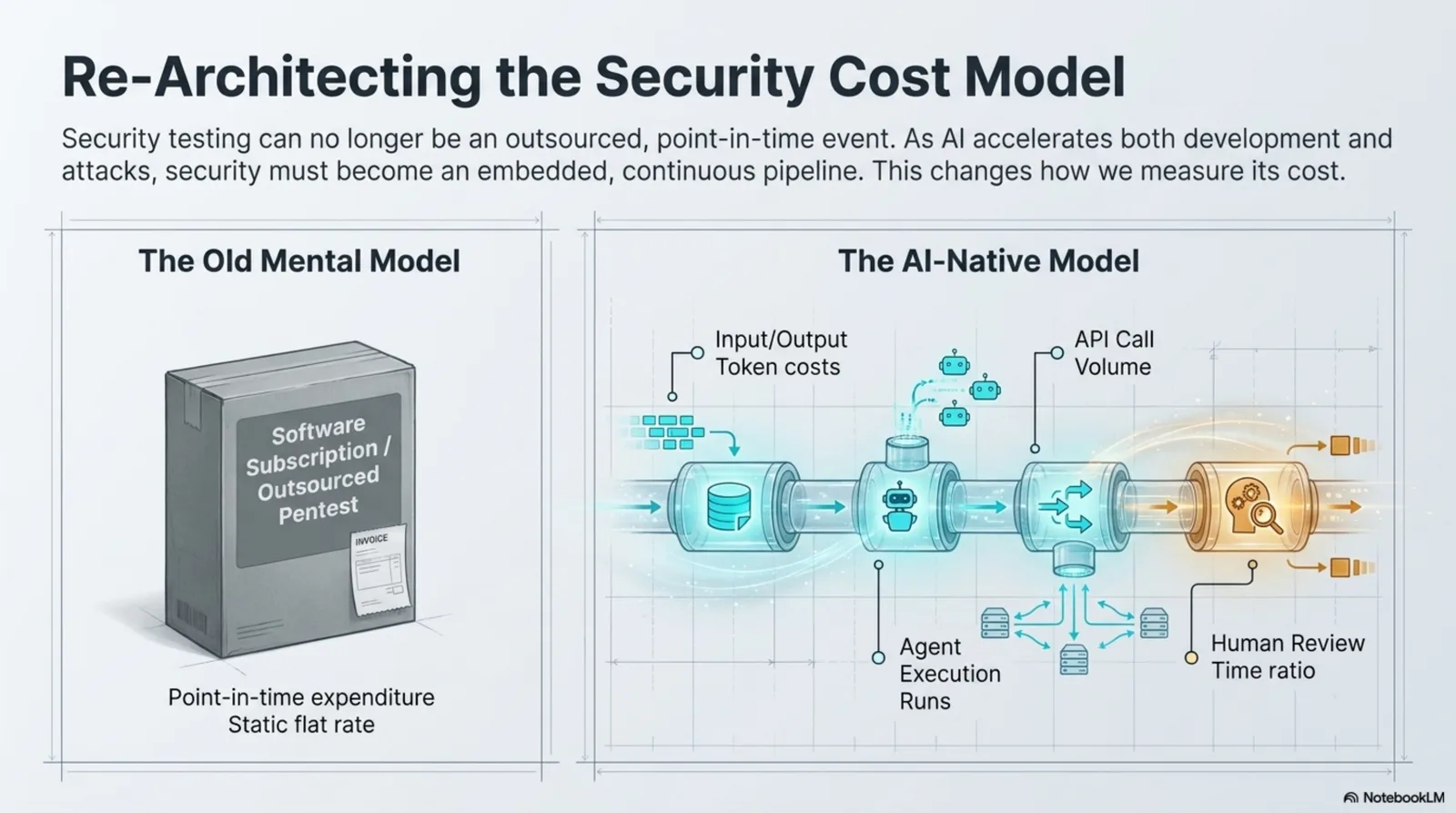
Does Hiring the World's Best Hackers Improve Security?

Bringing world-class hackers and a CTF research ecosystem into an organization can make it stronger, but real security improvement requires turning offensive capability into governance and structural change.

August 10, 2026 · 17 min · 3489 words

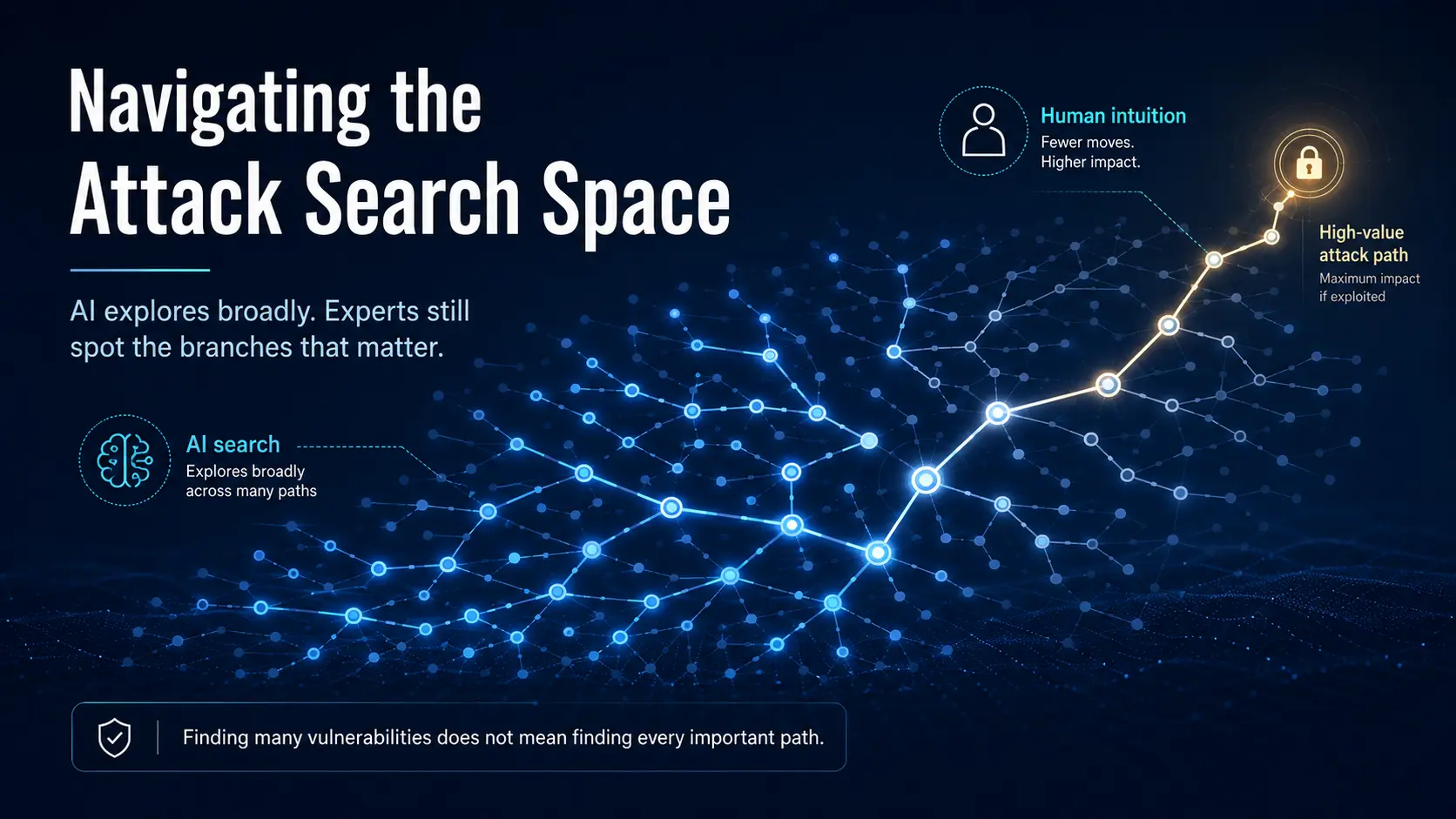
Finding Vulnerabilities Is Not the Same as Building Attack Scenarios

A practical method for modeling vulnerabilities as attacker-relevant security state transitions and combining human intuition with bounded AI search

August 3, 2026 · 24 min · 4951 words

Cryptography Guide for Practical Security Professionals

In practical cryptography, failures often occur in the design—combining randomness, key management, operating modes, error handling, and authentication—rather than in the algorithms themselves. This post outlines criteria for auditing cryptographic implementations from the perspective of security assessors and reversers.

June 16, 2026 · 15 min · 3119 words

From a Security Development Spec for Small LLMs to Regression Tests and Fuzzing Validation

This article explains how I split an XSS security development specification for small local models into core/verify/dev/test overlays, and what I learned while connecting LLM-based judgment to regression-test generation and Jazzer/Jazzer.js fuzzing seeds.

June 8, 2026 · 26 min · 5449 words

An Audit Workflow Survives Only When It Absorbs Misses — Eight Reinforcements to sec-audit-static v2.0

I designed sec-audit-static workflow v2.0, ran it against a real auth-server codebase, and missed two things. This is the record of how those misses were folded back into the tool — through v2.8.

May 19, 2026 · 14 min · 2926 words

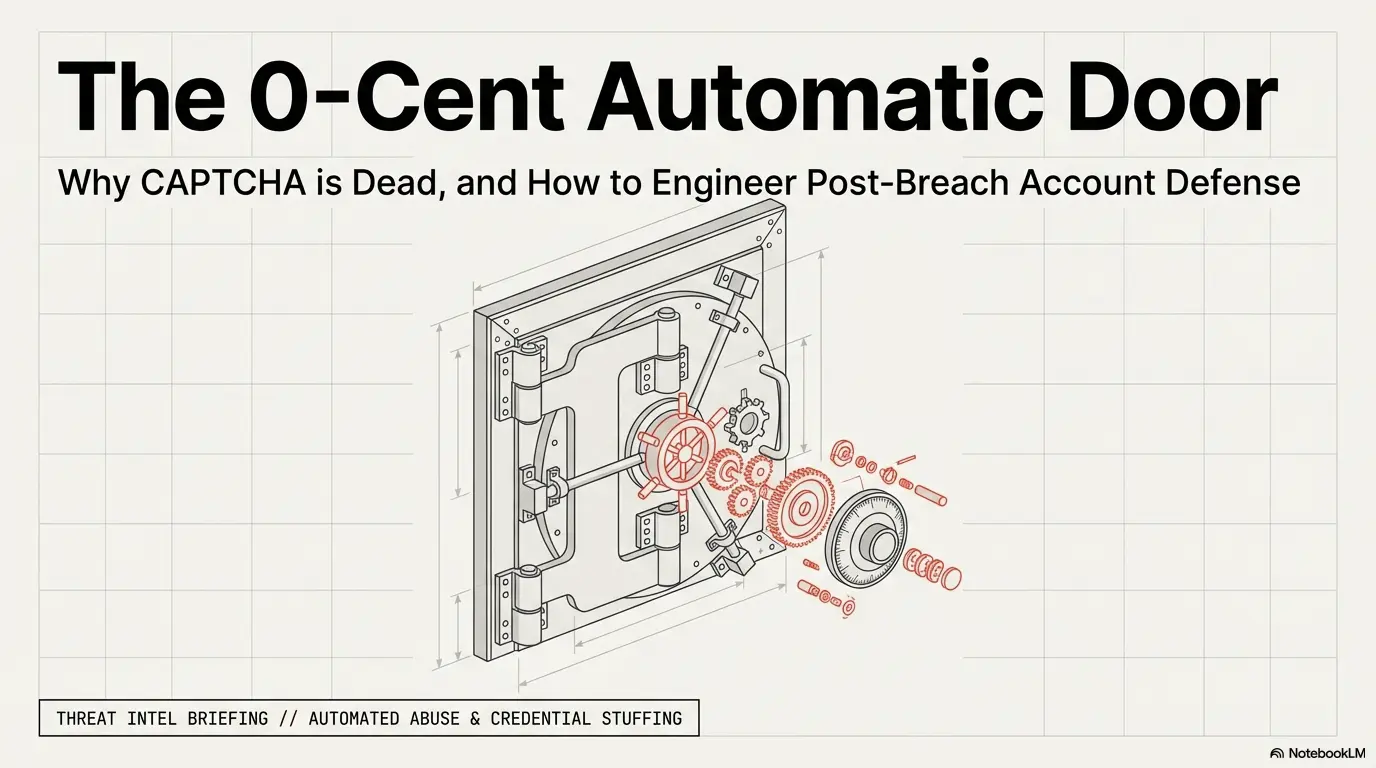
Security Controls Aren't Lacking — They're Inconvenient: Why Security Needs Customer Context

Security controls already exist. The real problem is that we cannot decide which customer, at which moment, deserves how much friction. As the closing chapter of the CAPTCHA·ATO series, this post is about moving from quantity of controls to context of controls — adaptive security as an operational discipline.

May 11, 2026 · 13 min · 2671 words

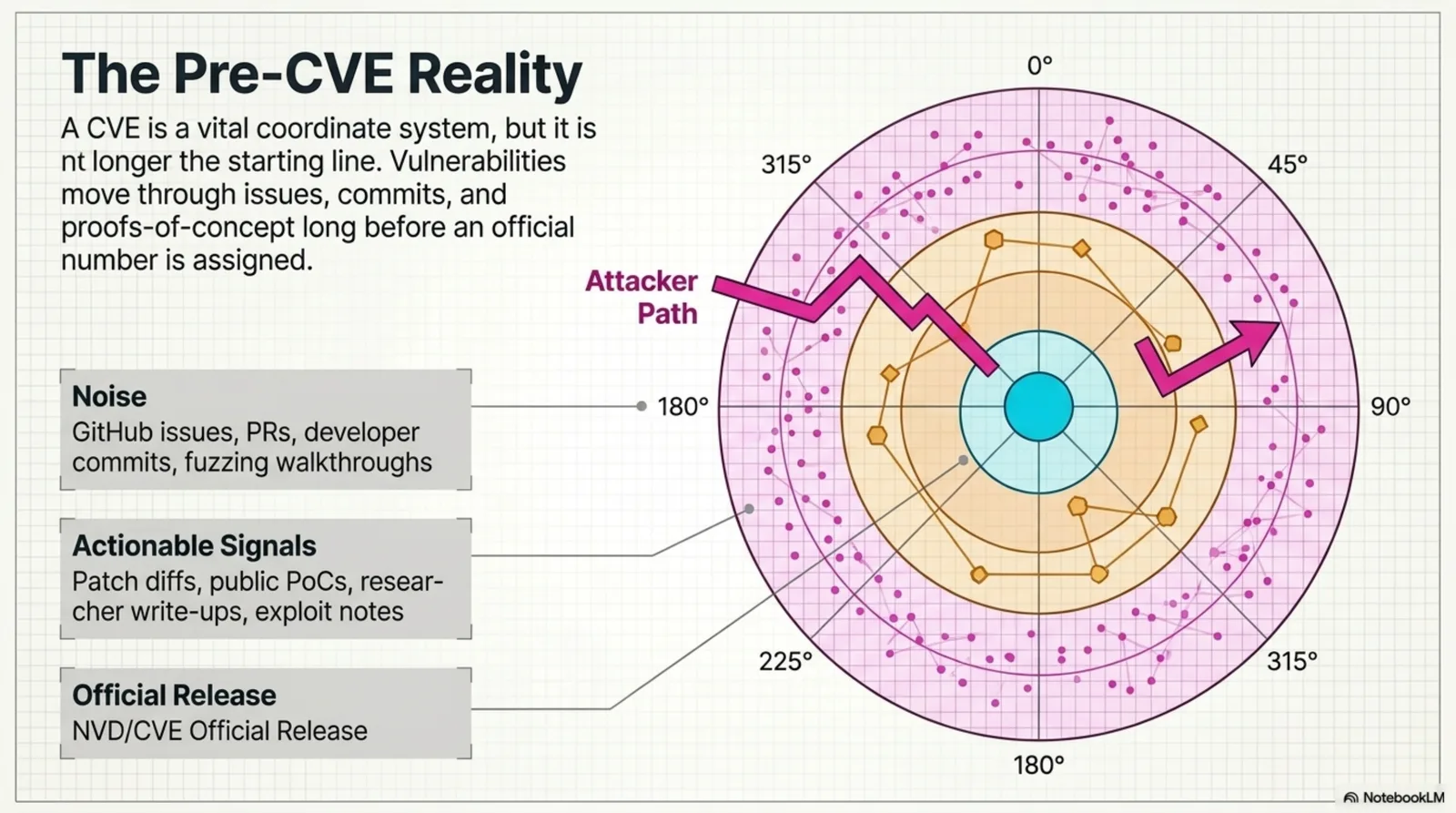
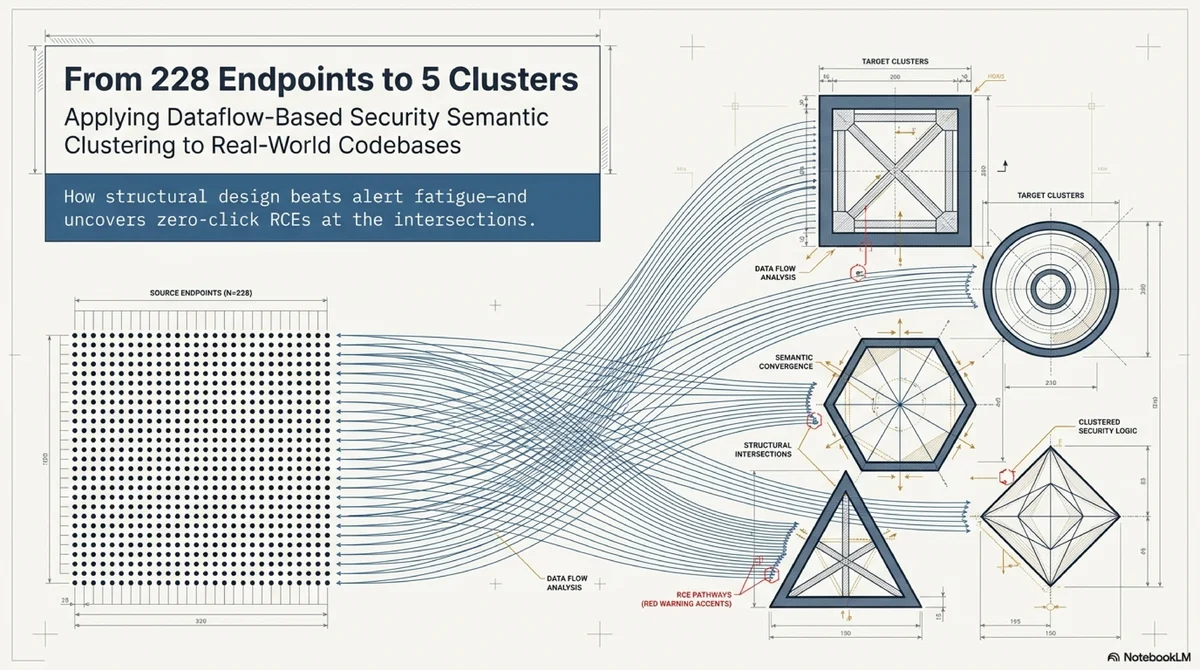
How I Turned 228 Endpoints into 5 Clusters

A practical account of applying dataflow-based clustering to a real codebase — reducing 228 endpoints to 5 reviewable clusters, and finding an RCE chain in the cross-section.

April 15, 2026 · 17 min · 3431 words