











Representative Foreword

After the Code, the Structure Remains

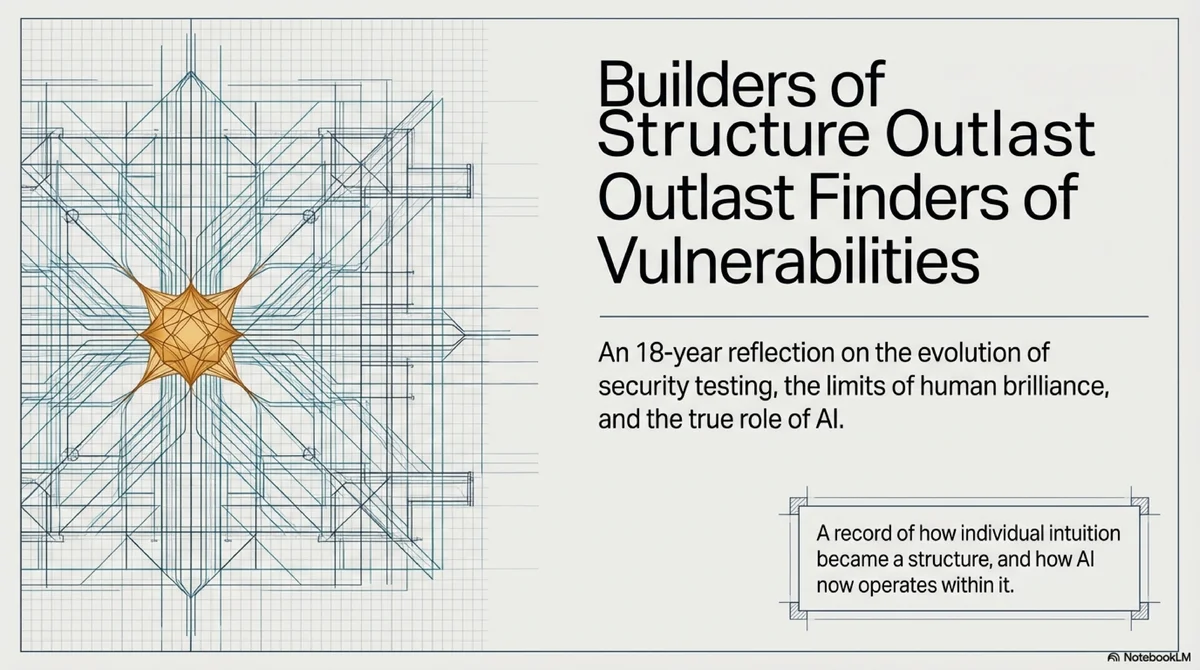
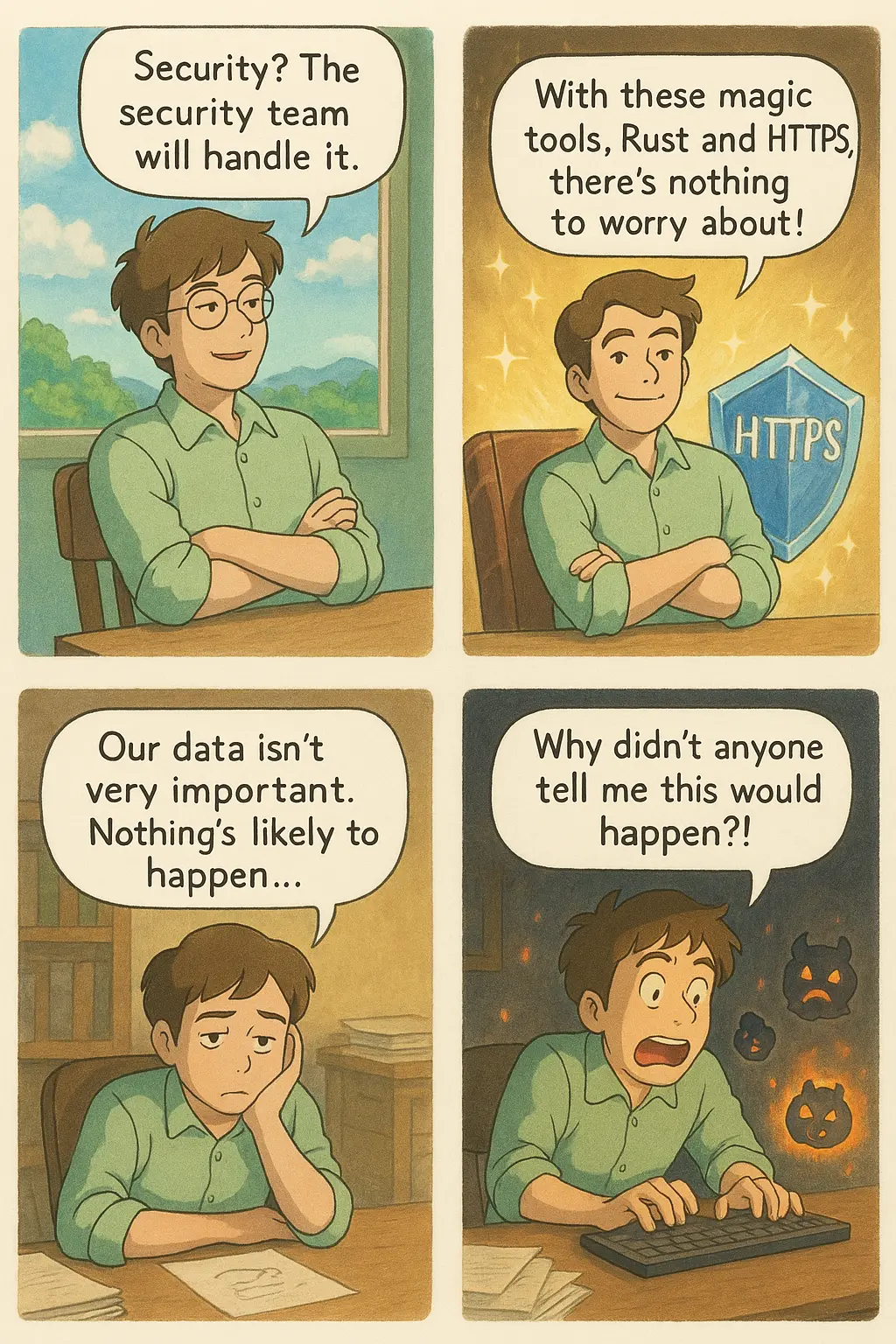
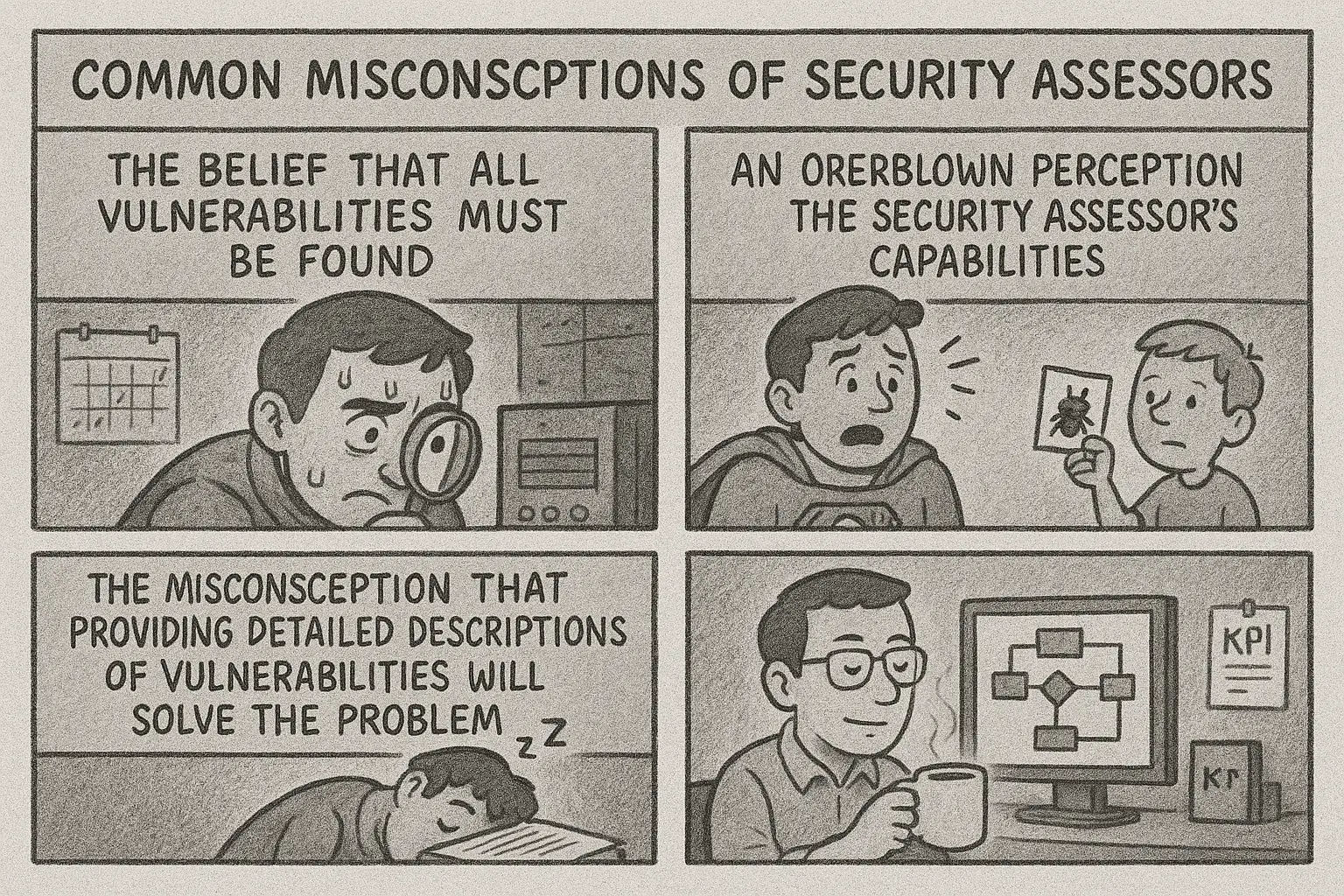
The representative foreword of this blog: security now fails less at finding issues than at absorbing, sustaining, and acting on what has already been found.

This essay frames the entire site first. The posts on technical analysis, method, and governance all start from this same problem statement.

After the Code, the Structure Remains

Detection, Method, Governance

🔥 A Mind That Dissects Systems

🔥 Trust and Culture Beyond Technology

🔥 Code That Fixes, Not Just Runs

Security Controls Aren't Lacking — They're Inconvenient: Why Security Needs Customer Context

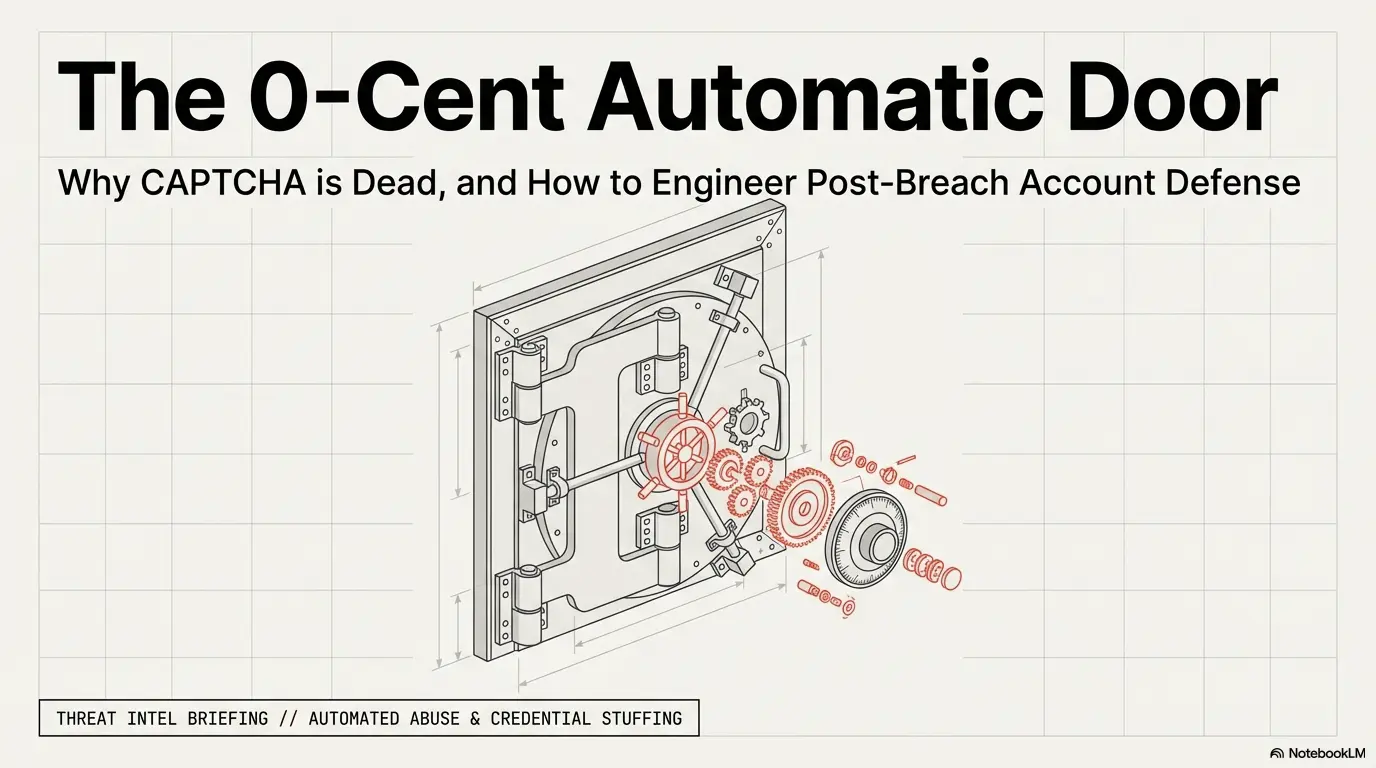
Security controls already exist. The real problem is that we cannot decide which customer, at which moment, deserves how much friction. As the closing chapter of the CAPTCHA·ATO series, this post is about moving from quantity of controls to context of controls — adaptive security as an operational discipline.

May 11, 2026 · 13 min · 2671 words

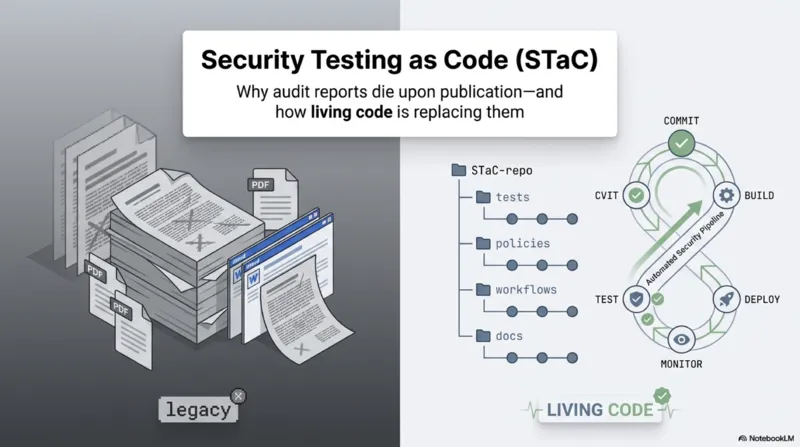
Security Diagnostics Reports Die Upon Publication

We point out the limitations of traditional security diagnostic reports and share the necessity and practical application cases of ‘Security Testing as Code’, managing diagnostic results not as ‘documents’ but as ’executable code (PoC)’.

March 17, 2026 · 6 min · 1158 words

WAF/IPS/IDS Detection Gap Analysis and Remediation Direction

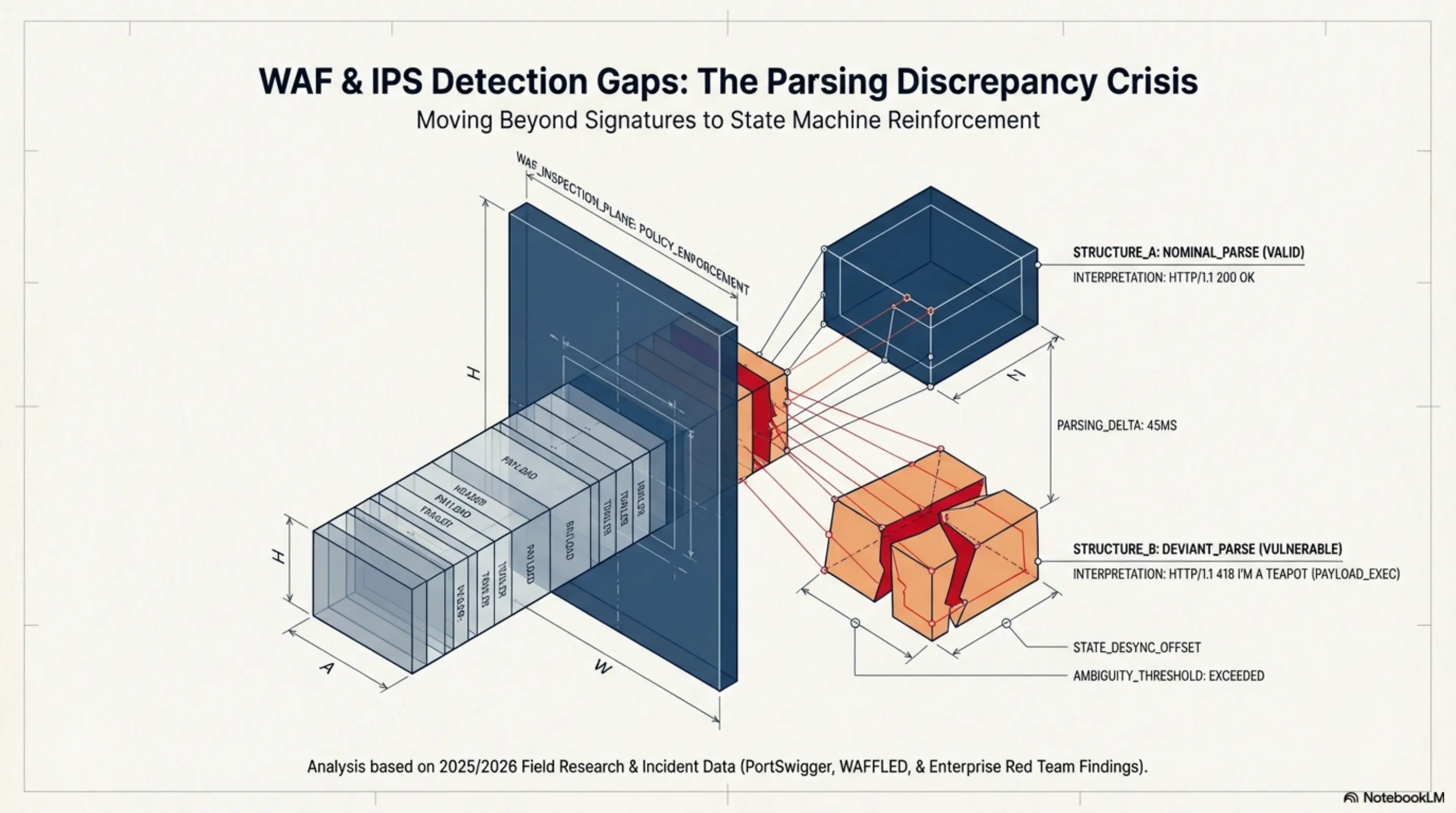
Structural analysis of WAF, IPS, and IDS detection gaps from parsing discrepancies, with a practical remediation taxonomy.

March 13, 2026 · 45 min · 9553 words

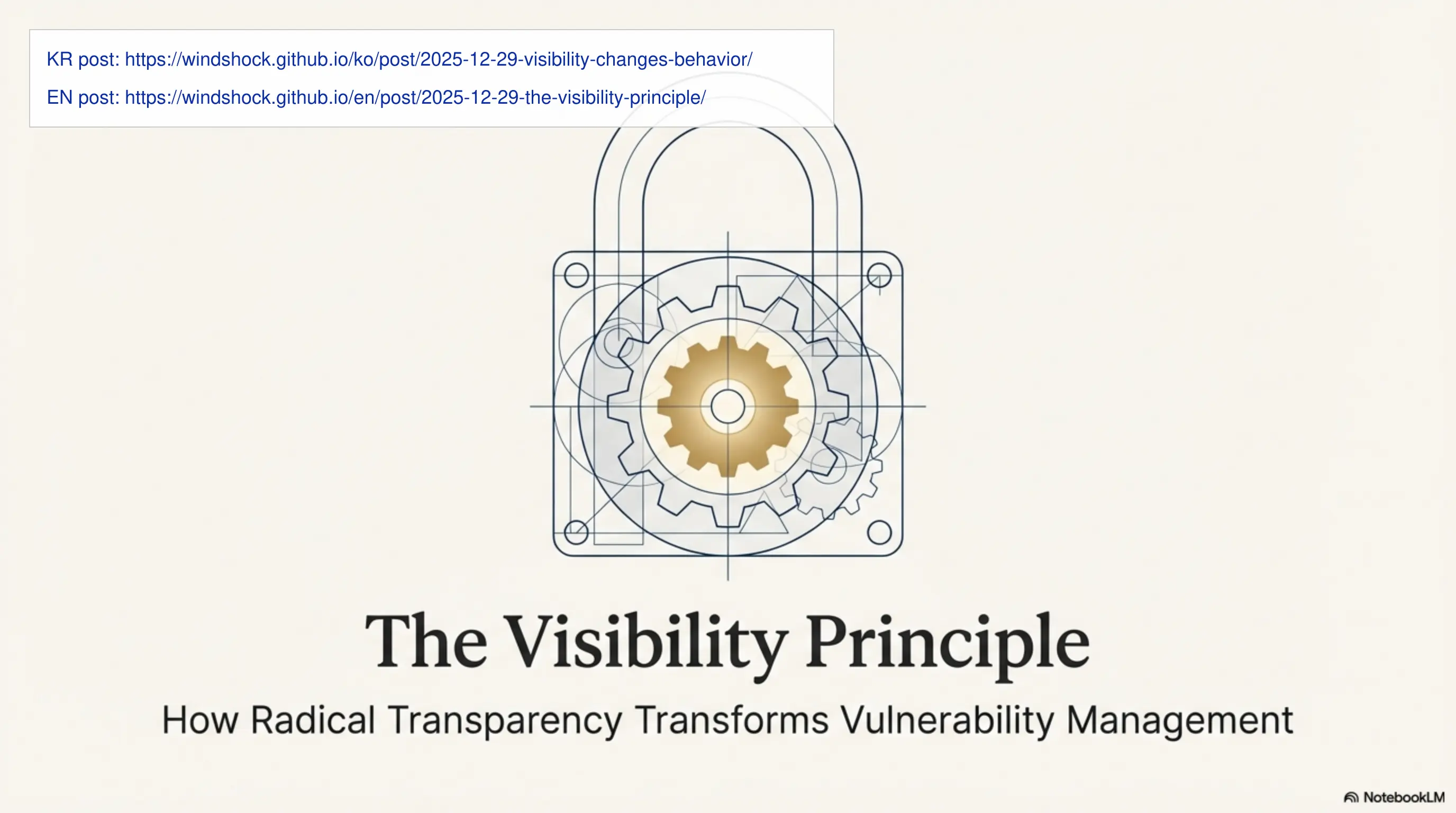
The Visibility Principle: How Internal Vulnerability Visibility Shapes Remediation Behavior

How transparent internal vulnerability visibility drives remediation through accountability and deterrence without formal punishment.

December 29, 2025 · 6 min · 1080 words

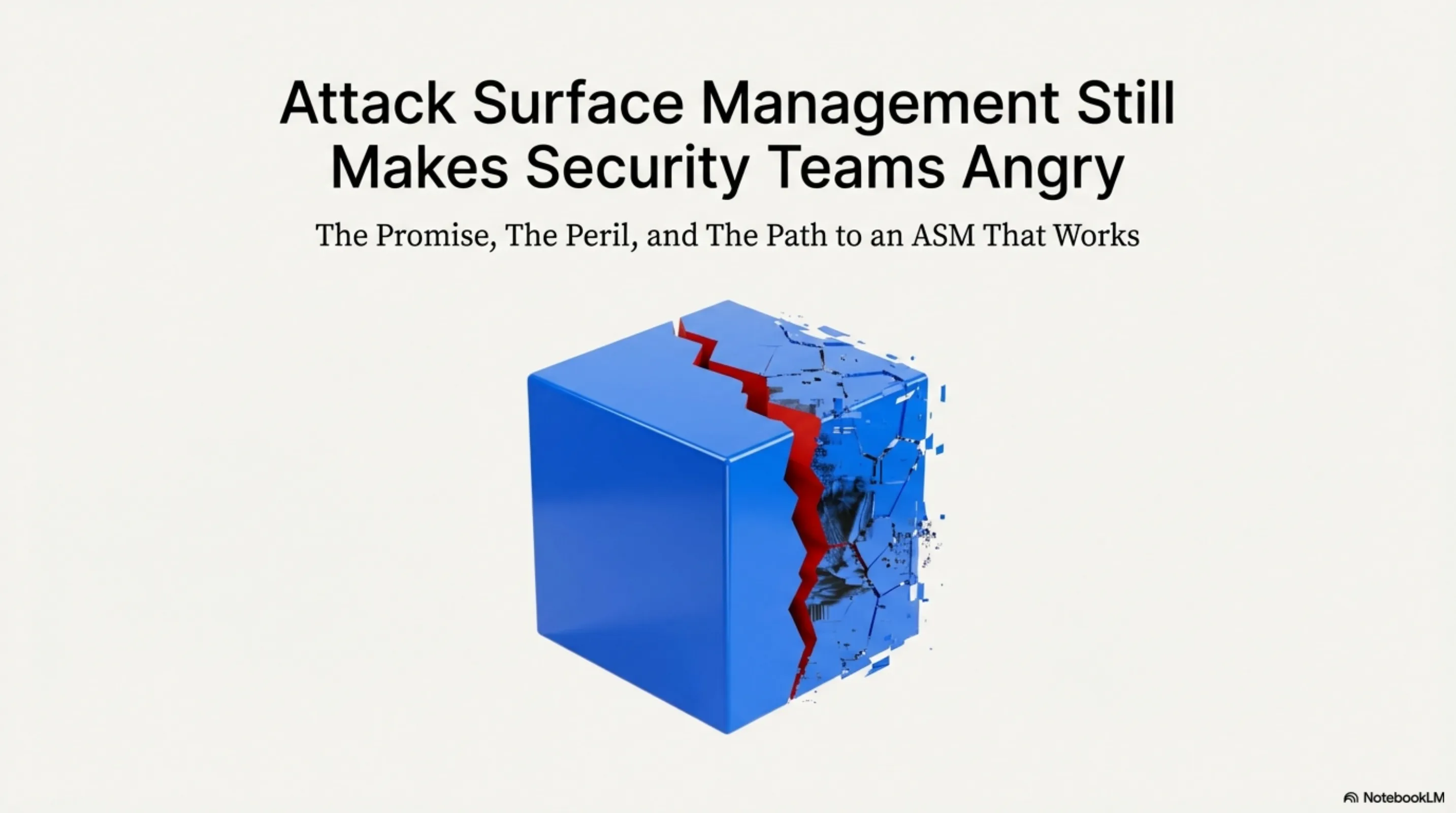
Attack Surface Management in 2025: Why Continuous Visibility is Essential

Why continuous attack surface management is critical in 2025, covering AI-driven discovery, shadow IT, and zero trust integration.

December 22, 2025 · 11 min · 2330 words