






Representative Foreword

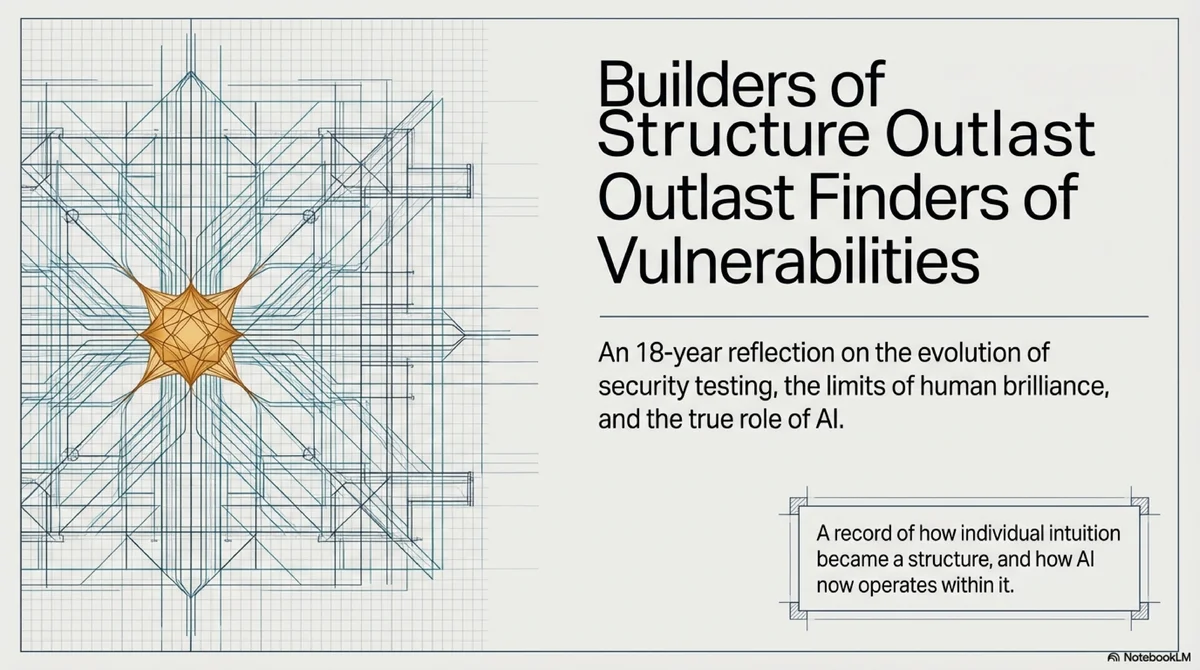
After the Code, the Structure Remains

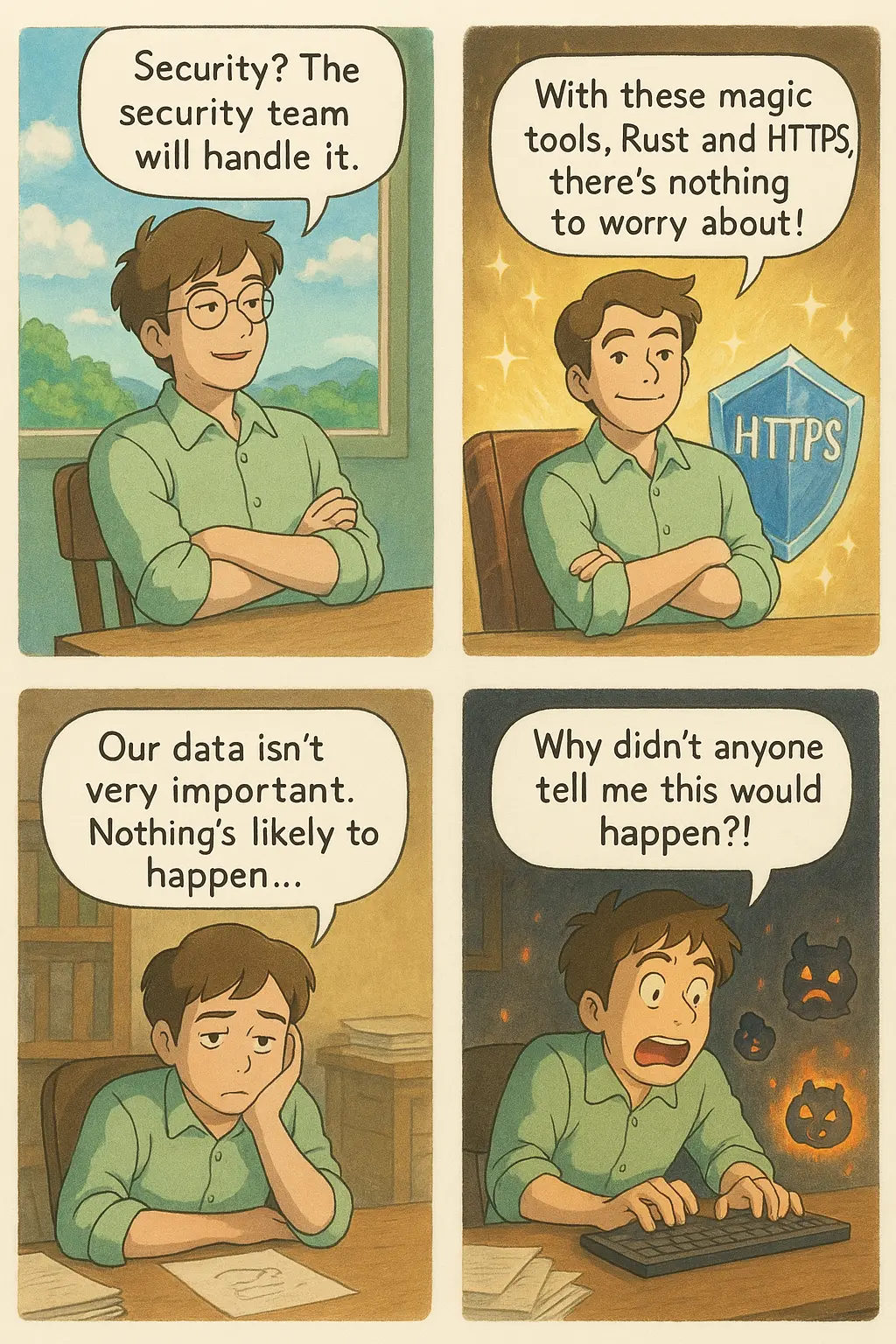
The representative foreword of this blog: security now fails less at finding issues than at absorbing, sustaining, and acting on what has already been found.

This essay frames the entire site first. The posts on technical analysis, method, and governance all start from this same problem statement.

After the Code, the Structure Remains

Detection, Method, Governance

🔥 A Mind That Dissects Systems

🔥 Trust and Culture Beyond Technology

🔥 Code That Fixes, Not Just Runs

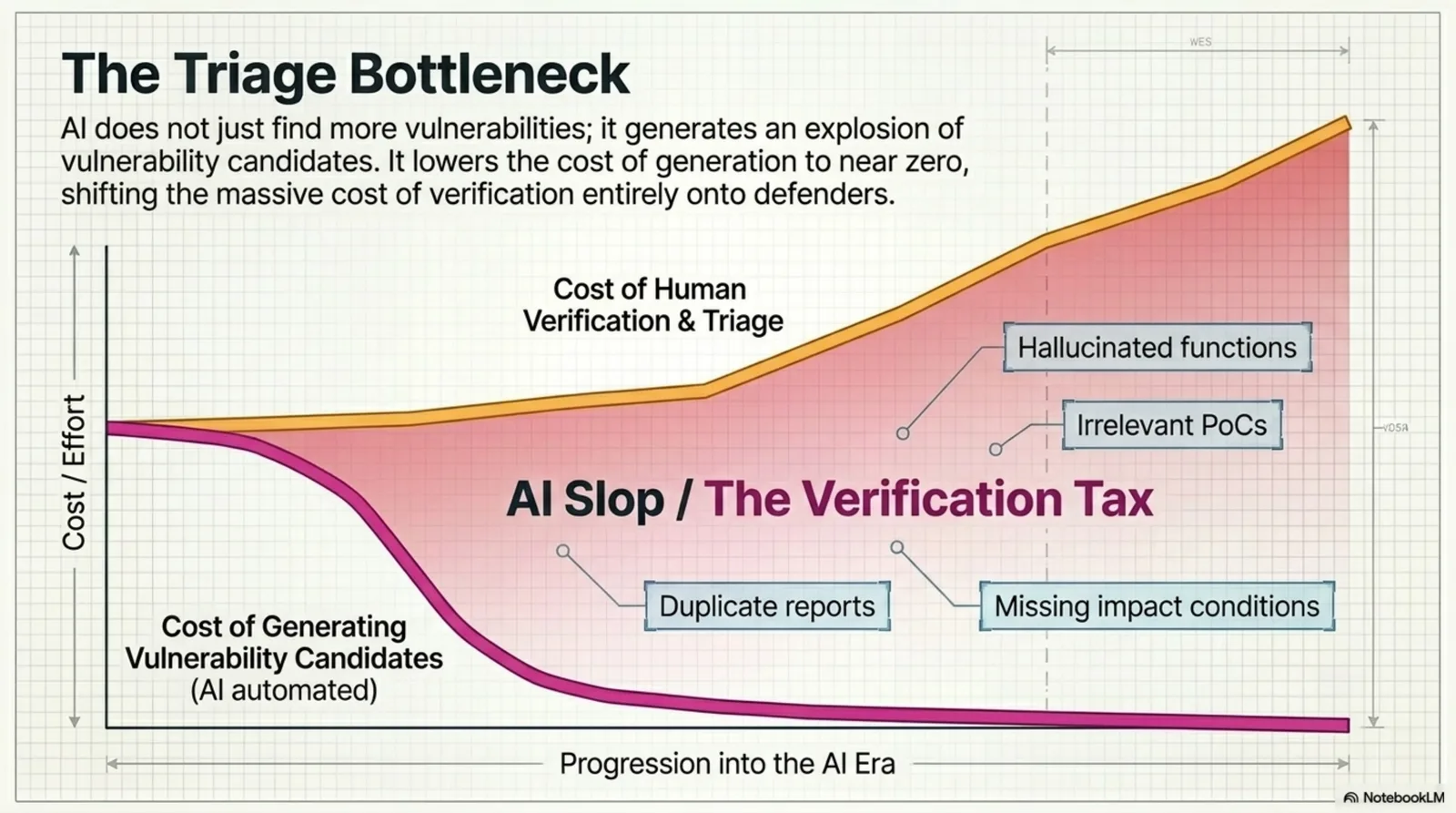
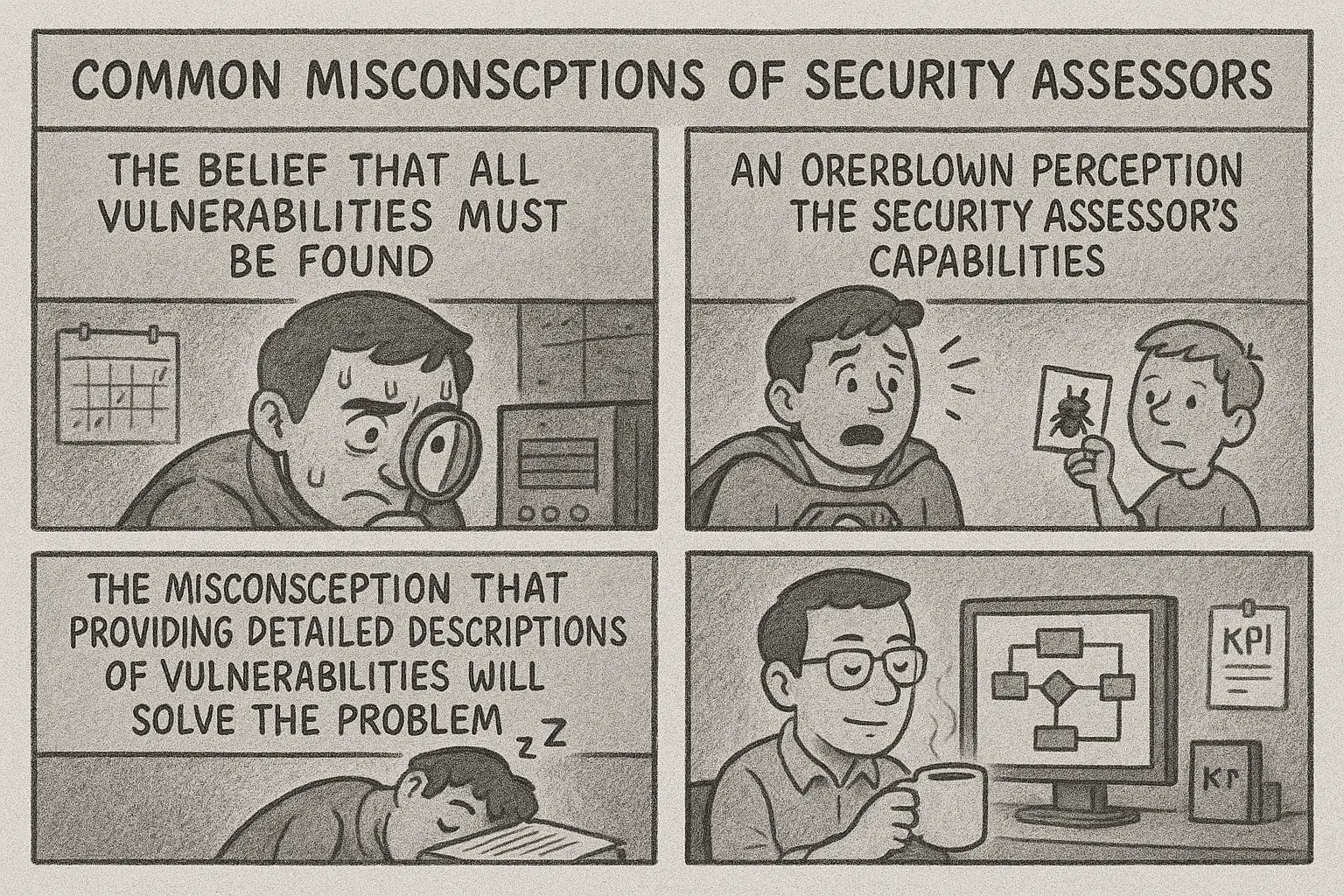
Before Blaming AI False Positives: The Security Debt of Generalist-Led Organizations

A Korean financial-sector AI code-analysis test reported 40–60% false positives. The deeper question is how technical expertise, validation workflows, budgets, and decision rights shape actual security outcomes.

October 21, 2026 · 11 min · 2242 words

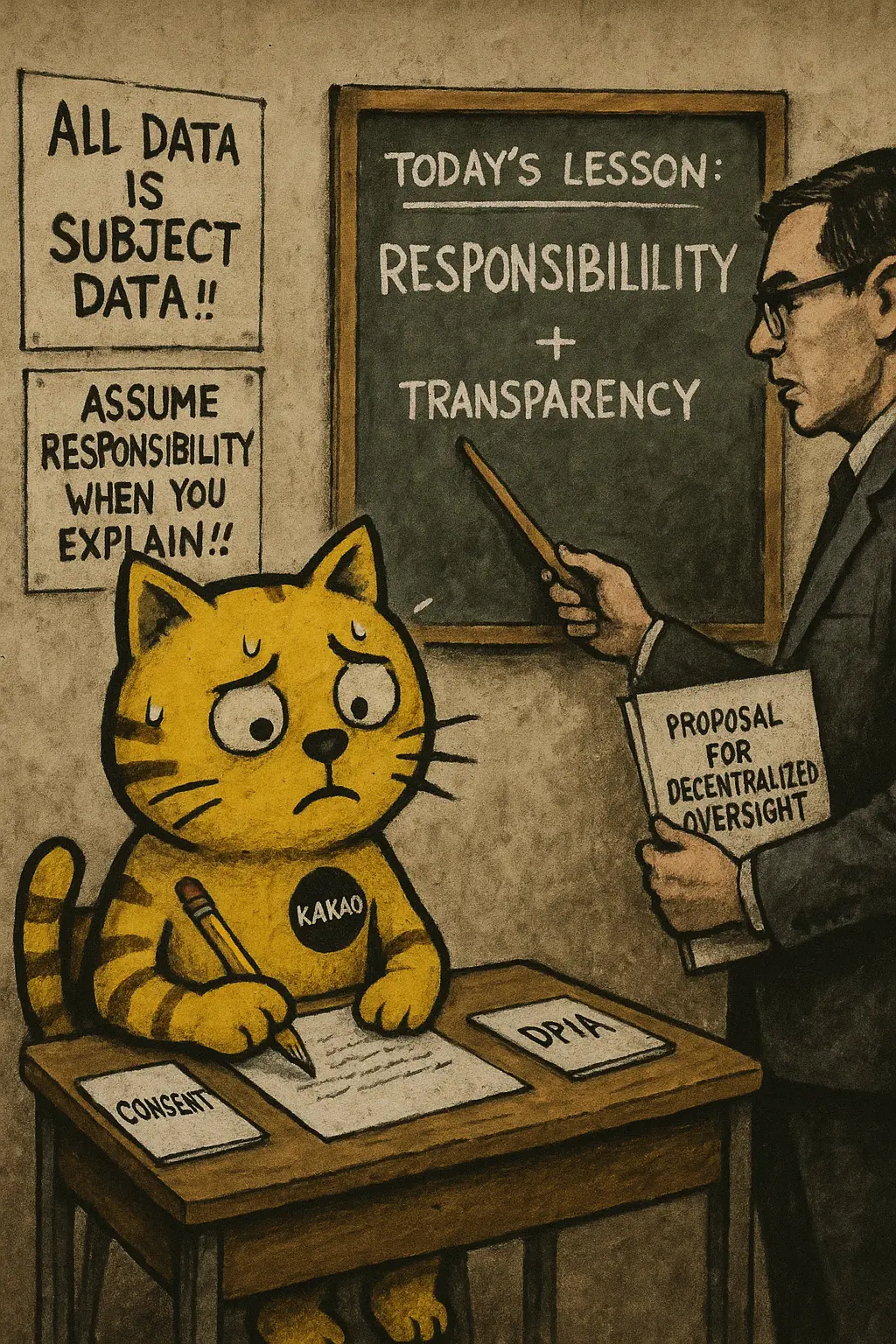
Why Are the Costs and Risks of Cybersecurity So Widely Distributed Across the Private Sector?

Starting from the debate over criminal liability for CISOs, this post traces Internet commercialization, information asymmetry, responsibilization, security externalities, CVD, NIS2, the CRA, and Korea’s 2026 reforms to ask how cybersecurity responsibility has been distributed—and why it is now being rebalanced.

October 6, 2026 · 24 min · 4965 words
A hacker looking beyond the CTF flag toward the larger structure of enterprise security

Does Hiring the World's Best Hackers Improve Security?

Bringing world-class hackers and a CTF research ecosystem into an organization can make it stronger, but real security improvement requires turning offensive capability into governance and structural change.

August 10, 2026 · 17 min · 3489 words