





Amadey Malware: A Comparative Study of Static Detection vs Memory-Based Detection
Using Amadey as a case study, this post compares static signature detection and memory-based detection through structure, evasion difficulty, and YARA usage.
Using Amadey as a case study, this post compares static signature detection and memory-based detection through structure, evasion difficulty, and YARA usage.
A practical, research-informed look at why transparent internal vulnerability visibility can increase remediation participation and improve patch outcomes—through accountability, perceived surveillance, and deterrence mechanisms.
This post analyzes the evolution of endpoint evasion techniques from 2020 to 2025. It covers BYOI, BYOVD, DLL hijacking, service tampering, and other sophisticated methods attackers use to bypass EDR and AV. Real-world ransomware cases and vendor impact are discussed, along with defensive insights.
Analyzing the threat of Single Points of Failure (SPOF) through historical examples and graph theory, this piece presents a strategic approach to identifying and mitigating structural weaknesses in cybersecurity infrastructures.
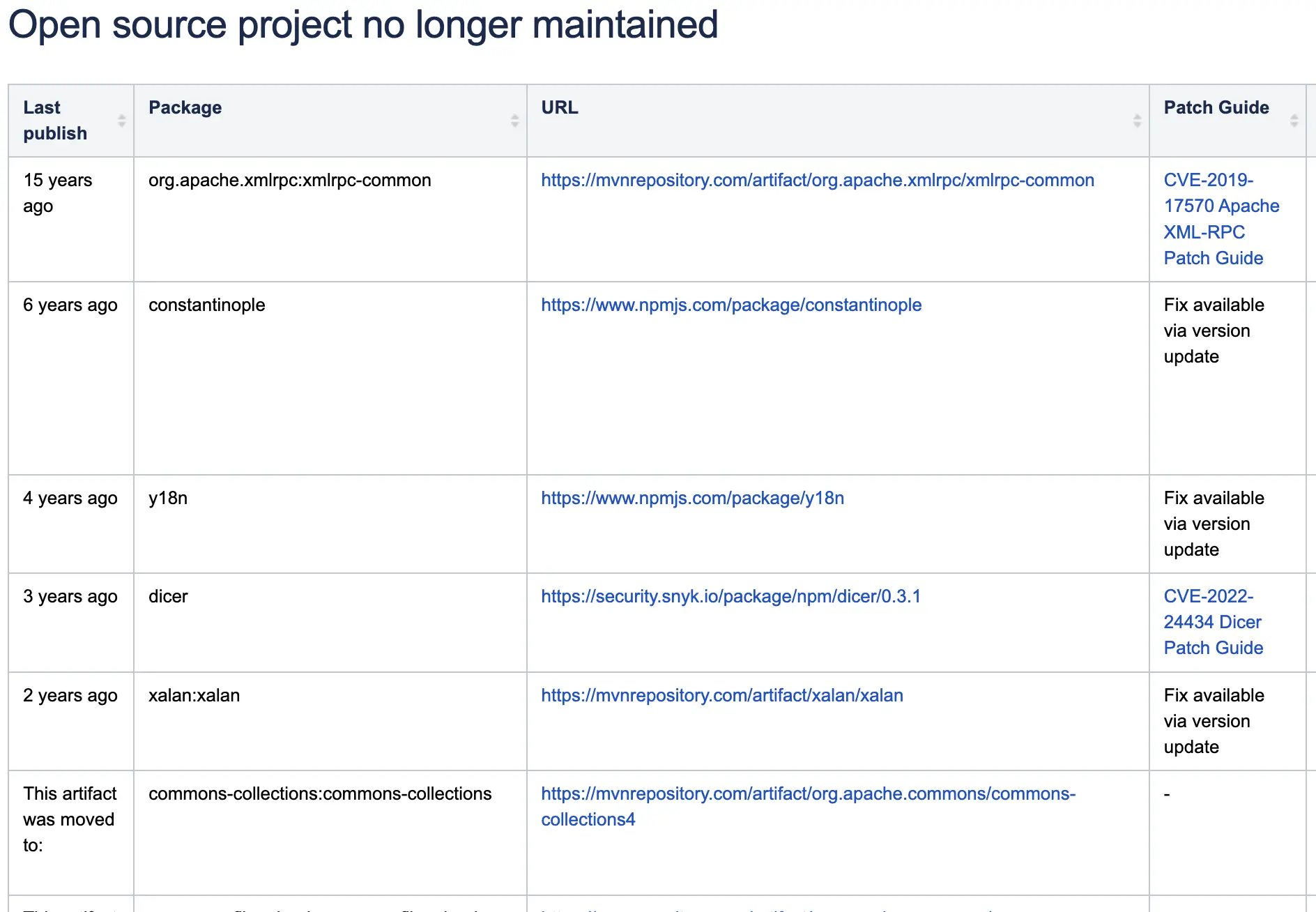
This guide analyzes a vulnerability in the Dicer module indirectly affecting Multer, and provides a practical mitigation strategy. It serves as a real-world example of dealing with unmaintained open source dependencies.
When API access falls short, automation through Gmail and Apps Script becomes essential. Here’s how I used Google Apps Script to collect Snyk vulnerability alerts and patch data automatically.
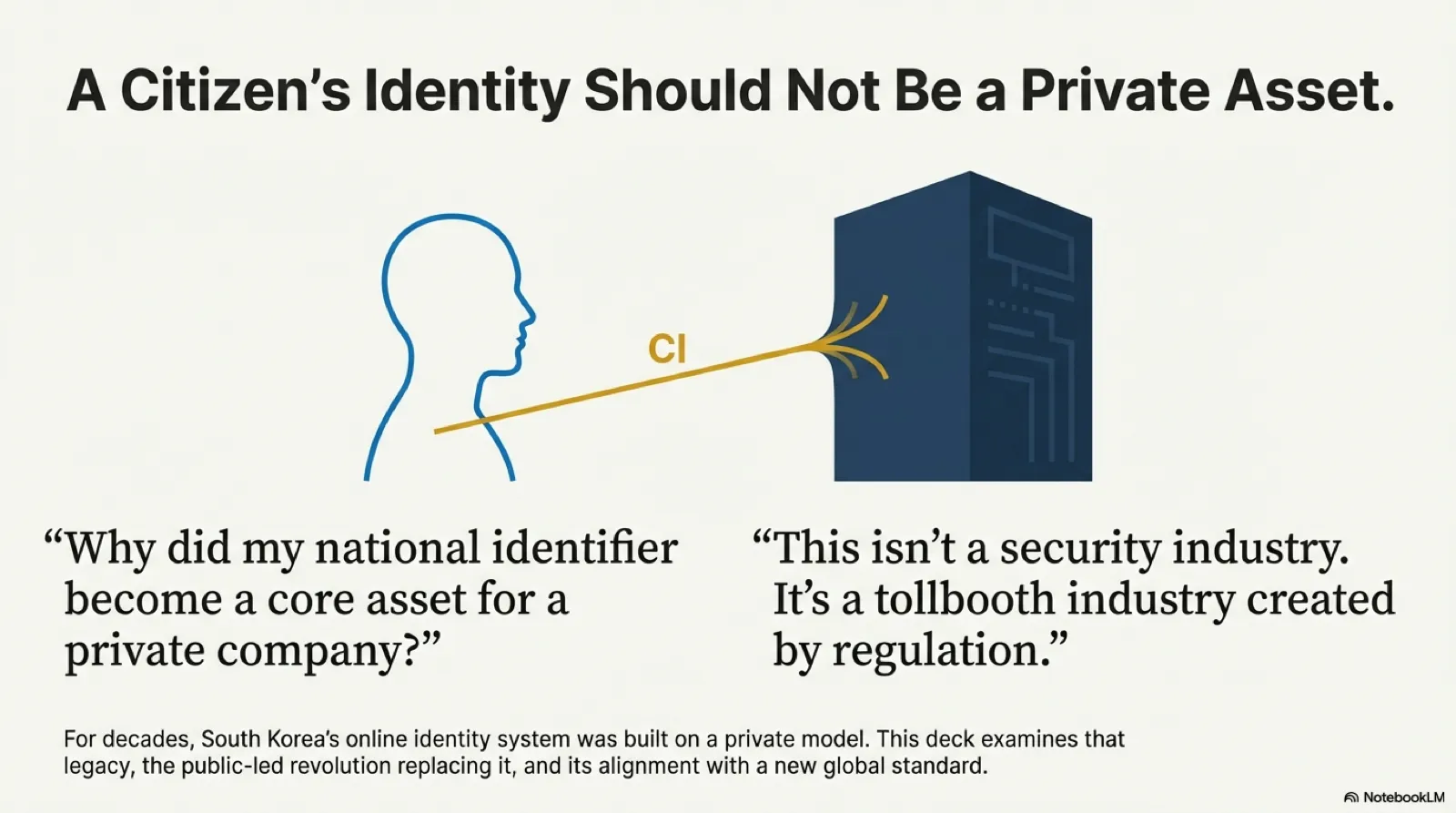
The 2025 KakaoPay case exposed the limits of formal consent and self-regulation. Data democracy must be achieved through AI-based DPIA verification and civic oversight.
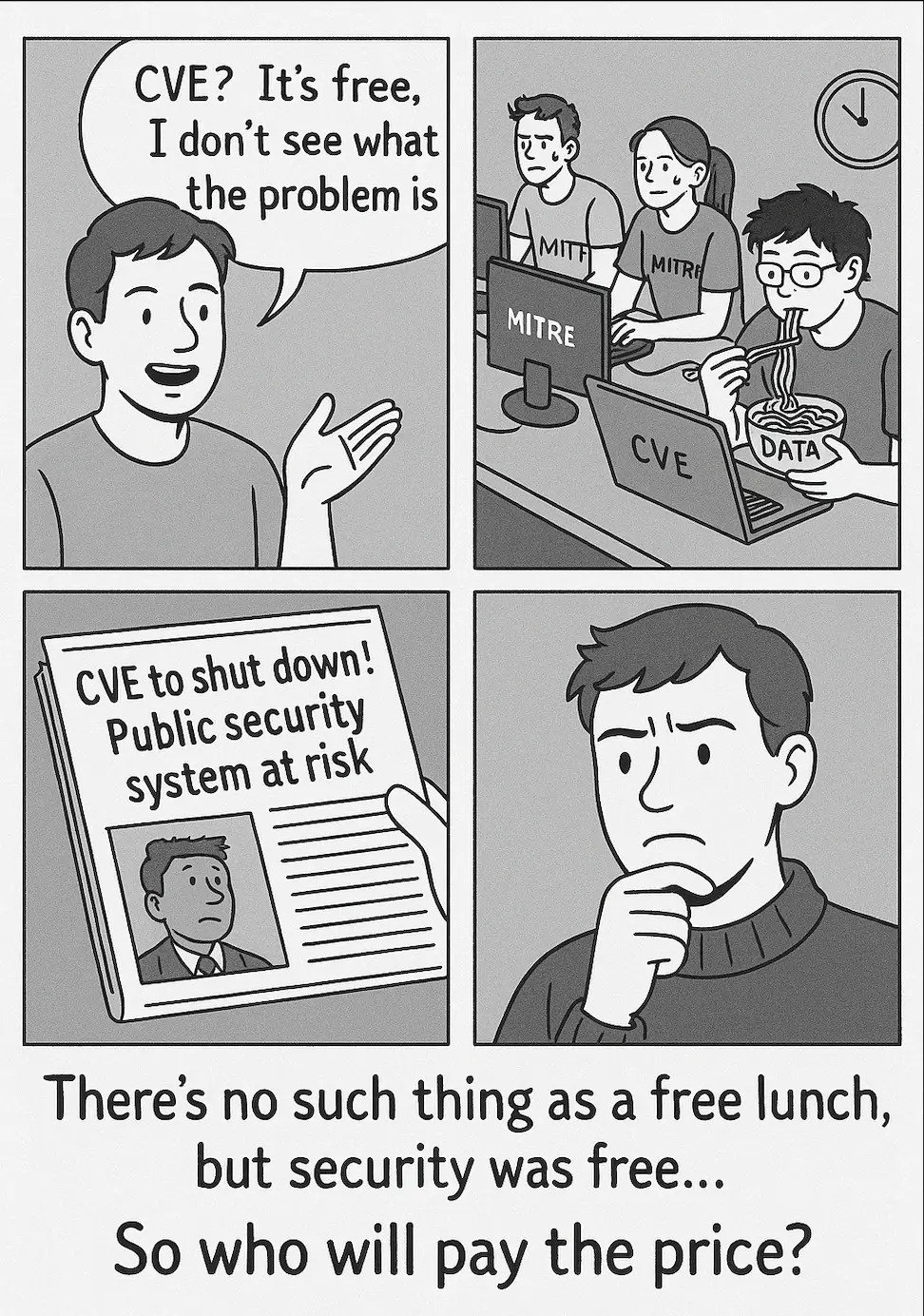
The global security community has depended on CVE for decades without ever paying a dime. As the system nears collapse, it’s time to ask who should bear the cost of public cybersecurity infrastructure.
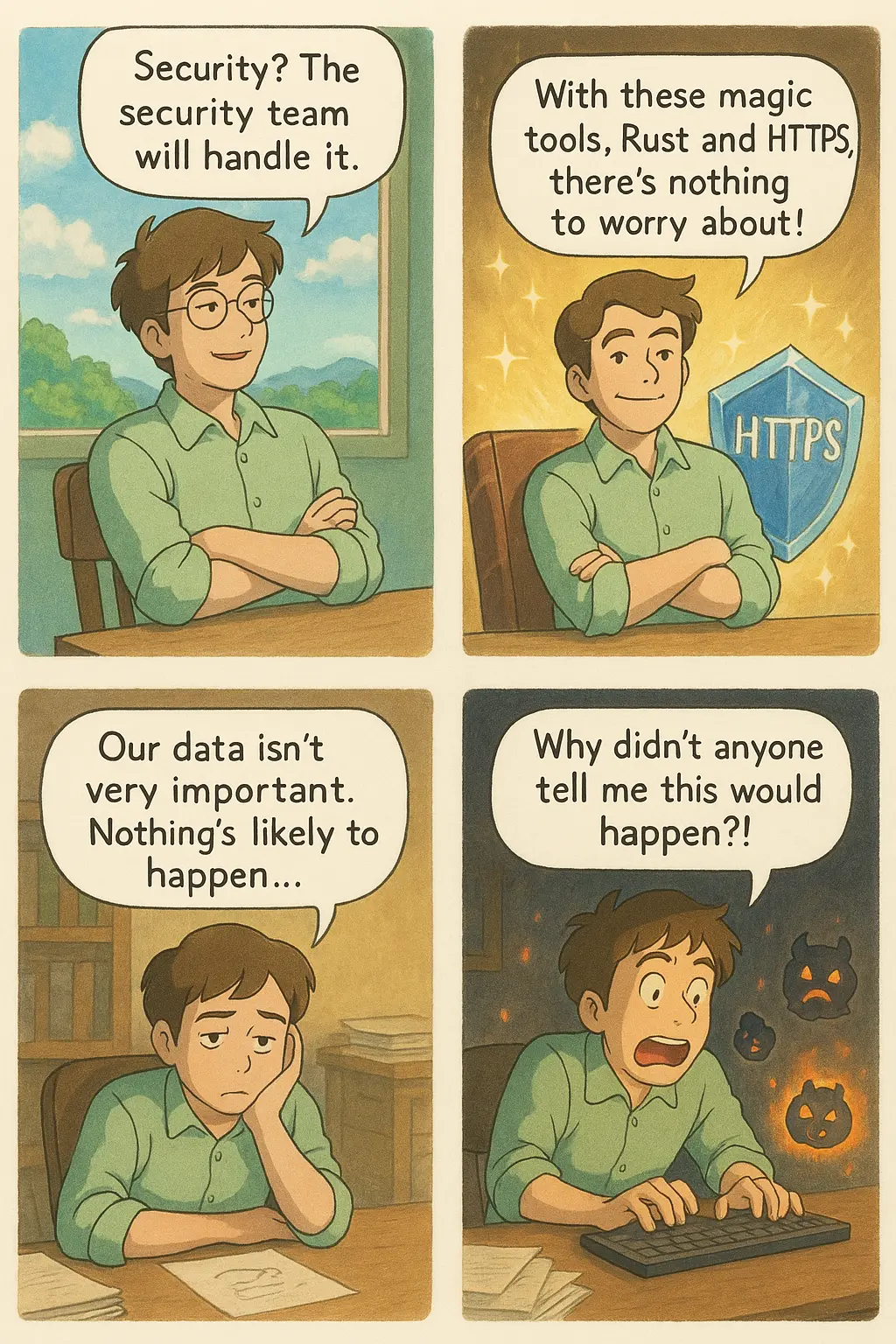
This article breaks down common developer security myths—responsibility deflection, overconfidence in technology, and security underestimation—and offers realistic countermeasures.
Can Development Culture Influence Security Levels? Evaluating Code Quality and Security Levels Using Static Analysis Tools (Joern) Background Unlike companies like Google with an open and collaborative development culture, in some organizations that lack such culture, the quality of the code, including security levels, can be heavily influenced by the individual’s capability. In particular, developers who tend to write poor quality code, such as using the strcpy function, can have their code quality and security levels assessed by utilizing static analysis tools (Joern, CodeQL, etc.) with custom rules. As a result, even in situations where the development culture is lacking, code quality and security levels can be improved, leading to the production of good-quality code. ...