





Representative Foreword

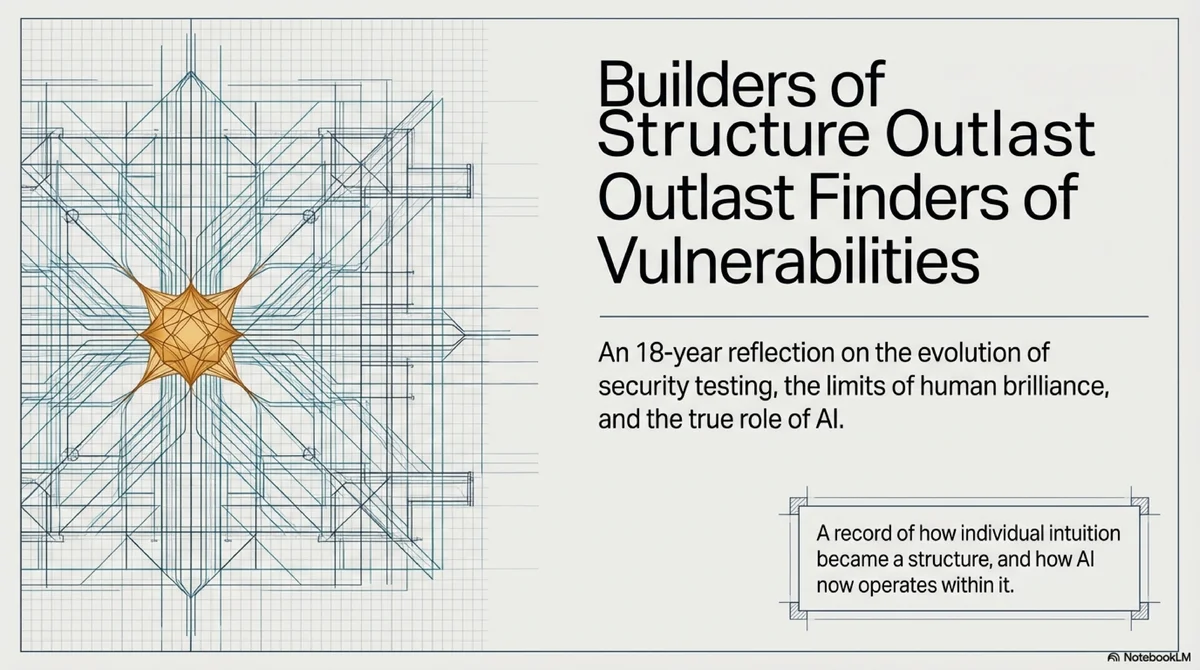
After the Code, the Structure Remains

The representative foreword of this blog: security now fails less at finding issues than at absorbing, sustaining, and acting on what has already been found.

This essay frames the entire site first. The posts on technical analysis, method, and governance all start from this same problem statement.

After the Code, the Structure Remains

Detection, Method, Governance

🔥 A Mind That Dissects Systems

🔥 Trust and Culture Beyond Technology

🔥 Code That Fixes, Not Just Runs

A Critical Reading of Structural Ethics in Cybersecurity Policy: Korea's 2025 Whole-of-Government Information Protection Plan

A reading of Korea’s 2025 whole-of-government information protection plan through the structural parallel between the Nightingale myth and the white-hacker discourse. Policy is moving from dependence on individual ethics toward structural accountability, but the transition is not complete.

May 24, 2026 · 15 min · 2991 words

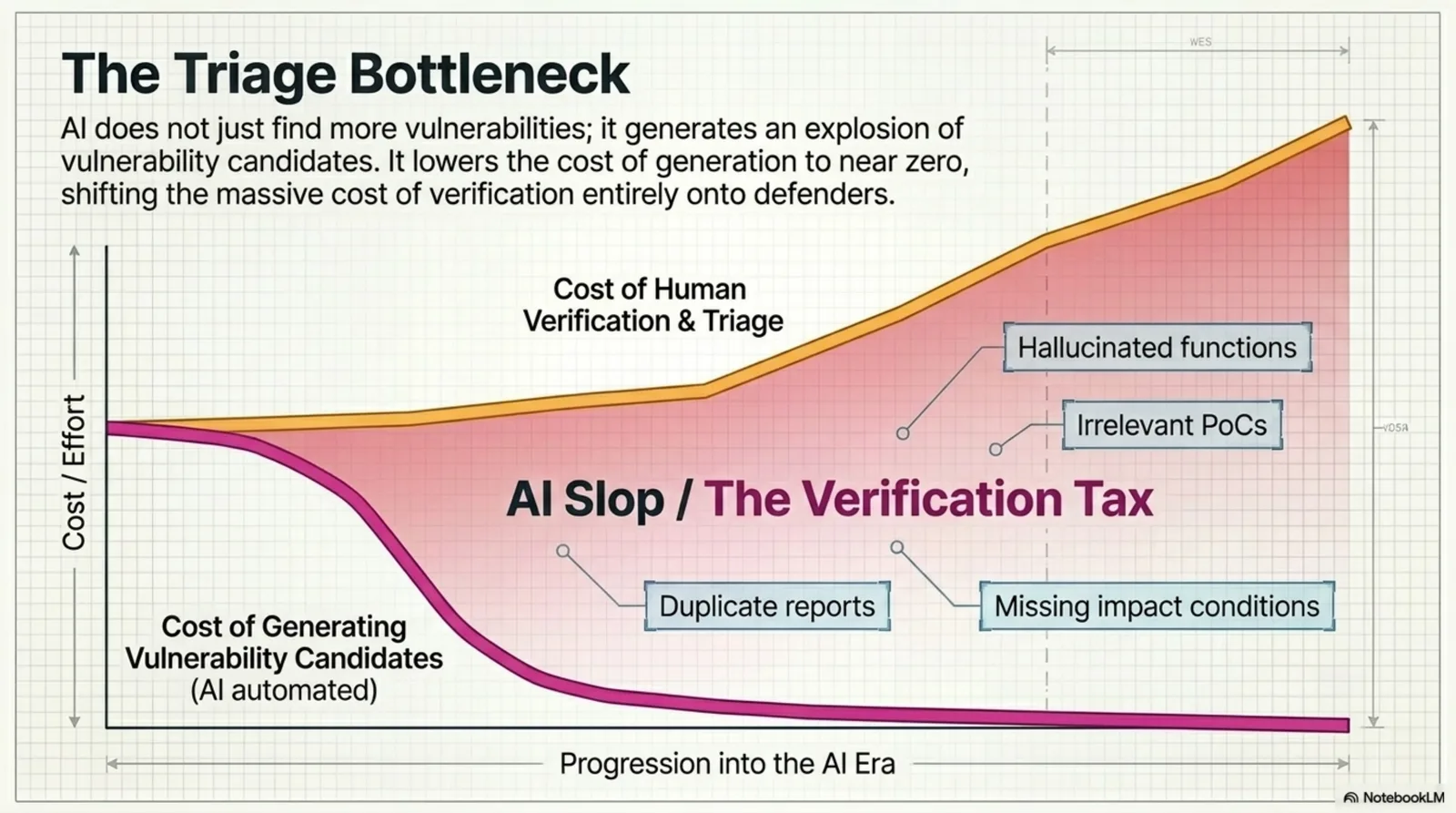
The Moment AI Truly Becomes New: Not When It Finds the Answer, but When It Rewrites the Problem

Through the Nightingale myth, the white-hacker discourse, the Sterbenz lemma, and browser exploit reasoning, this essay argues that the real change LLMs bring lies not in knowledge retrieval but in problem reframing.

May 24, 2026 · 19 min · 3933 words

Can the Market Move Governance?

Policy is not the only thing that creates change. Once external actors — insurers, customers, supply chains, evaluation services, security SaaS — start pricing the cost, governance eventually follows.

May 7, 2026 · 6 min · 1085 words

How Do We Measure Adaptive Capability?

To move from compliance capability to adaptive capability, what do we measure? This post proposes MTTA, MTTP, MTRS, and a minimal execution template for the field.

May 4, 2026 · 6 min · 1073 words

Why Korean Security Governance Does Not Change

A game-theoretic analysis of why Korean security governance stays stuck when NIS, KISA, the Board of Audit, the security industry, CISOs, and policy agencies are each acting rationally.

April 30, 2026 · 7 min · 1352 words

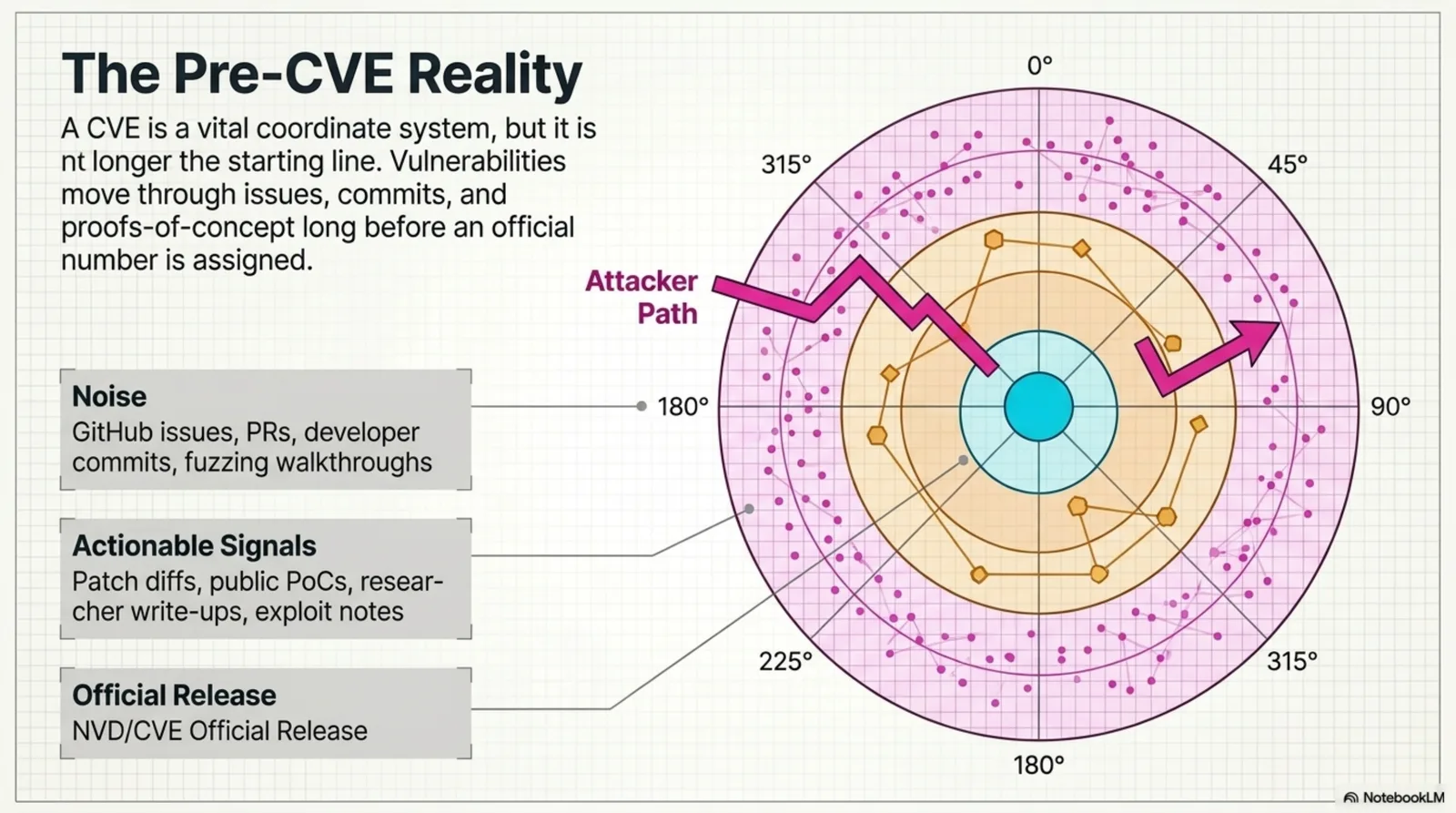
Beyond CVE Response: AI-Era Vulnerabilities Move Before They Get Numbers

AI-era vulnerability response cannot wait for a CVE number. Pre-CVE signals such as issues, commits, PoCs, write-ups, and patch traces now have to be mapped against internal exposure earlier.

April 29, 2026 · 7 min · 1451 words

Korean Security Governance Is Accelerating in the Wrong Direction in the AI Era

Korean security governance in the AI era needs to change not the title of any one agency, but the behavior that evaluation rewards.

April 26, 2026 · 12 min · 2436 words

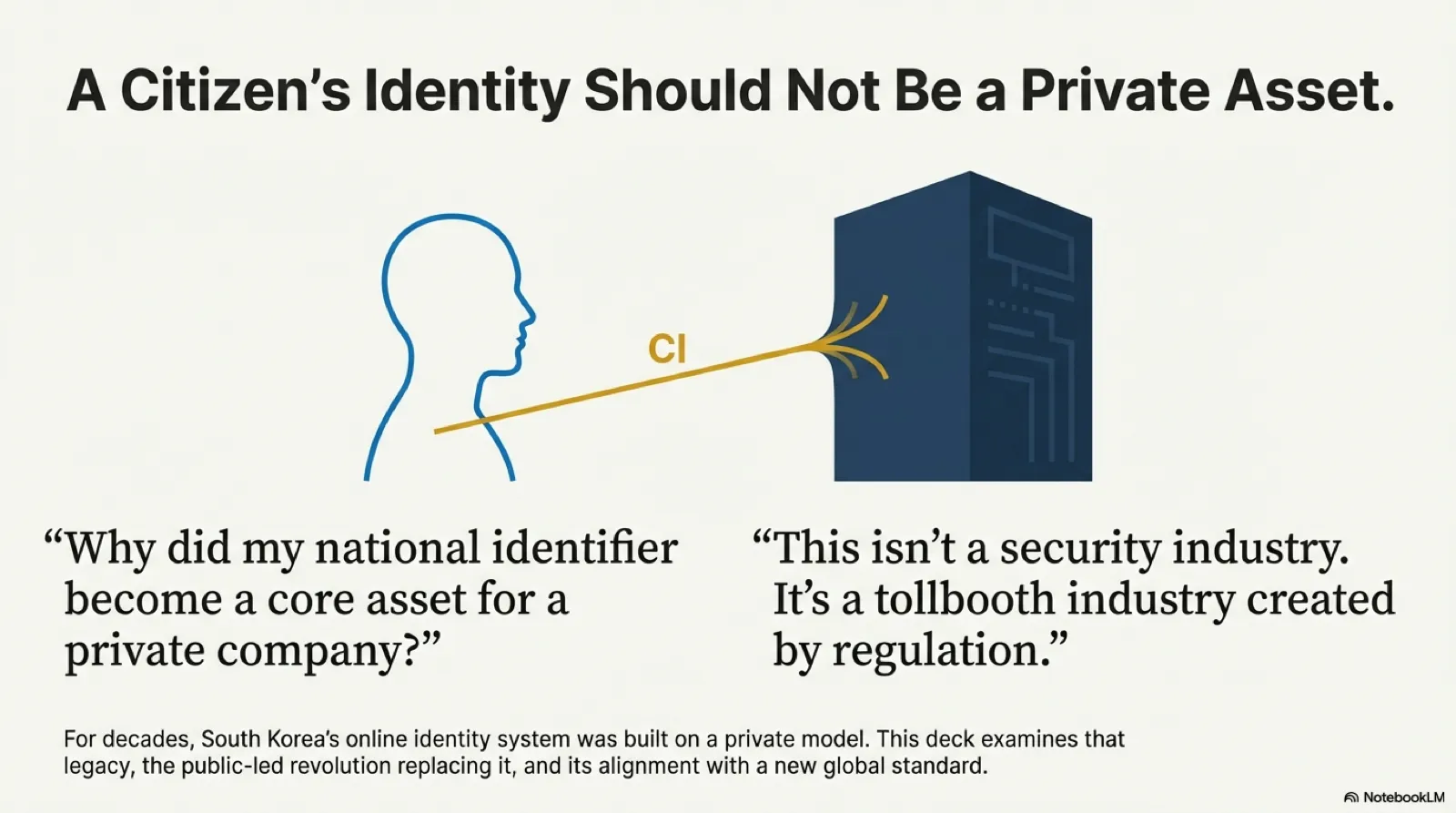
eIDAS 2.0 vs. Korea’s Digital Identity System: A Comparative Analysis

Comparative analysis of EU eIDAS 2.0 wallet-based identity and Korea’s mobile ID system across governance, privacy, and operations.

January 19, 2026 · 8 min · 1657 words

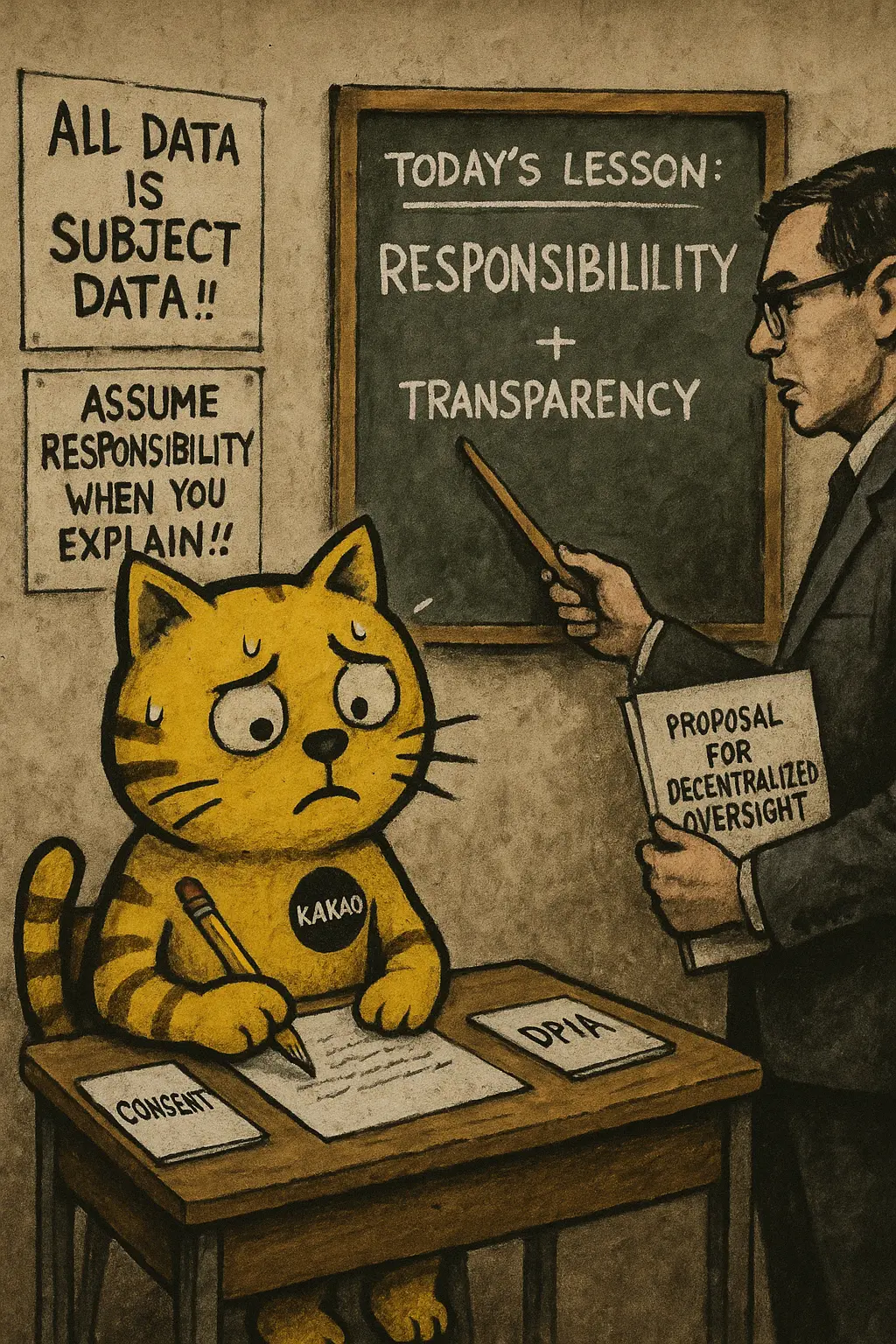
Is Your Data in the Cat's Paws?

Analysis of the 2025 KakaoPay breach exposing 40M users’ data, and why formal consent fails without AI-based DPIA and civic oversight.

April 21, 2025 · 6 min · 1156 words

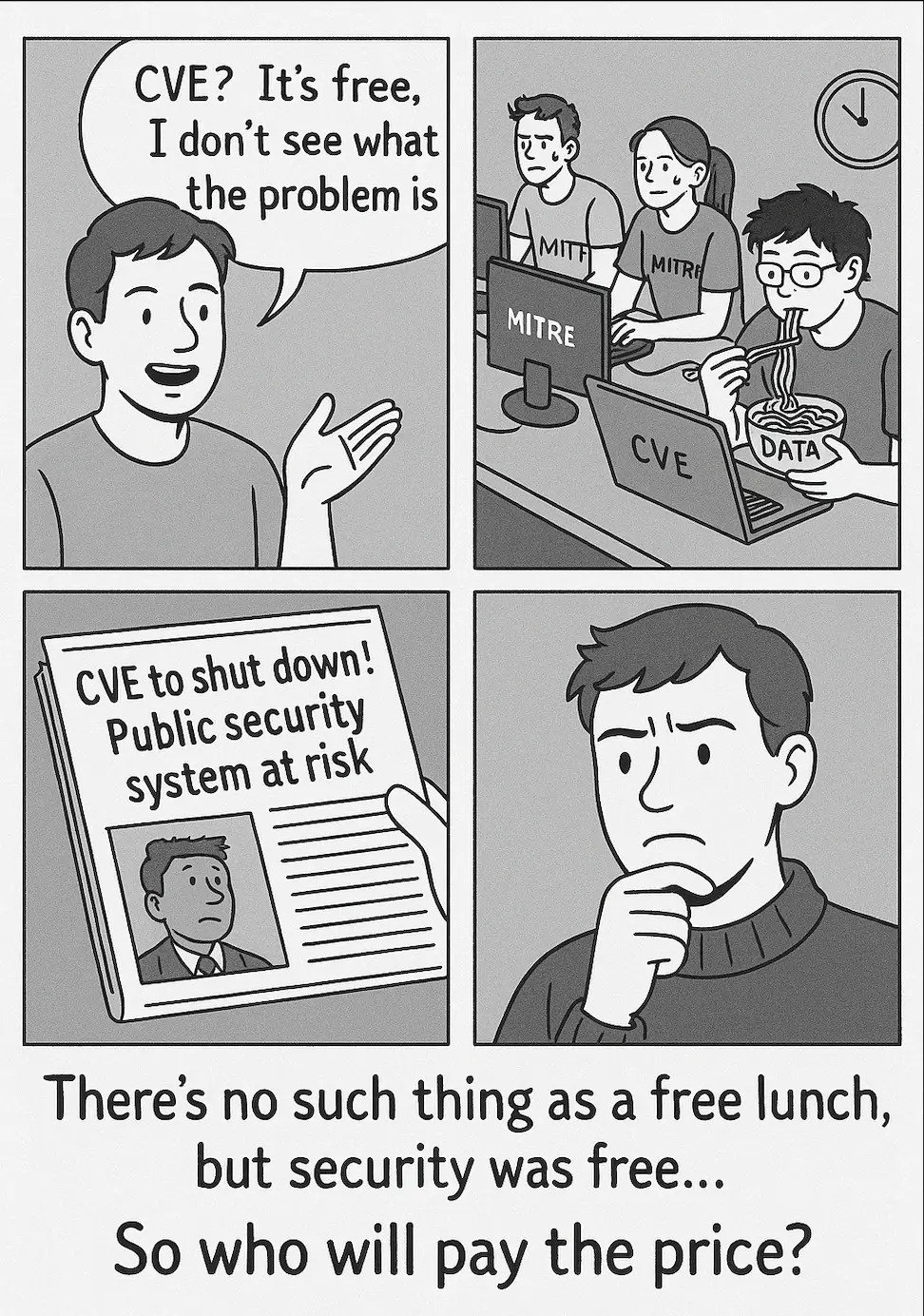
There’s No Such Thing as a Free Lunch, But Security Was Free

The CVE system nearly collapsed in 2025. Who should fund public cybersecurity infrastructure when free-riding is no longer sustainable?

April 17, 2025 · 3 min · 478 words